



In recent years, many in the U.S. strategic community have speculated that Mainland China might take action to resolve the Taiwan issue around 2027, with a minority suggesting 2030. Based on what I understand, China’s central government has an unwavering determination to resolve the Taiwan question. Peaceful reunification remains the preferred approach, but preparations for the use of force are also being taken seriously—though no specific timetable has been set.
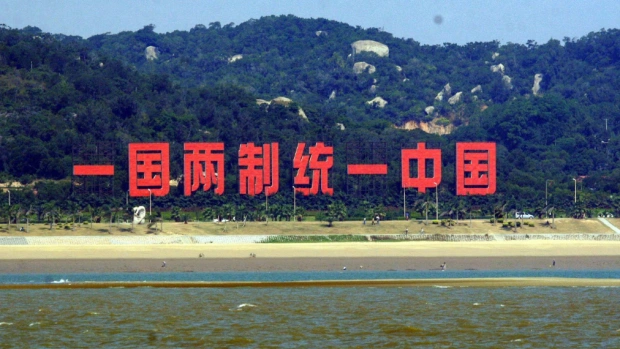
By not announcing a timetable, China retains a degree of strategic flexibility and avoids putting itself in a passive position. If a timetable were made public, both external intervention forces and the authorities in Taiwan would make corresponding preparations, which would ultimately undermine efforts to resolve the Taiwan issue. In my view, although there is no public timeline, reunification could happen at any time. From this perspective, the absence of a timetable is even more unsettling—it could happen in ten years or in two to three years, making it difficult for Taiwan and foreign actors to anticipate or respond. This is a shrewd strategy adopted by China’s central government.
If that’s the case, why does the U.S. strategic community remain convinced that the People’s Liberation Army (PLA) will take action in 2027? There may be two reasons.
First, some analysts are making what they believe to be educated guesses based on existing information. One major point they cite is that the PLA is expected to achieve its centenary goals by 2027. What exactly these goals entail is unclear, but U.S. analysts speculate that they include attaining the military capability to reunify Taiwan by force. According to their calculations, by 2027 the aircraft carrier Fujian will be combat-ready, and China’s other naval and air assets will be strong enough to deter the so-called Taiwan independence movement and any external intervention. They believe the PLA will hold overwhelming superiority in the Western Pacific by that time, making 2027 a plausible date for action.
Second, some actors, especially within the U.S. military—are deliberately amplifying the so-called China threat in order to secure more defense funding. Exaggerating the timeline also allows them to intimidate U.S. allies and rally them more closely around Washington’s strategic leadership.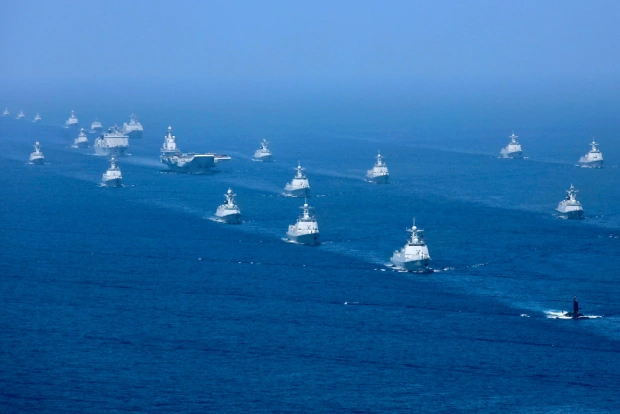
Since China’s central government has not set a timetable, any speculation about specific dates for resolving the Taiwan issue remains just that—speculation. But one thing is certain: China is making solid and methodical preparations for national reunification. The determination of China’s central government in this regard is steadfast, and it will not change regardless of the circumstances. The exact timing and method of reunification will continue to be adjusted dynamically in response to evolving conditions.
Since Lai Ching-te took office, the authorities on the island have ramped up what some have described as a campaign of so-called green terror, cracking down on numerous individuals and making life increasingly difficult for those who support reunification. Recently, I’ve noticed that some pro-reunification figures within Taiwan have grown anxious and are hoping that the PLA will liberate the island sooner rather than later. Many netizens on the Mainland also appear impatient, feeling that although reunification has been emphasized for some time, there hasn’t yet been significant movement.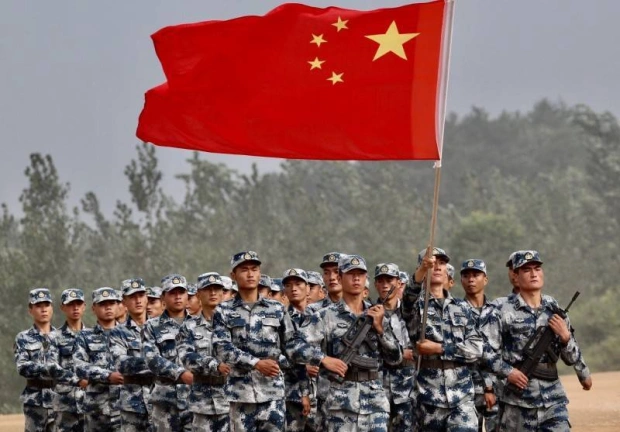
These feelings are completely understandable. However, resolving the Taiwan issue will require time and tremendous effort. It’s not something that can be achieved simply by posting opinions online or venting emotions on social media. China’s central government remains fully committed to the goal of national reunification, and relevant preparations are actively underway. In terms of military capability, China has a clear advantage over the Taiwan military and external actors. In terms of military capability, China has a clear advantage over the Taiwan military and external actors. If the United States dares to intervene militarily in what many in China view as the final battle of the Civil War, a war that will only be truly concluded when Taiwan is reunified—it could lead to the loss of America’s global hegemonic status. In other words, direct U.S. military involvement in a cross-Strait conflict carries the risk of triggering a strategic failure that could severely undermine its position as a global superpower.
That said, many other critical issues still need to be addressed with even greater urgency. For example, China’s economy remains highly dependent on foreign resources and energy, so we must improve our strategic reserves and seek alternative sources. We are also highly dependent on external markets. If conflict were to break out across the Taiwan Strait, many businesses would be forced to halt operations, leading to widespread unemployment. High unemployment, in turn, could trigger domestic instability. In addition, cross-Strait exchanges have been ongoing for nearly four decades, and during that time, various interest groups have developed their own stakes in maintaining the status quo. We must find ways to address their concerns and help mitigate their potential losses.
Therefore, a complete resolution of the Taiwan issue requires us to overcome and manage a wide range of complex challenges. The importance, complexity, and difficulty of the Taiwan question demand that Mainland China remain resolute in its confidence and carefully address all potential weaknesses and risks. The Taiwan issue will not be passed down from generation to generation. We will live to see the day of national reunification. The people of China can have full confidence in the central government.
Editor: LQQ

方腾波
China’s strategy to not releasing a time table is smart. I agree that the reunification process should be peaceful and a long term plan. But in the mean time, Chinese people at both sides of the Taiwan street are getting impatient and desillusioned.
China should support the people in Taiwan who are striving for reunification. These people are procecuted, demonised and insulted by the current Taiwan government and the media. China, please help and support these courageous people !