


China, North Korea open new Yalu River bridge after 12-year delay
China and North Korea have opened a new bridge across the Yalu River, linking the Chinese border city of Dandong with Sinuiju in North Korea. It’s a major new route for trade between the two neighbors. The bridge was completed back in 2014 but then sat unused for 12 years.
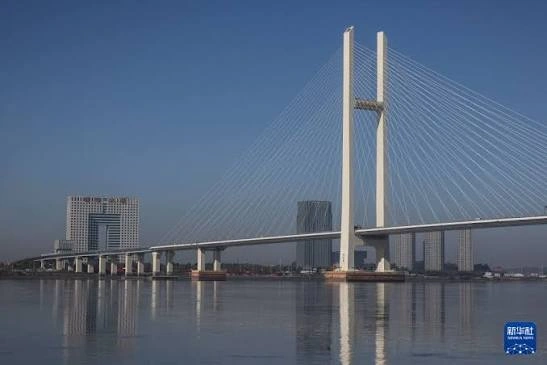
Stretching about three kilometers, the bridge has four lanes for two-way traffic. Its 28.5-meter-wide deck also provides enough clearance for vessels in the 3,000-ton class to pass underneath.
Until now, most cross-border traffic has relied on the old Sino-Korean Friendship Bridge. It carries both road and rail traffic, but its road section is restricted to trucks under 20 tons, and vehicles can cross in only one direction at a time. The new bridge removes those constraints, giving trucks a much more direct way to move goods across the border.
That matters because Dandong is China’s largest border trade port with North Korea, and China remains North Korea’s biggest trading partner. Bilateral trade has recovered in recent years, and a more efficient crossing could make it easier to transport construction materials, machinery, and other goods.
But why did a bridge built in 2014 take another 12 years to open?
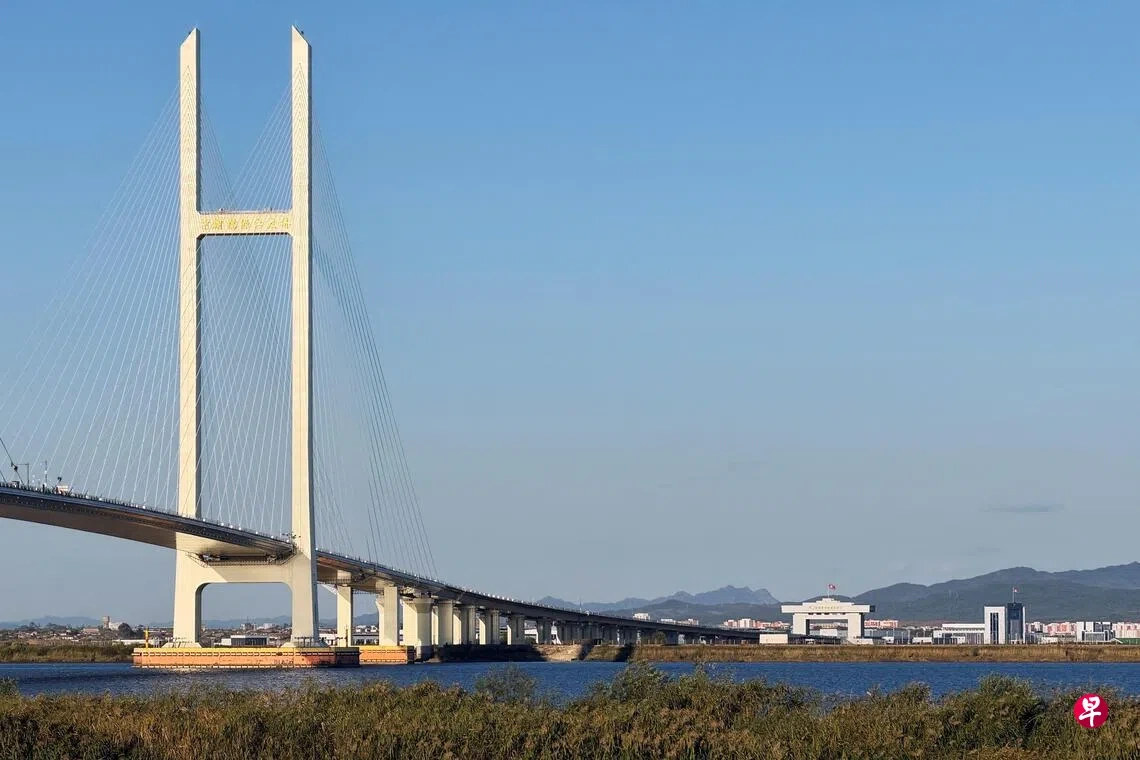
The main obstacle was on the North Korean side, where the connecting roads and customs facilities remained unfinished. Analysts have also pointed to Pyongyang’s concerns about opening the border further. Better transport links mean more than faster freight. They can also bring more people across the border and deepen commercial ties with China. For North Korea, that makes connectivity a political and economic question, not just a logistical one.
When the bridge finally opened on October 15, trucks began crossing in both directions. Shen Qingsong, who has worked in China–North Korea trade in Dandong for 30 years, put the difference in practical terms. On the old bridge, traffic could move in only one direction at a time. With the new four-lane crossing, he expects trucks to be able to make two round trips a day.
For traders who have spent years working around the old bridge’s limits, that could mean less waiting, lower transport costs, and more goods moving across the Yalu River.