


On September 3, Beijing’s Tiananmen Square hosted a grand military parade commemorating the 80th anniversary of victory in the Chinese People’s War of Resistance Against Japan and the global fight against fascism.
The event showcased China’s consistent pursuit of peace, the development of the People’s Liberation Army, and its world-class advanced weaponry.
Debut of New Forces
The Space Force, Cyberspace Force, and Information Support Force made their debut as new additions to the military.
The weapons formations, divided into eight sections, highlighted the Chinese military’s main active equipment. Official Chinese commentary emphasized that the weapons had been modified to meet the demands of modern warfare.
Cutting-Edge Weaponry
Particularly noteworthy were three aspects:
First, the air defense and missile defense troops displayed a counter-drone combat group, capable of neutralizing and even destroying drones.

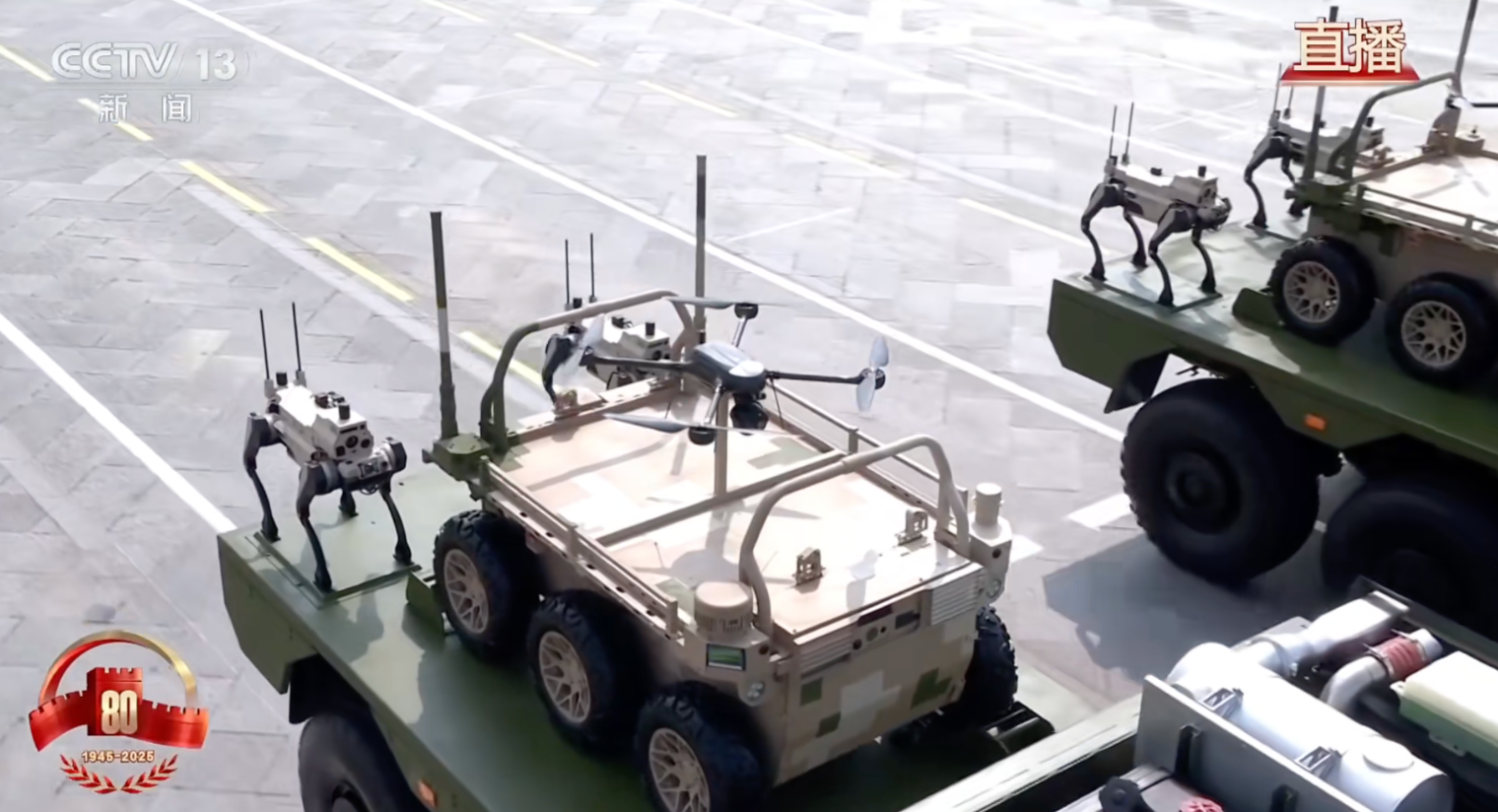
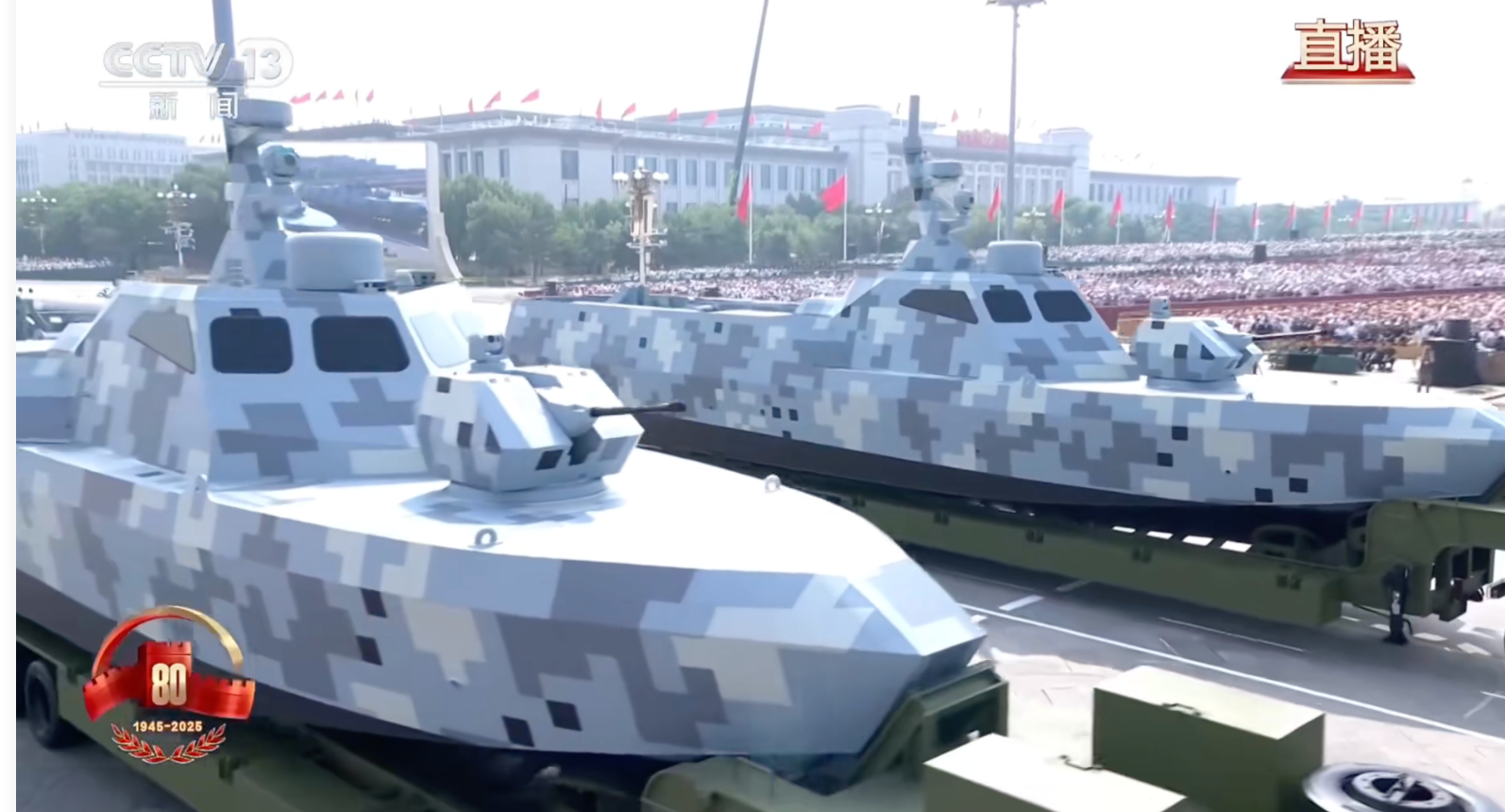
Second, the parade presented a systematized display of China’s unmanned combat groups across land, sea, and air. The army’s mine-clearing and explosive-disposal unmanned vehicles, the navy’s unmanned submarines, and the air force’s reconnaissance-strike integrated UAVs all received close-up shots.
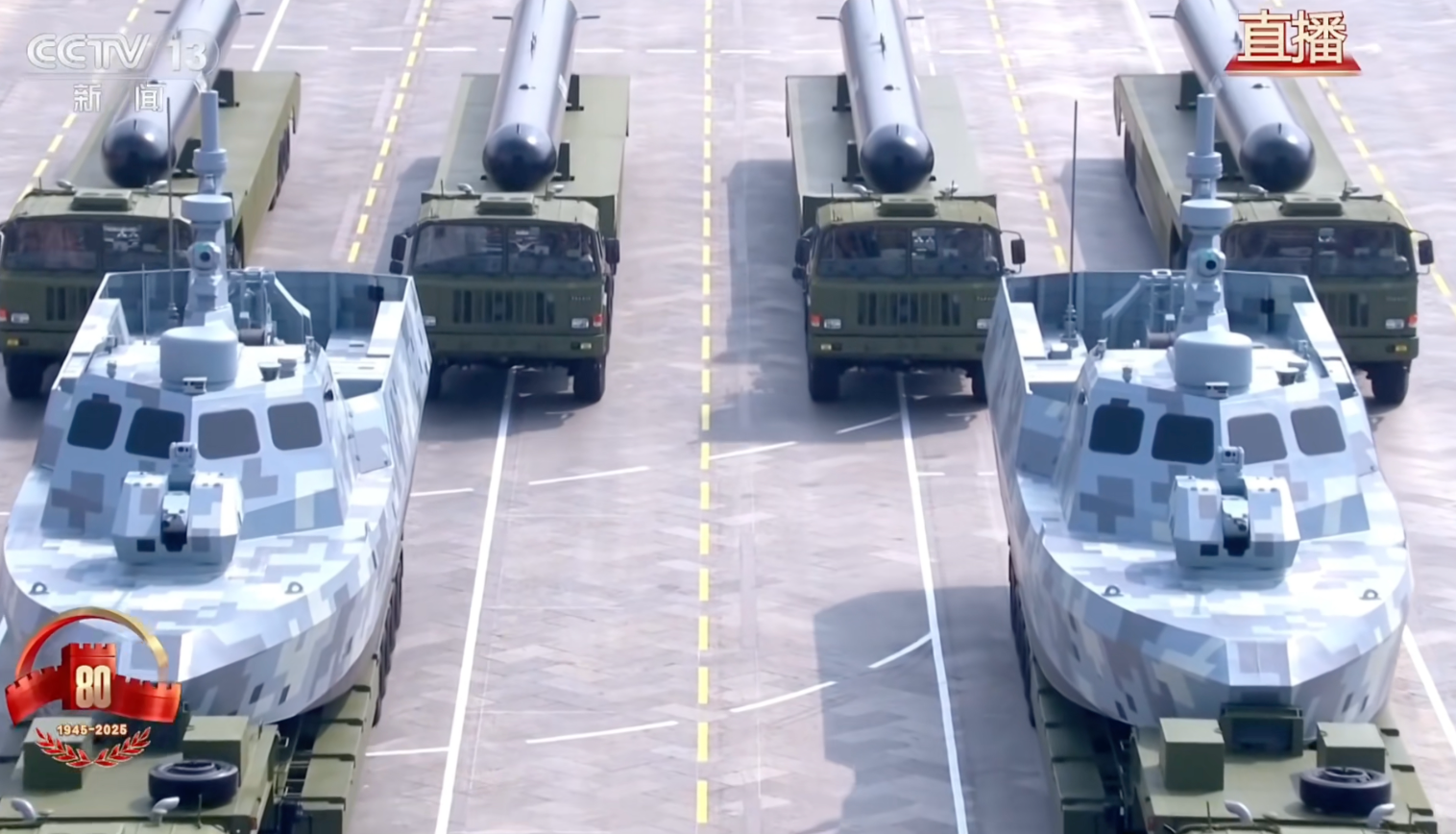
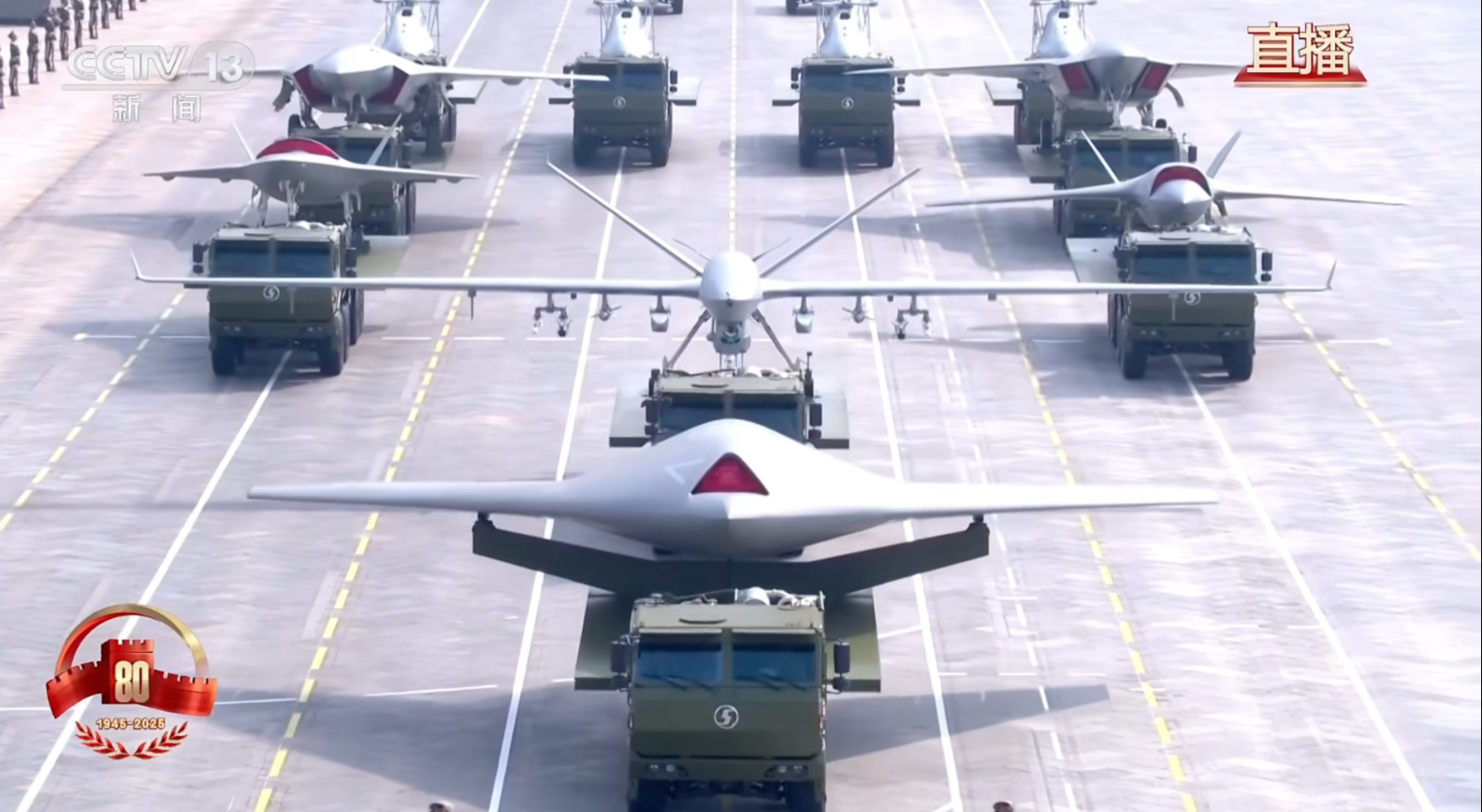
Third, for the first time, China’s triad of land-, sea-, and air-based strategic nuclear forces was showcased. The official commentary highlighted the DF-5C liquid-fueled intercontinental nuclear strategic missile, with a strike range covering the entire globe.
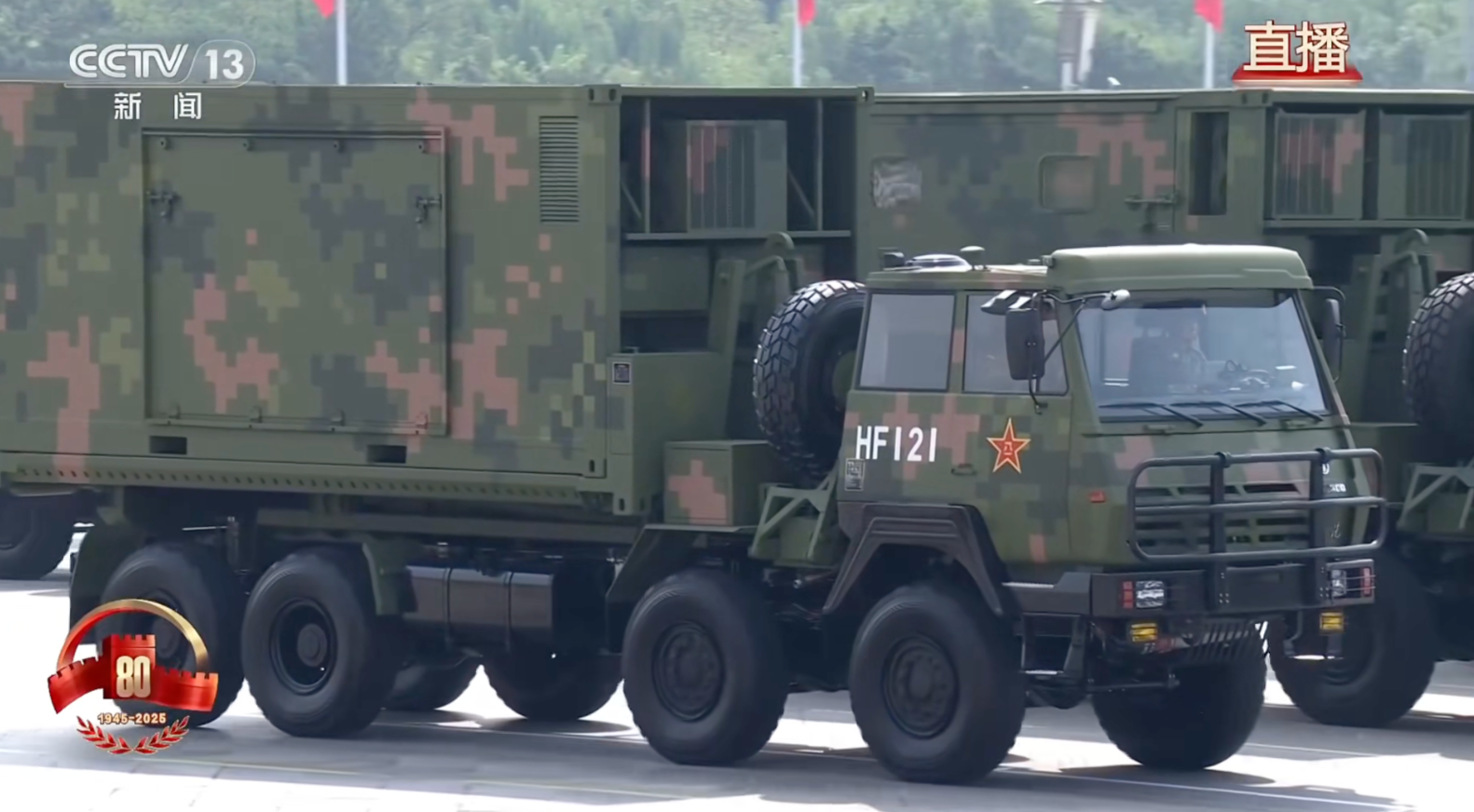
One distinctive feature caught people’s attention: a hot-food support vehicle with cooking stoves. It seems that the Chinese military goes to great lengths to ensure that soldiers can enjoy fresh Chinese cuisine even on the battlefield.
Political Signal
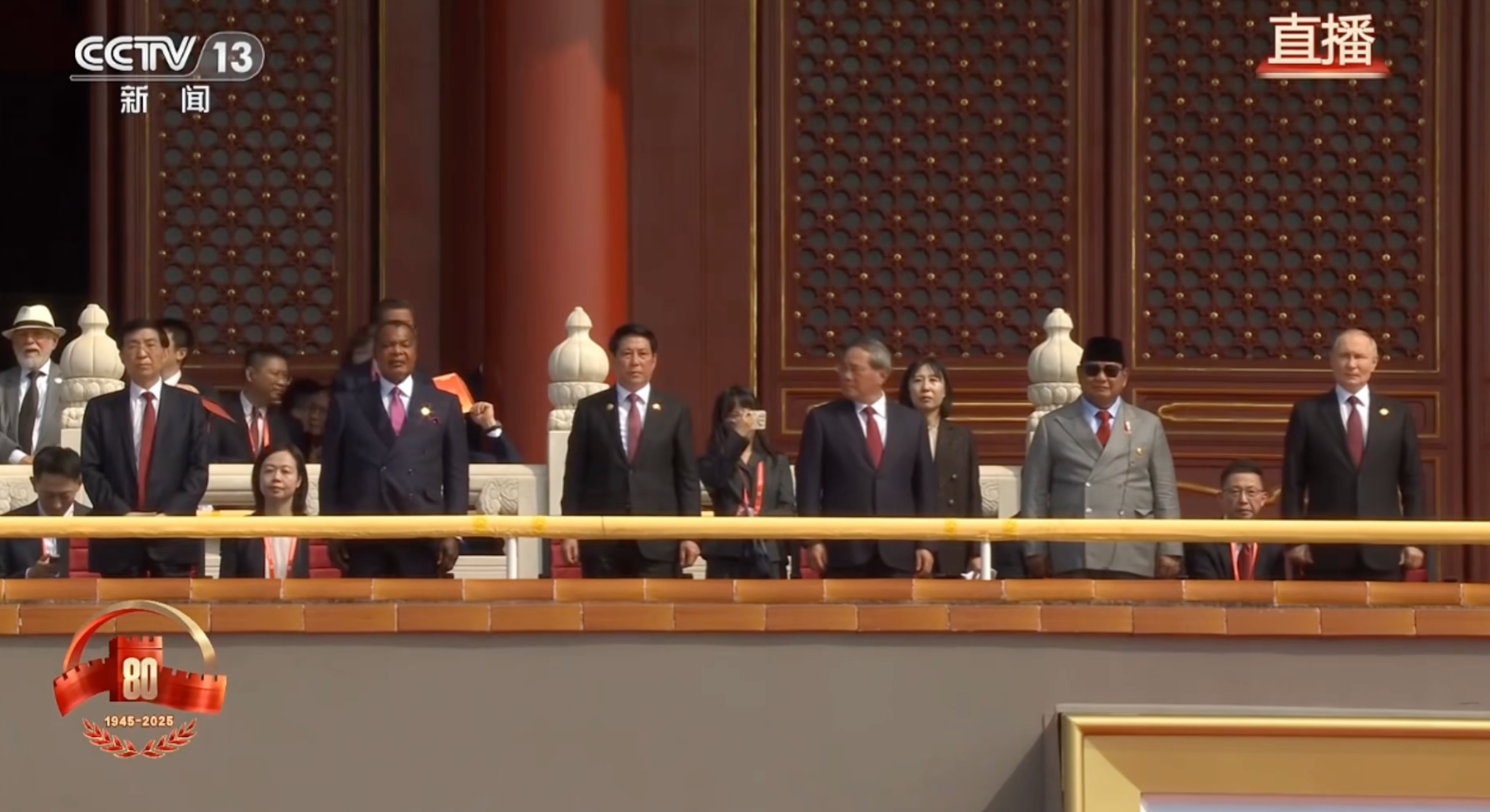
Beyond the military equipment, the spectators at this parade were also a highlight.
During CCTV’s live broadcast, close-up shots were given to Putin, Kim Jong-un, former Kuomintang chairwoman Hung Hsiu-chu, and respiratory disease expert Zhong Nanshan.
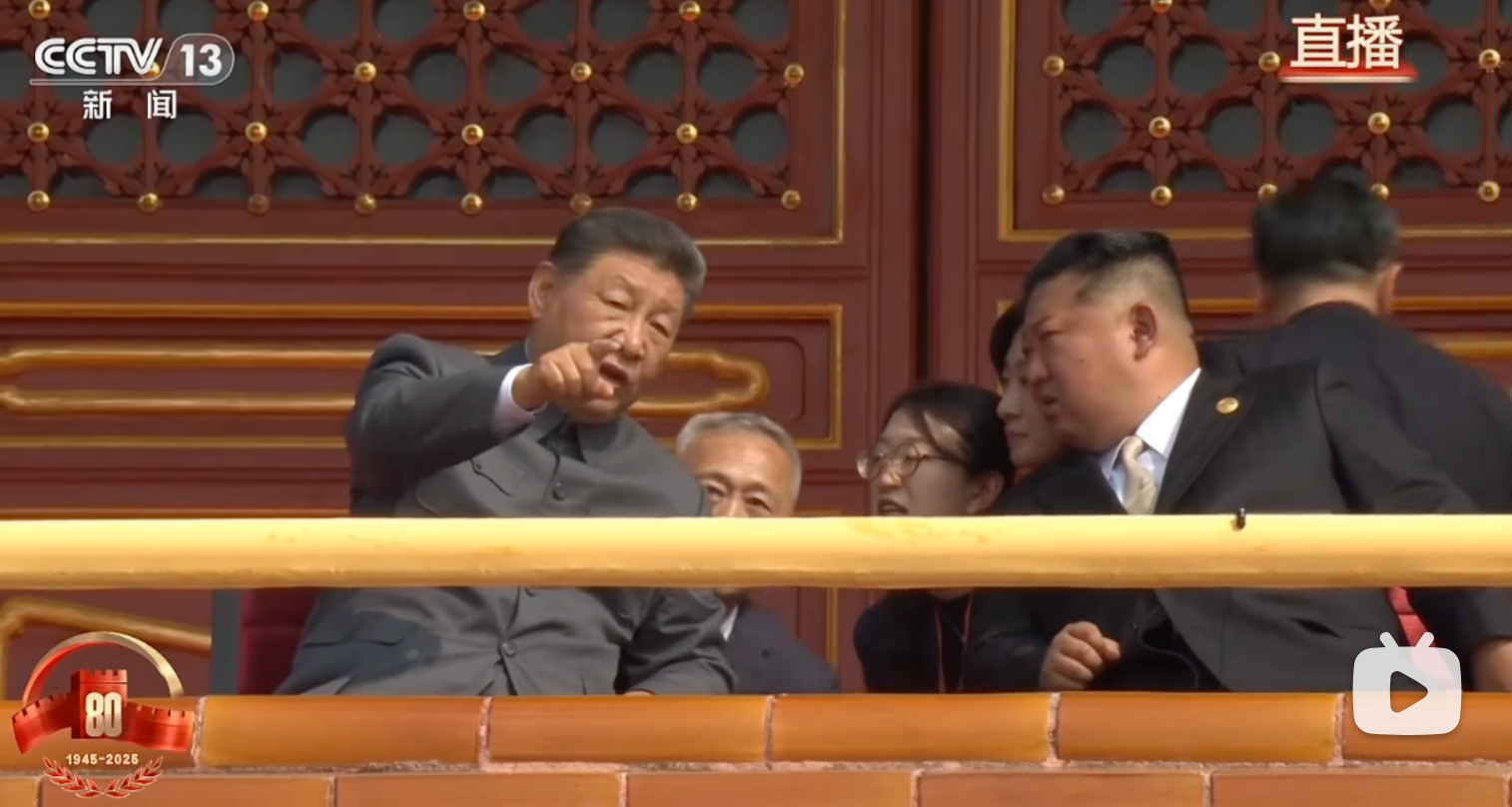
Even before the official list of foreign leaders in attendance was released, the event had already drawn global commentary, with many seeing it as a reflection of China’s foreign relations.
Russian President Vladimir Putin’s unusually long visit attracted special notice. From August 31 to September 3, he not only watched the parade but also attended the Shanghai Cooperation Organization summit in Tianjin. By contrast, Indian Prime Minister Narendra Modi only took part in the SCO summit. Analysts suggested that New Delhi sought to cool its engagement with Beijing following a recent thaw in relations.
Also drawing attention was the appearance of former Japanese Prime Minister Yukio Hatoyama. The 79-year-old Hatoyama, who once knelt in mourning for victims of the Nanjing Massacre and bowed at an anti-Japanese memorial in South Korea, has long been branded a “traitor” by Japan’s right wing. His visit to China this time triggered a backlash at home, with critics even calling for his passport to be revoked.
Shen Yi, a well-known Chinese professor of international relations, remarked: “Who respects history, and who betrays history? The guest list makes that crystal clear.”
Hu Xijin, a prominent commentator and former editor-in-chief of the Global Times, said: “When will Japanese leaders attend Asia’s largest WWII commemoration at Tiananmen Square with dignity, openly reflecting on the crimes of wartime militarism? Only then will they truly move forward.”
Editor: Zhongxiaowen