


While The Odyssey Opened Big, Two Chinese Films Quietly Stole the Box Office
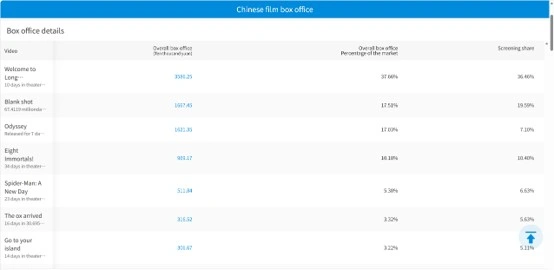
China’s box office has recently produced a surprising dark horse: Once Upon a Time in the Middle East.
Released around the same time as the Hollywood blockbuster The Odyssey, the Chinese film has managed to break out through unexpectedly strong word of mouth and box-office performance.
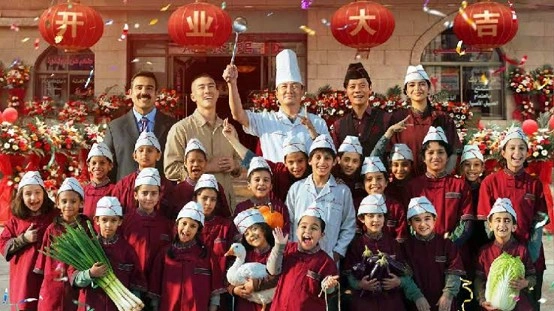
The story follows a Chinese chef named Xu Fu.
Trying to support his family and pay off his debts, he travels to the Middle East and takes a job at a Chinese restaurant called Long Restaurant.
When war breaks out, he gets caught in the fighting and eventually joins local people in protecting children orphaned by the conflict.
But if you expect a conventional war movie, this film may surprise you.
Because Xu Fu is not a hero.
He went to the Middle East to make money. As wars broke out, he repeatedly reminds people that he is Chinese and makes it clear that he wants no part in the conflict
but he and his friends were dragged into the chaos and forced to cook for different forces.
And that is precisely what makes the film interesting.
Instead of turning war into a mission waiting for a hero to complete, it presents war from an outsider perspective. There is no hero, there is no enemy, there are no sides to be picked.
It shows the devastating impact of wars on a country, on ordinary people, especially on children, on the American soldiers and how extremists were created.
One viewer who speaks both English and Persian praised the film for showing sympathy toward ordinary Iraqis and exploring why extremist movements emerge, while also avoiding the idea that every American soldier is a villain.
Instead, it recognizes that some of those young soldiers are themselves caught up in a much larger war machine.
And that distinction matters.
Because when a war movie stops telling you who to hate, it can start asking different questions:
What does war itself do to people?
Why does war happen?
Who decides to fight it?
Who pays the price?
Can third parties really stay out of a war?
What does it mean to win a war?
Can there really be a winner in any war?
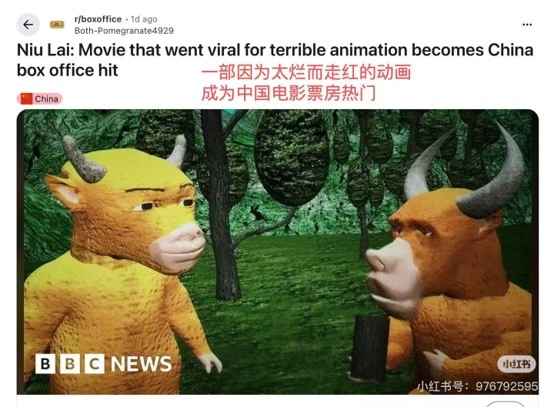
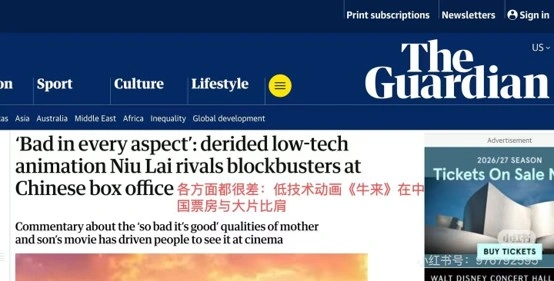
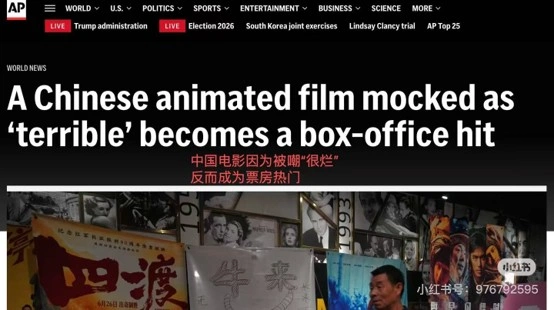
And at almost the opposite end of the spectrum is another Chinese film, Niu Lai.
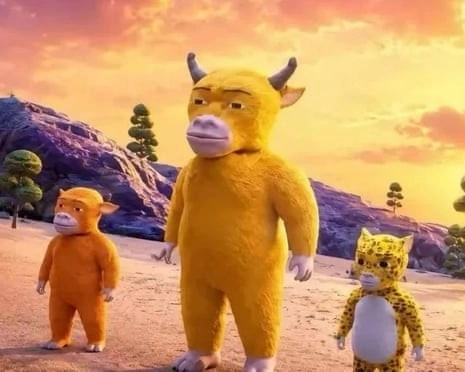
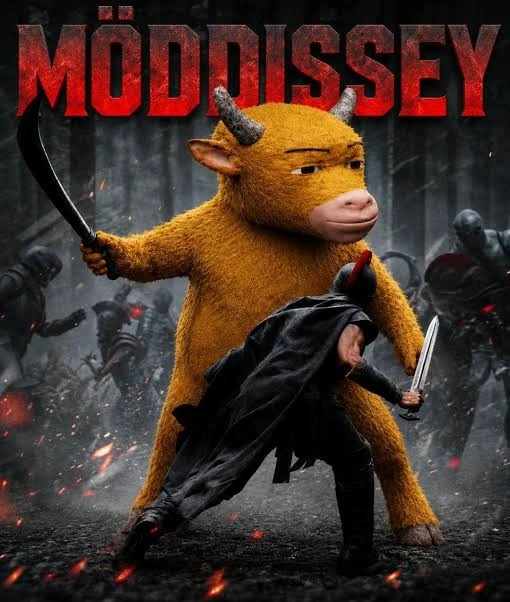
Its unlikely breakout is almost a direct challenge to the logic of the modern film industry.
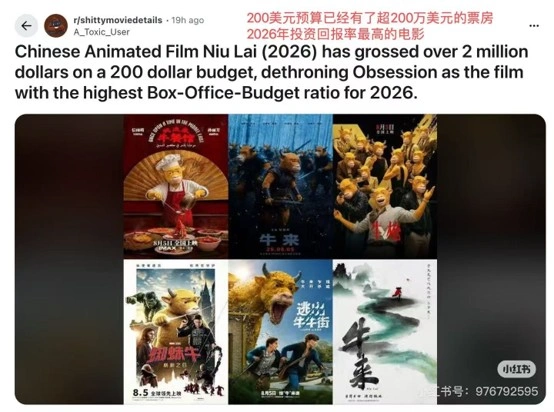
The animated feature reportedly cost just 20,000 yuan — roughly $2,800 — to make.
And the core creative team consisted of just two people: director Xin Yumeng and her mother, who is in her 60s.
They spent five years creating the film by hand, producing 86 minutes of animation.
The modeling is crude.
The animation can be choppy.
The voice acting is awkward.
Some viewers joked that it looks like a PowerPoint animation from 20 years ago.
But there is something strangely fitting about that in 2026.
At a time when AI can generate polished video at scale, this kind of painstaking, almost stubbornly handmade production has taken on a meaning of its own.
It doesn’t optimize for efficiency.
It doesn’t try to please an algorithm.
In a strange way, it feels almost like an act of resistance against the technology race.
And when the film opened, its prospects looked exactly as you might expect.
On August 5, its first-day box office was just 342 yuan — less than $50.
Then everything changed.
On August 14, viewers began sharing some of the film’s bizarre and unintentionally hilarious scenes online.
People were making fun of the movie — but they were also telling others to go see it.
Everyone wanted to find out for themselves just how bad a movie made in 2026 could possibly look.
And the mockery quickly turned into a meme.
“Handmade animation.”
“A 20,000-yuan challenge against trillion-dollar AI.”
“I could make that too.”
Those jokes spread across Chinese social media.
And suddenly, people weren’t buying tickets simply to watch a movie.
They were buying tickets to take part in an internet phenomenon.
They went to see it, posted their tickets, made memes, created their own content and shared the experience with others.
The movie itself became a kind of social currency — a way of saying:
“I was there. I saw this ridiculous thing happen.”
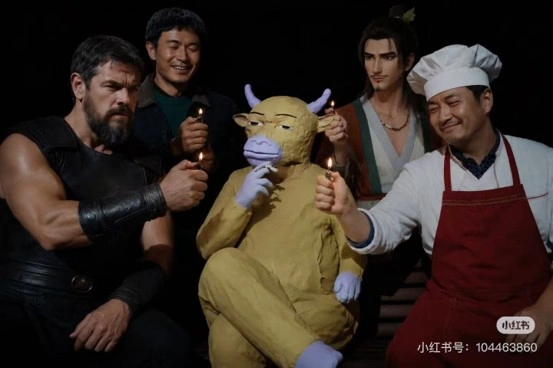
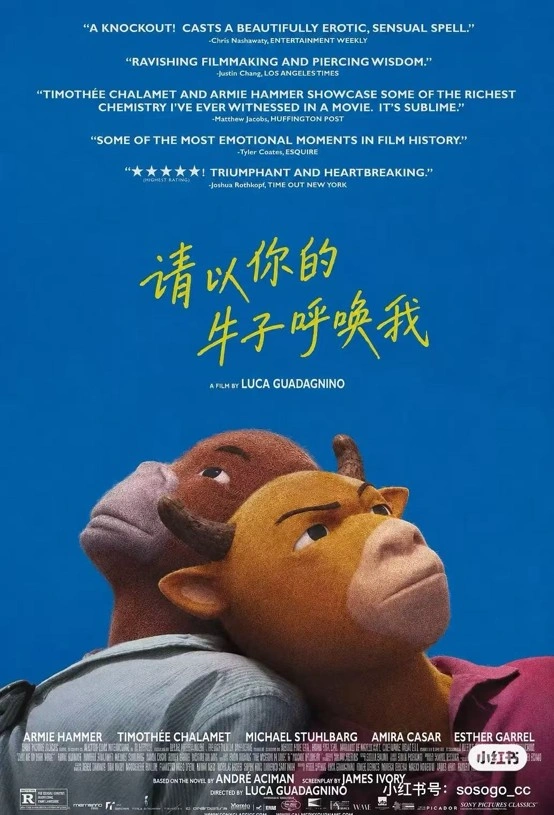
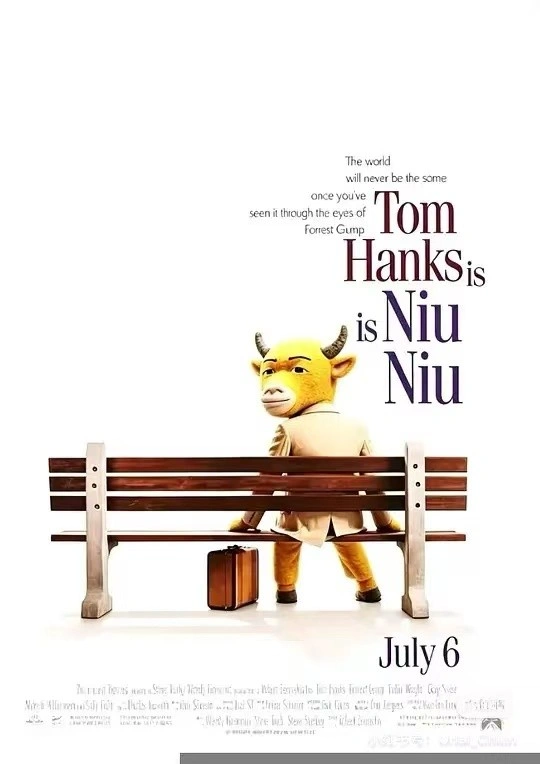
And that online attention quickly translated into box-office numbers.
On August 15, daily box office jumped from around 4,000 yuan to 876,000 yuan.
Screenings increased from just 16 to more than 2,000.
By August 18, the film had passed 20 million yuan in cumulative box office, with platforms projecting that it could eventually cross the 100-million-yuan mark.
While major studios are calculating return on investment, polishing visual effects and carefully planning release dates, audiences themselves have turned a movie that was initially mocked as a “bad film” into a potential box-office hit.
And perhaps the reason is surprisingly simple.
In an age when AI can produce beautiful images by the thousands, people may be becoming more interested in seeing evidence that an actual human being was behind the work.
It can be rough.
It can be absurd.
It can even be objectively bad.
But it is unmistakably human.
And maybe that’s why Niu Lai has connected with audiences in such an unexpected way.
And that’s our four stories of the week. Thank you for watching China Currents and we’ll see you next time.