

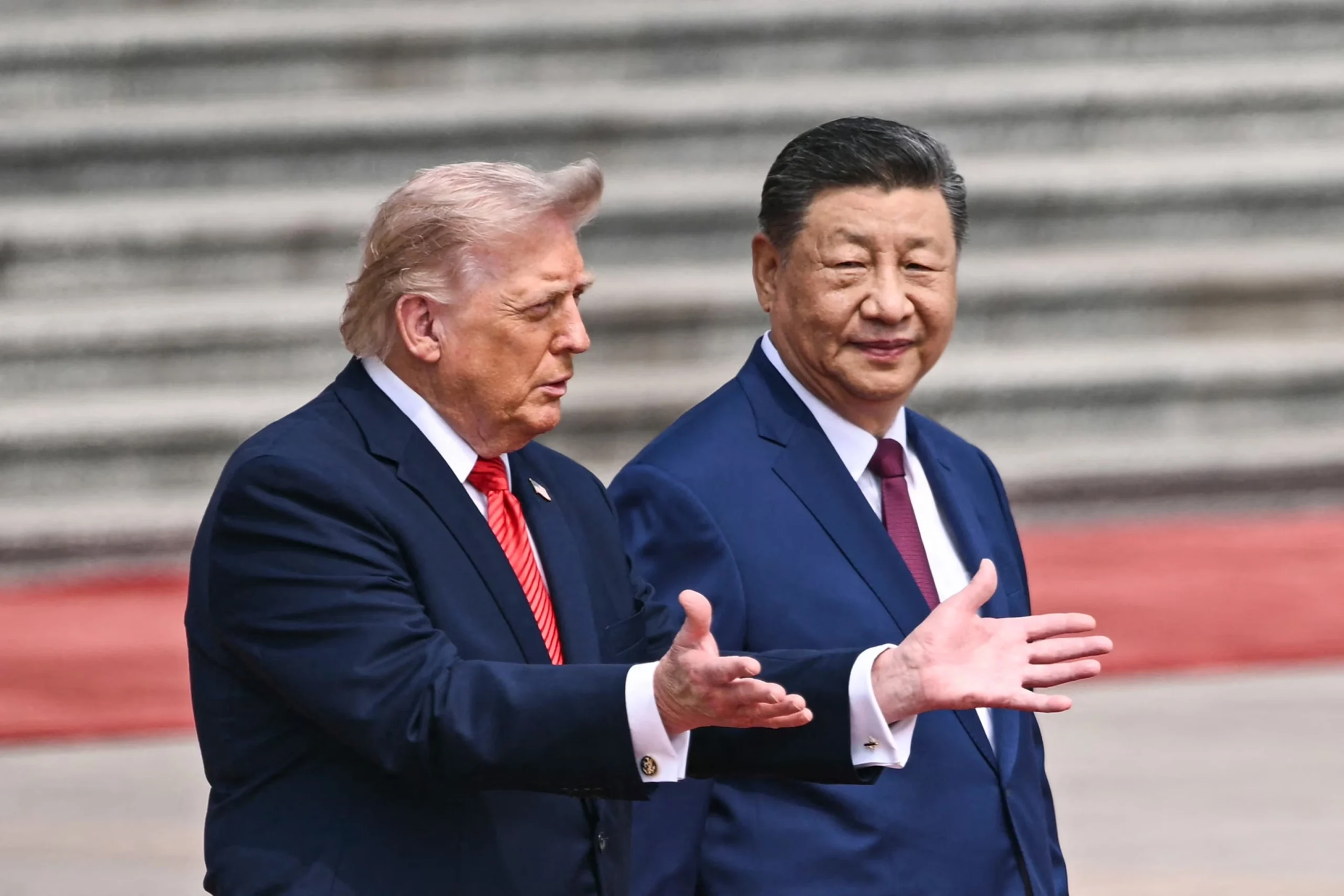
On May 13th, Donald Trump’s plane touched down in Beijing. It was his first state visit to China since 2017 — nine years later. Western media coverage has been intense, but most of it has been shaped by two narratives. First, that Trump will beg China to help clean up the mess from the U.S.-Iran war. Second, that China might use this visit to make major trade concessions in exchange for vague U.S. promises on Taiwan.
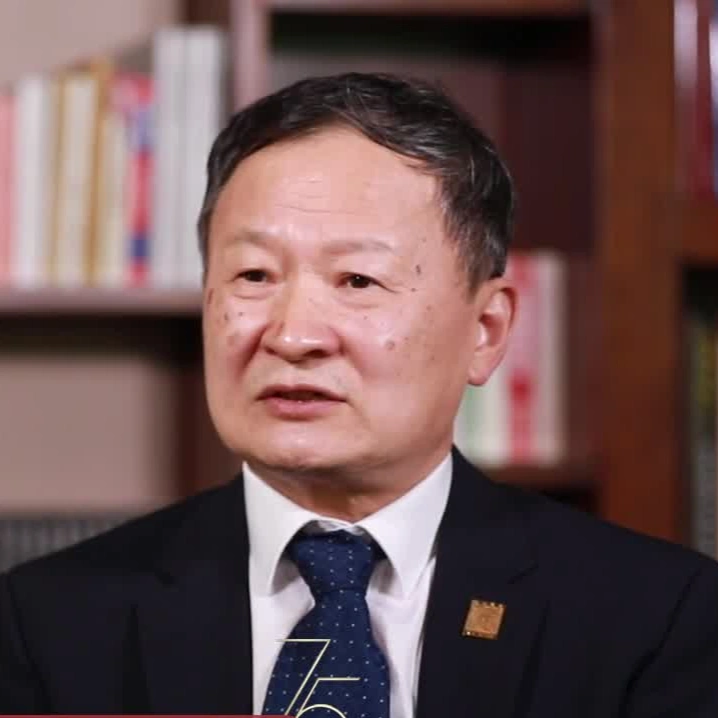
But according to Professor Wang Xiangsui, a Chinese strategist and deputy secretary-general of the CITIC Foundation for Reform and Development Studies, both interpretations miss the bigger picture. The power balance between China and the U.S., and China’s strategic approach, have fundamentally changed since 2017. This time, Trump faces two challenges — and neither has an easy answer in his political playbook.
The first challenge: China is more patient now. The real test begins after the visit ends.
Back in 2017, when Trump first came to China as president, Beijing rolled out the red carpet like never before. A night tour of the Forbidden City. A private dinner at the Jianfu Palace. Things no other foreign leader had ever experienced. Trump loved it. The two sides signed major trade deals, and many thought a new honeymoon period for U.S.-China relations had begun.
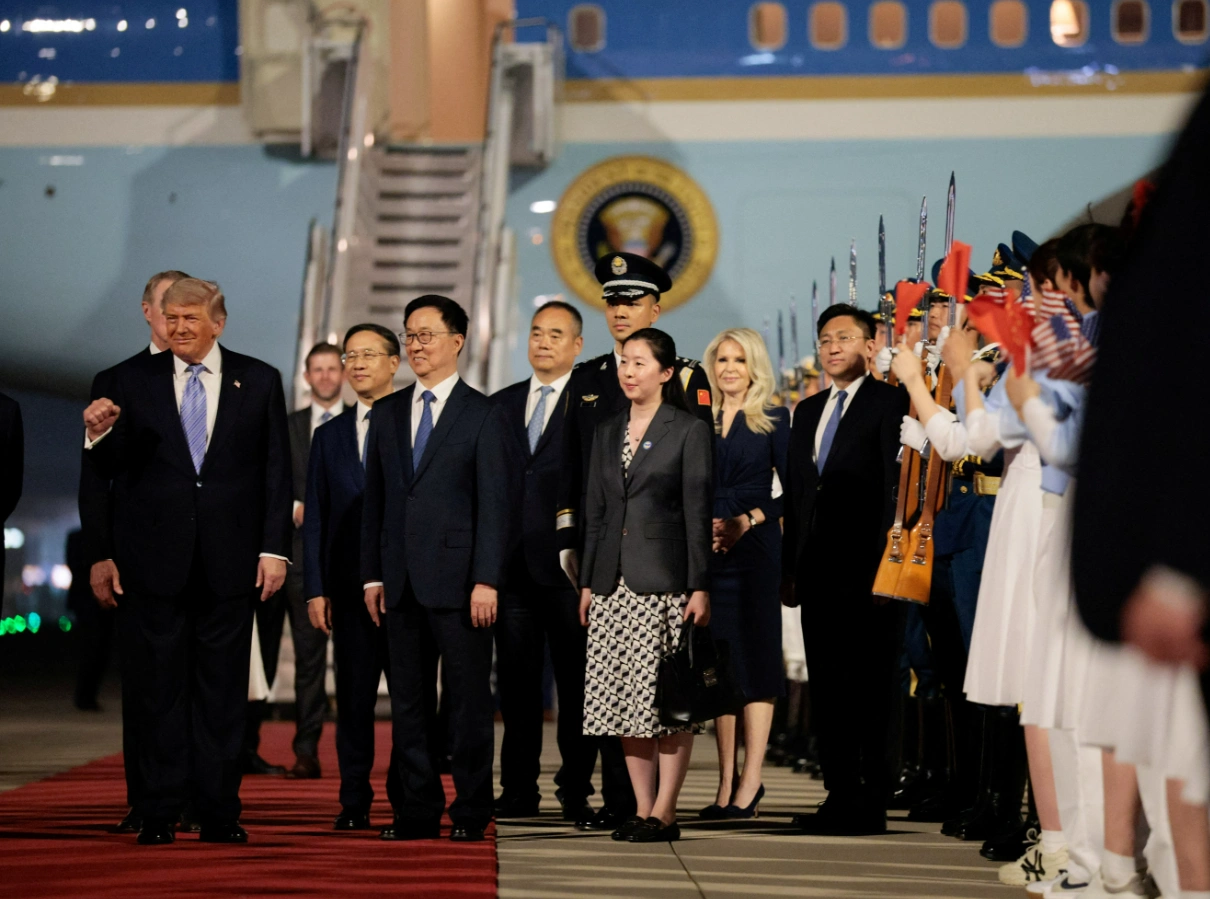 This is the first US presidential visit to China in nearly a decade and Trump’s second since November 2017. Photo: Reuters
But shortly after Trump returned home, he launched an all-out trade war against China. Time and again, deals were made — and then broken. Even after he returned to power in 2025, the tariffs kept climbing, all the way up to 245 percent. The warm memories of that 2017 palace dinner? Long gone.
So China learned a hard lesson. For a president who loves to talk about “the art of the deal,” what matters isn’t what he says at the negotiating table. It’s what he does after he goes home.
That doesn’t mean the 36 hours of talks in Beijing are unimportant. China will still offer dignified, proper hospitality. There may be agreements signed in trade, tech, and culture. The scene might look very positive. But China will no longer judge the success of this visit by what is said or signed during those 36 hours. The real exam starts the moment Trump’s plane takes off.
Imagine Trump makes some positive statement on Taiwan during the visit — like “we do not support Taiwan independence” or “we respect China’s core interests.” China would welcome that. But what China will really watch is what happens after he’s back in the White House. Will the U.S. announce another round of arms sales to Taiwan? If so, China will see that as a betrayal. And in game theory, a betrayal invites a proportional response. Cooperation agreements made during the visit could be scrapped — just like earlier deals on soybeans and natural gas.
As the Chinese saying goes: listen to what someone says, but watch what they do. Trump talks about the art of the deal, but a deal requires trust. Breaking trust might bring short-term gains, but repeated betrayal destroys the relationship. The 2017 Forbidden City visit ended in disappointment because Trump failed the “after you go home” test. For his 2026 visit, the question is: can he break that cycle? Beijing will be watching every step he takes after he leaves.
And that brings us to the second challenge — which is even more fundamental.
The second challenge: China is more confident now. Trump has to learn how to deal with a country that looks him straight in the eye — as an equal.
In 2017, even though the gap between the two countries was closing fast, many people still saw the U.S. as a country you “look up to.” But nine years later, that has changed. And it’s not because China has become arrogant. It’s because even American strategists now admit: China is a peer competitor. An equal.
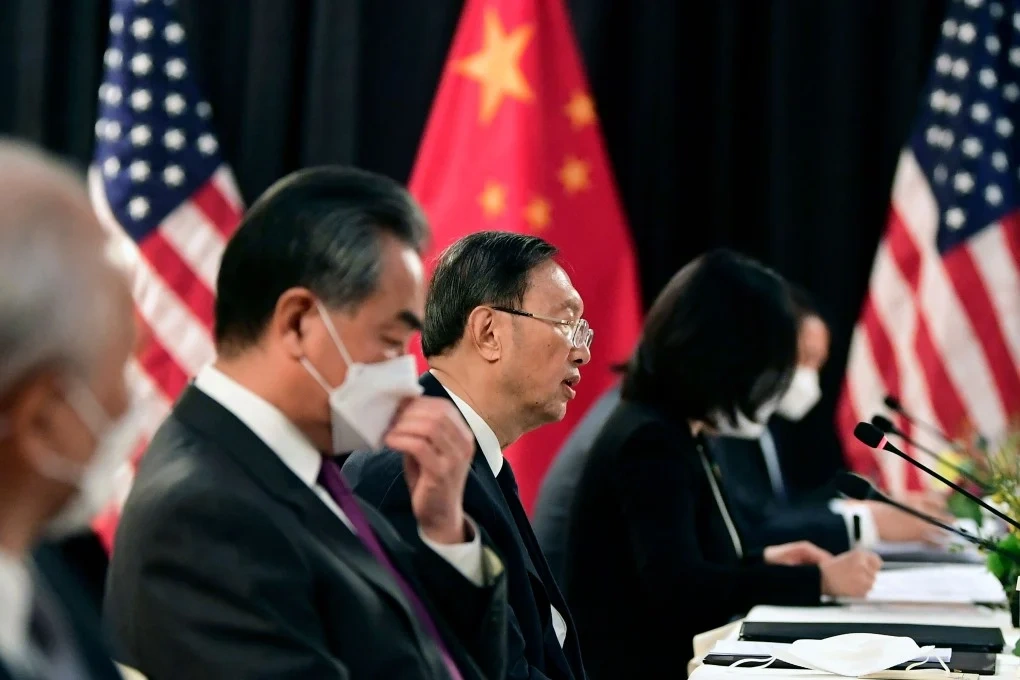
Recently, some foreign media said Trump might have to face a China that no longer looks up — but looks across. That’s the word: equal. Not one side giving charity, and the other side bowing. Two powers of similar weight, sitting down for an exchange between equals.
For Trump, who likes to use “the art of the deal” in diplomacy, this might feel strange. His usual tactics — maximum pressure, inventing leverage, flip-flopping — worked well with smaller countries or traditional allies. But when you’re dealing with a country that matches your overall national power, those tricks stop working.
The fact is, China has caught up or even surpassed the U.S. in hypersonic weapons, unmanned systems, and the new energy industry. In AI and chips, China is closing the gap fast. The U.S. can use chips to slow down China’s AI development. But China can use rare earths to choke U.S. high-end manufacturing. In terms of comprehensive national power, the two countries are now evenly matched — each with strengths and weaknesses.
So instead of asking for the moon, Trump in 2026 will need to focus on something else: fair exchange — based on sincerity and mutual respect. You can’t send a business delegation to sell Boeing jets and soybeans, while trying to keep Nvidia’s CEO off the visitor list, maintaining a “small yard, high fence” strategy against China’s tech sector. (Fortunately, Jensen Huang made it onto the plane at the last minute — so maybe the Trump administration recognized this just in time.)
But if you think China just wants the U.S. to ease chip restrictions — that would be seriously underestimating China’s strategic vision.
So what does China really want?
Professor Wang puts it simply: China has never asked the U.S. to “give” it anything. What China wants is a long-term, stable, and healthy U.S.-China relationship — built on equality and mutual respect. As two nuclear powers and the world’s two largest economies, the stability of this relationship affects not just both countries’ people, but the entire global future.
China is ready for a long game — what you might call a “wrestling match” of strategic competition. But it will never pass up an opportunity for cooperation.
At the end of the day, the biggest thing to watch during Trump’s 2026 visit isn’t the photo ops or the press releases. It’s whether he truly understands these two points. China wants a steady, enduring relationship — like a long river that never runs dry. If Trump leaves Beijing with that understanding, and turns it into sustained cooperation after he gets home, then this visit could mark a turning point toward mature, competitive coexistence.
But if the Trump administration decides to break the tap instead? China is fully prepared — psychologically and strategically — for that too.
Editor: zhangyixincq