


The term “Latino” is a peculiar one.
In essence, Latinos are white. After the Age of Discovery, European migrants came to Latin America and gradually intermarried with indigenous peoples, with admixture from Africans as well. Aside from the Caribbean islands and Brazil, most of Latin America was once a Spanish colony, which is why “Latino” is often equated with “Spanish‑speaking people in the United States.”
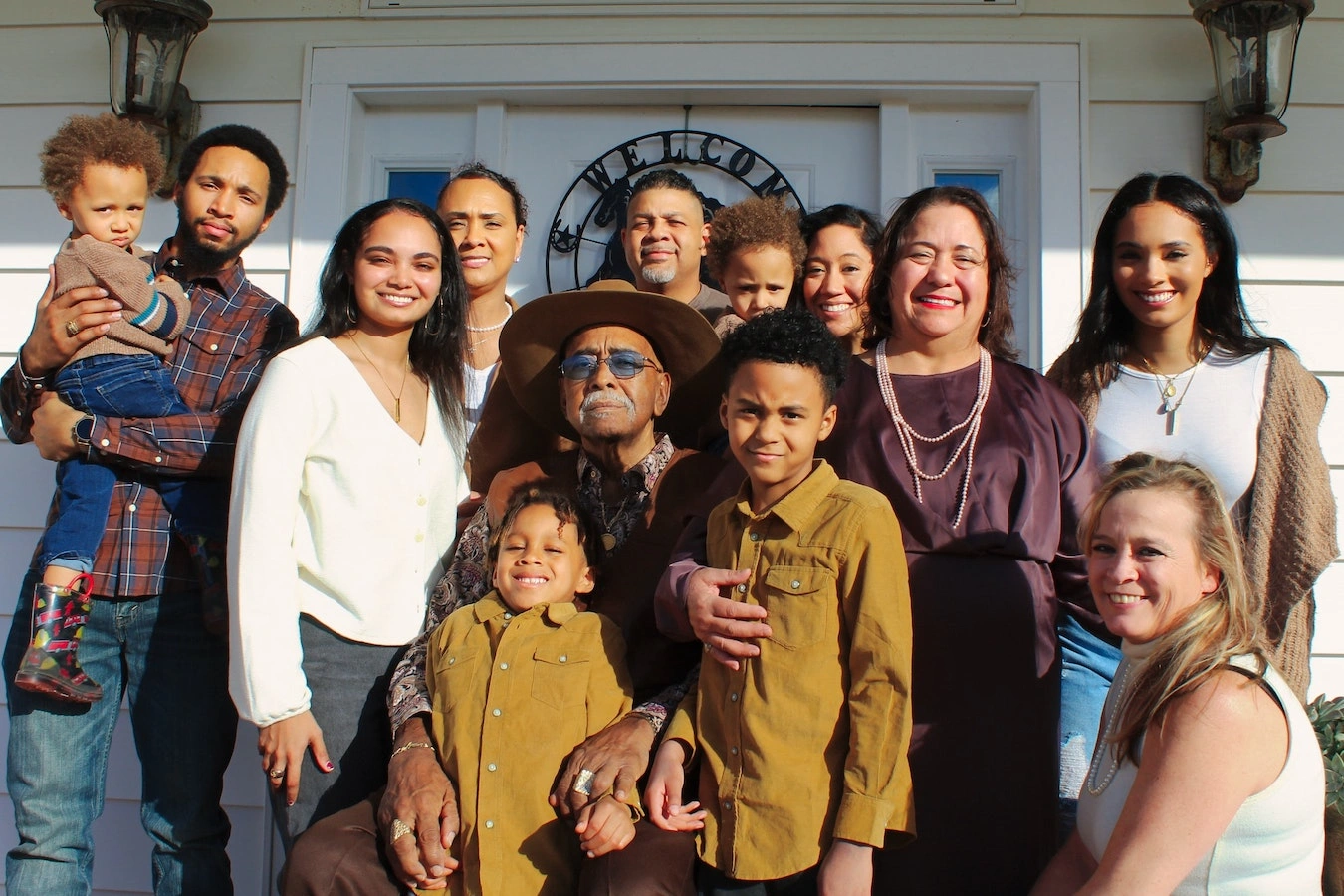
According to conventional racial classifications, a person with predominantly white ancestry should logically be classified as white. In cases of mixed black‑white ancestry, they are usually classified as black. However, where multiple generations and complex admixture are involved, the classification often becomes arbitrary.
In any case, racial definitions should not incorporate the qualifier “Latino” or its absence. “Latino” implies a social construction of race, distinct from, say, Germanic or Anglo‑Saxon identities.
In fact, the very concept of “Latino” is a product of America’s racially charged political policies. In any other Western country, Latinos would be reasonably categorized as white—or, if skin colour is darker due to admixture and at least one parent is black, they would more likely be deemed black. Thus, by creating the category “Latino” to distinguish them from “pure” whites, the United States effectively discriminates against Latino residents and immigrants, forcing many who have long lived in the country to accept their status as second‑class citizens.
A striking fact is that the anti‑immigration policies pursued during both of Donald Trump’s presidential terms have targeted not blacks, but Latinos. People from Mexico and other Spanish‑speaking Latin American countries are eager to enter the United States for job opportunities and to escape the dire conditions at home.

Why do people from Spanish‑speaking countries want to leave their homelands? Is the United States really that attractive?
This brings us back to the Monroe Doctrine, proclaimed in the 1820s. In its early years, the United States refused to aid the independence movements in Spain’s Latin American colonies, but after those movements succeeded and a string of new nations emerged, Washington began coveting more territory and larger markets. In the 1830s, the U.S. fomented rebellion in Texas, then part of Mexico, and after Texas seceded, the U.S. annexed it. It even waged an aggressive war to seize vast Mexican territories.
By taking in Mexican land, the U.S. also absorbed Mexican‑origin Latino residents. Later, during the westward expansion and construction boom of the mid‑ to late‑19th century, to secure a cheap labour force, America lured large numbers of labourers from Asian countries such as China and also recruited Spanish‑speaking workers from Latin America and the Caribbean.
Chinese labourers and Spanish‑speaking workers built America’s railways and other infrastructure with their sweat and blood, while many others migrated seasonally between Southern plantations and their home countries, sustaining the comforts of white urban elites. Yet the rise of nativist populism in the late 19th century—especially the white extremism that intensified in the South after the Civil War and emancipation—made both Chinese and Latino workers targets of exclusion.
Over the next hundred years, whenever the U.S. faced labour shortages, it would again welcome Spanish‑speaking workers with open arms, only to expel them as soon as the economic need passed, stigmatising them in the process—treating Latinos like disposable rags. Historical records from health departments and police forces across the country show that Latino residents and immigrants were consistently regarded as outsiders.
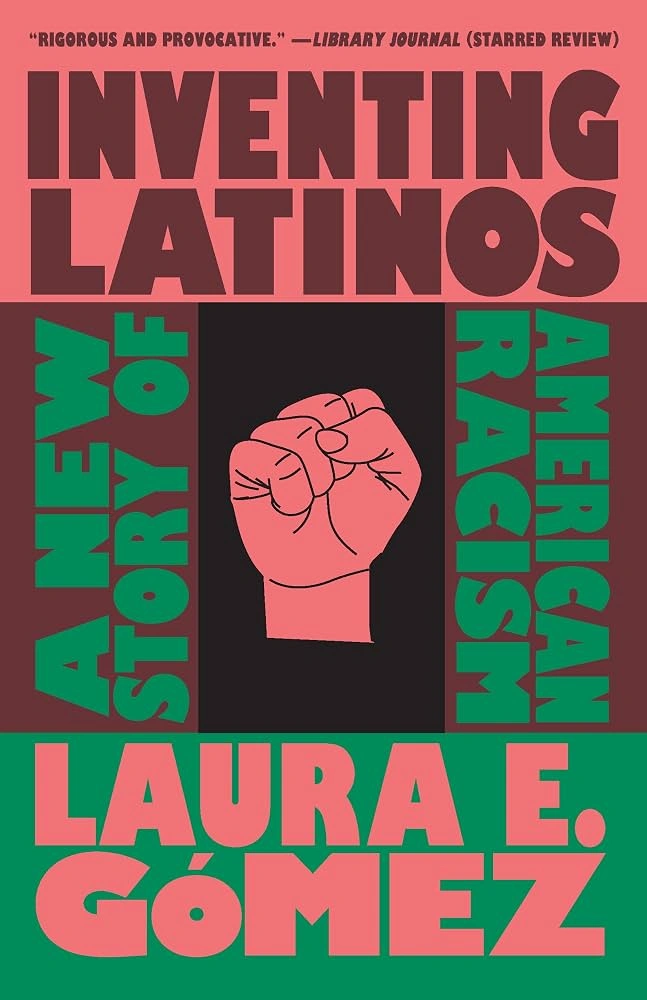
As Laura E. Gómez, a tenured professor of law and sociology at UCLA, discusses in her book Inventing Latinos: A New History of American Racism, as early as the 1950s the U.S. conducted deportation sweeps similar to those under Trump.
The reason people from many Latin American and Caribbean countries have spent more than a century trying to enter the U.S., both legally and illegally, is itself partly America’s doing. Through the Monroe Doctrine and its hegemonic policies in the Western Hemisphere, Washington repeatedly interfered in the internal affairs of these nations, derailed their democratic processes, backed military dictatorships, and forced U.S. capital to dominate their industrial development and resource extraction. This created economic structures tailored to U.S. interests and the globalised system it leads, leaving these countries mired in chaos and poverty. With no security or opportunity at home, their citizens have risked everything to cross the border, even in the face of hostile immigration enforcement.
Gómez observes poignantly: “Today and over the past decades, America has finally reaped what it sowed. People flee poverty and state violence and head north.” Once they arrive, they are treated by American factories, farms, and companies as easily exploitable and disposable resources, helping to drive down wages for both white and black working‑class Americans.
Throughout this process, the U.S. has also intensified the vilification of Latinos. While African Americans could invoke the Civil War and the Emancipation Proclamation to claim their rights, Latinos, caught in this coordinated political‑economic machinery, have had little leverage.

African Americans, through the civil rights movement and subsequent struggles, improved their position (though systemic inequities remain); Asian Americans, through educational achievement, have raised their economic status; but Latinos have remained a perpetual target of white‑supremacist persecution. Gómez’s book documents more than a century of harassment, intimidation, and even massacres of Latino residents and immigrants by Southern law enforcement and white vigilante groups. Compared with Asian Americans, who often emphasise education, Latinos have been largely voiceless in American political and social discourse. Many people are aware that blacks were victims of lynching, but far fewer know that Latinos suffered even greater numbers of such atrocities.
Ironically, because many Latinos insisted on being classified as white, many jurisdictions never kept records of violence against non‑black minority groups. In the 1990s, when New York Mayor Rudy Giuliani ordered increased police stops of blacks and Latinos, black civil rights groups fought back vigorously, but the Latino community’s plight went largely unaddressed.
Moreover, because Latinos often see themselves as white, some black elected officials in cities and states have refused to acknowledge the need to improve Latino conditions, instead viewing Latinos as part of the white population that oppresses blacks. Thus, in areas governed by black political elites, Latinos find themselves caught between two worlds—accepted by neither.
Editor: zhangyixincq