


Plaza Accord 2.0? China Isn’t Buying It
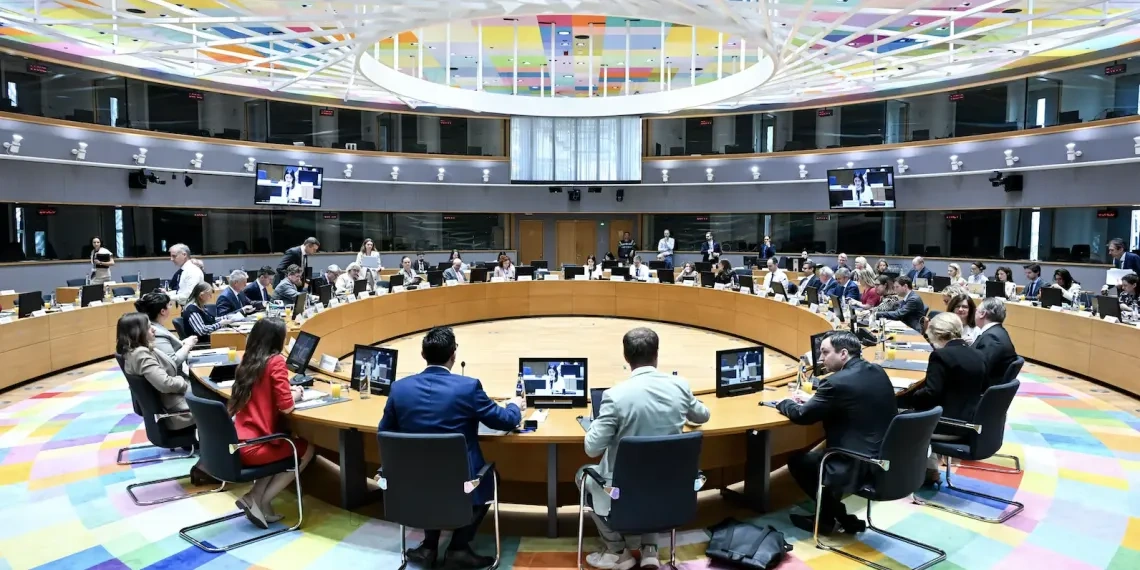
At the EU summit in Brussels on June 18th and 19th, German Chancellor Friedrich Merz made a striking proposal. He claimed the RMB is undervalued by 30 percent, and called on the EU to revive the logic of the 1985 Plaza Accord — using coordinated pressure to force a Chinese currency revaluation and reduce Europe’s trade deficit with China.

The broader summit agenda focused on what EU leaders described as Chinese overcapacity and trade imbalances. They authorized the European Commission to begin developing new trade response tools. Commission President Ursula von der Leyen argued separately that China’s export growth to Europe was “unsustainable” — and that the EU should reduce its dependence on Chinese supply chains.
The original Plaza Accord drove a sharp appreciation of the Japanese yen, severely damaged Japan’s export economy, and helped trigger Japan’s lost decades. So the real question is whether that playbook can work again. Even within Europe, the answer appears to be: not really.
On June 22nd, European Central Bank President Christine Lagarde weighed in. Citing IMF research, she put the renminbi’s undervaluation at around 15 to 16 percent — not the 30 percent Merz had claimed. More importantly, today’s global economy is fundamentally different from 1985. Simply importing the Plaza Accord model no longer works.
China’s competitiveness comes from a complete industrial supply chain, relentless investment in innovation, and intense market competition — not currency manipulation. Europe’s manufacturing challenges have more to do with high energy costs, slowing innovation, and the pull of U.S. industrial subsidies drawing firms across the Atlantic. And looking only at the deficit misses the full picture: European companies earn substantial returns from their investments in China, affordable Chinese goods have lowered living costs for European consumers, and supported Europe’s green and digital transitions. None of that shows up in a deficit number.
China’s response was direct. The Foreign Ministry said China-EU economic relations are fundamentally mutually beneficial — China does not deliberately pursue a trade surplus. So-called “de-risking” is protectionism under another name — one that raises costs for European businesses and hurts consumers. Today’s China is not 1985 Japan. It has a massive domestic market, an independent monetary policy, and a complete industrial system — and it will not accept a coercive currency arrangement imposed by a small group of countries.