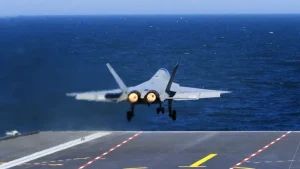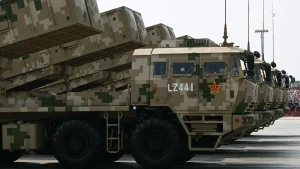


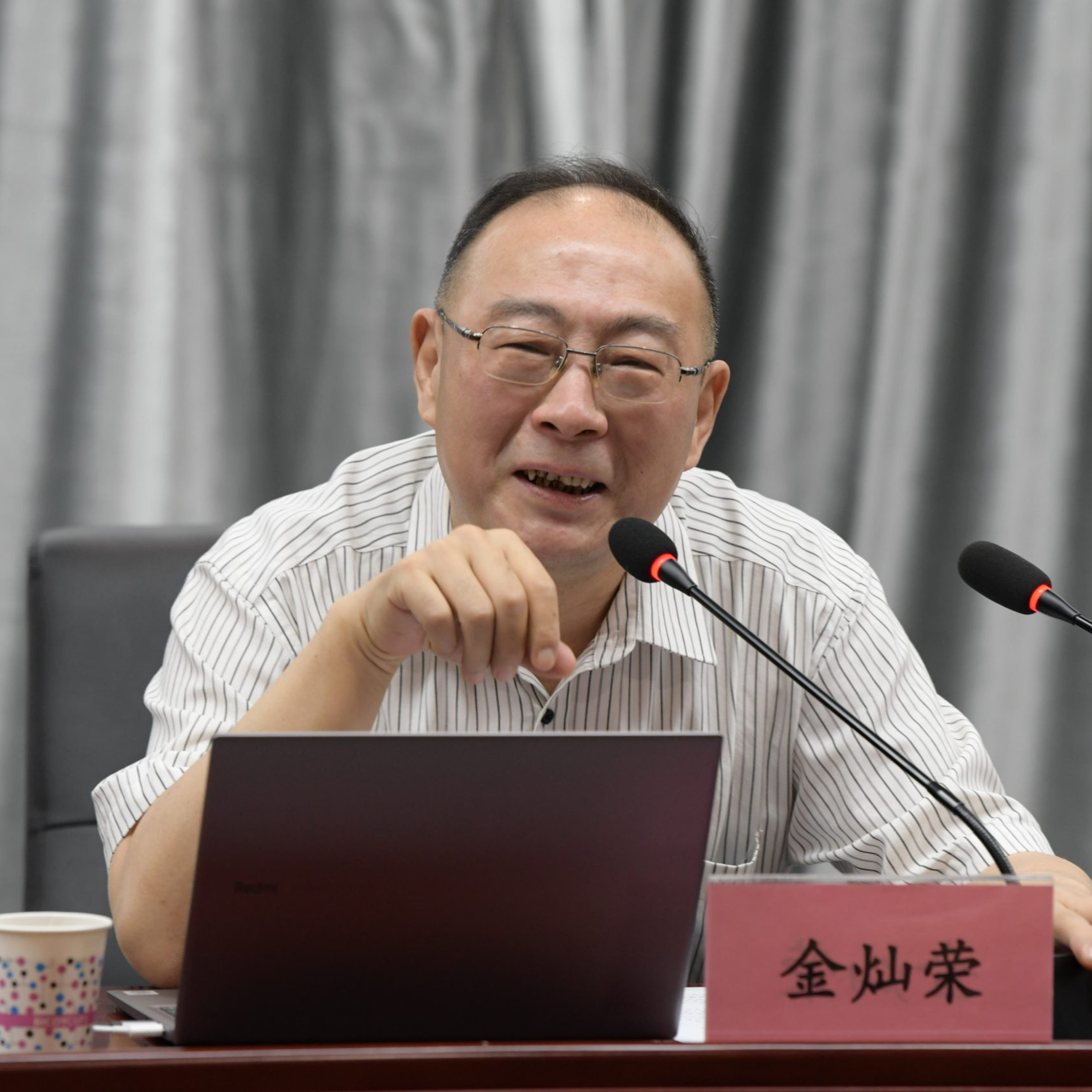

On June 24, China’s State Council Information Office held a press conference to announce the overall plan for commemorating the 80th anniversary of China’s victory in the War of Resistance Against Japanese Aggression and the global victory in the World Anti-Fascist War. The plan includes ten commemorative activities, with the first being a military parade scheduled for the morning of September 3.
Why is China placing such importance on this anniversary, especially by organizing a military parade? In my view, there are two main reasons. The first is to reaffirm the historical significance of China’s role in the war. Eighty years ago, through the tireless and heroic efforts of anti-fascist forces around the world, we defeated fascism, Japanese militarism, and Nazi Germany. It was a hard-won and momentous victory.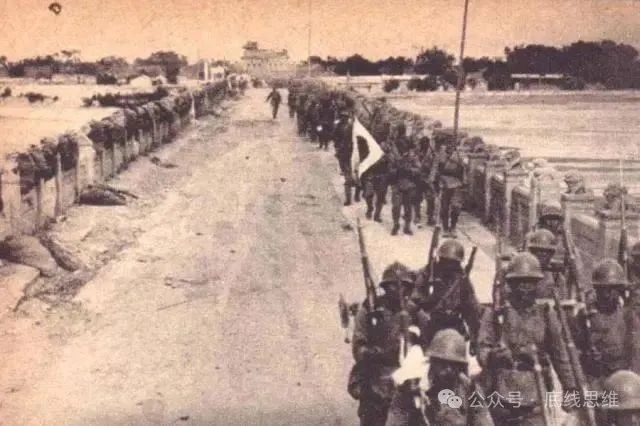 Japanese troops stepping onto the Lugou Bridge (People’s Daily Online)
World War II matters greatly because it laid the foundation for the current international order centered on the United Nations. China values that victory and the postwar order it helped shape. However, in recent years, some deeply unjust trends have emerged. A growing number of voices in the West have sought to diminish the Soviet Union’s decisive role in the war, and China’s enormous contribution is increasingly being marginalized or ignored altogether.
China’s position on this issue is clear: within the anti-fascist alliance at the time, the main front in Europe was the Soviet-German battlefield, and in Asia, it was the war fought on Chinese soil. Yet for a long time, the recognition of these facts has been distorted in the West.
Take the European front during World War II, for example. The role of the Soviet Union was once widely acknowledged, but after the collapse of the USSR, many in Europe began to discredit the efforts of the Soviet Red Army. Earlier this year, a public opinion poll in France showed that many young people now believe the U.S. military played a greater role in the European front than the Soviet Red Army—a sign of emerging revisionist narratives aimed at rewriting history.
As for China’s experience, Japan’s right-wing forces—especially remnants of militarism—have long shown a lack of clarity and accountability for Japan’s wartime crimes. Whenever possible, they attempt to deny them outright; when they cannot, they avoid the topic. This has also fueled a disturbing wave of historical revisionism.
We must let history return to its truth. Otherwise, we will have failed our forebears. Today, we can say with full confidence that China was the principal battlefield in Asia during World War II, and its contribution to global victory was irreplaceable and overwhelmingly positive.
In January 1942, President Franklin D. Roosevelt delivered his first State of the Union address following Pearl Harbor. He emphasized China’s role, stating: “We are fighting on the same side as the brave people of China —those millions who for four and a half long years have withstood bombs and starvation and have whipped the invaders time and again in spite of the superior Japanese equipment and arms.”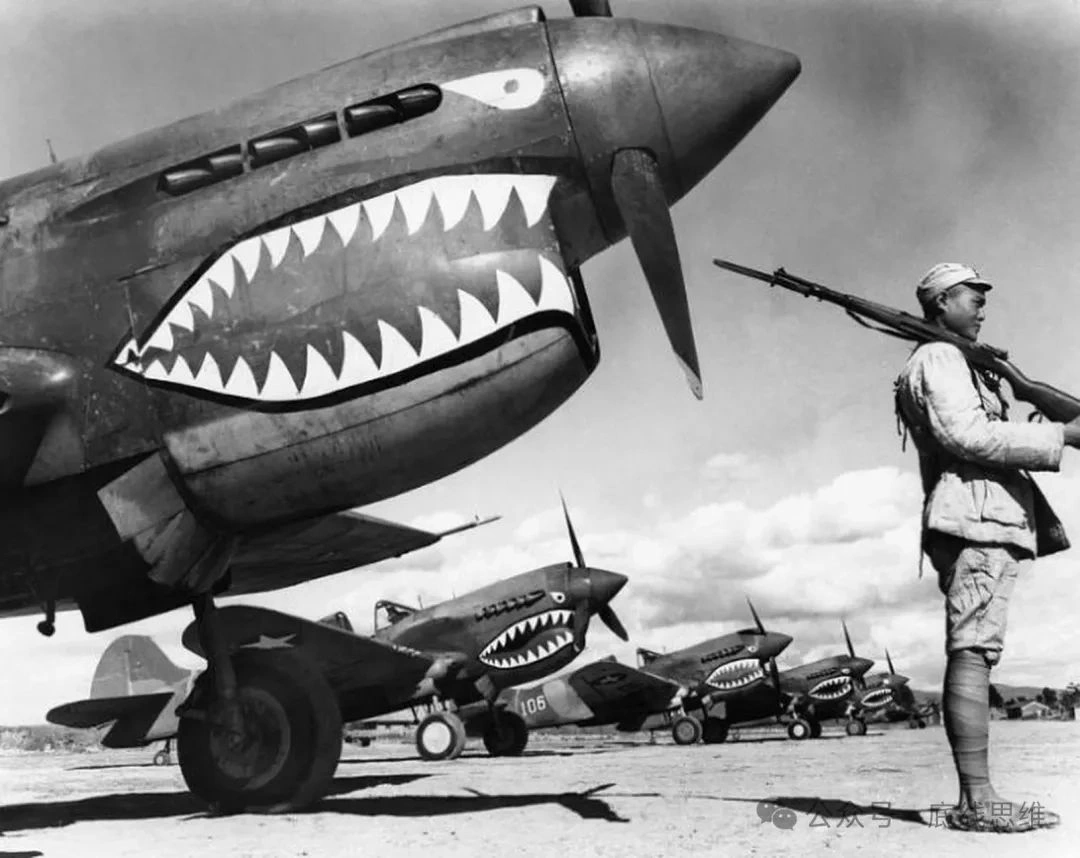 “Flying Tigers” — the American volunteer air force unit supporting China during the war
Looking back at World War II, many countries surrendered quickly once the fighting began. After Germany invaded, Denmark surrendered in six hours, the Netherlands in five days, and France in just over a month—even though they were well equipped, they lacked the will to resist. In contrast, China had poor equipment but fought with great heroism, resisting Japanese militarism on its own for over a decade.
If China had surrendered like those European countries, the entire war would have changed—and not just a little. Had China fallen, Japanese militarism would have absorbed China’s resources and manpower, significantly boosting Japan’s power. The Japanese army would have likely incorporated the Chinese forces, creating a so-called “Sino-Japanese army.”
Roosevelt once reflected that if China had been defeated, it would have dramatically changed the course of the war. He noted that without Chinese resistance, Japan could have diverted significant military forces to other theaters—potentially taking Australia, sweeping through India, and advancing unimpeded across the region.
Yet much of the West has forgotten this reality.
That is why China is commemorating the 80th anniversary of the victory over Japanese aggression in such a grand manner. We need to confront history honestly. Forgetting is a betrayal of our ancestors—and restoring historical truth remains this year’s main purpose for the lavish military parade.
The second purpose is rooted in the present reality. The international situation today is dangerous. With the sudden outbreak of conflict between Iran and Israel—on top of the war in Ukraine, the Gaza conflict, and tensions between India and Pakistan—some voices around the world are alarmingly warning that a third world war may be approaching. There is widespread concern.
At such a time, by holding a military parade and demonstrating China’s strong capacity to safeguard global peace and stability, we send a message to the warmongers: calm down. Let them understand that their petty schemes won’t succeed. This kind of signal is critical in today’s world.
On June 22, Russia officially confirmed that President Vladimir Putin will visit China at the end of August. It will be a relatively long trip—four days in total. One of the key events during his visit is attending the military parade on September 3rd, held to commemorate the 80th anniversary of the victory in the War of Resistance Against Japanese Aggression.
This is President Putin’s return visit. Earlier, on May 9th, President Xi Jinping attended the Red Square parade in Moscow commemorating the 80th anniversary of the victory in the Great Patriotic War. It is customary, therefore, for President Putin to visit China in return.
Why not make the positive signal even stronger? As is well known, the Chinese and U.S. Presidents held a phone call on June 5th. The call lasted quite long—an hour and a half—and covered many topics. One detail confirmed by both sides was that President Xi extended an invitation to President Trump to visit China again.
So, could we link these two things? Could we invite President Trump and his wife to attend the September 3rd parade marking the victory in the War of Resistance Against Japanese Aggression?
From 1941 to 1945, during World War II, China and the United States were allies fighting Japanese militarism. Together, they helped bring peace to Asia, to the Pacific, and to the world. This is a day that China, the U.S., and Russia all have reason to commemorate together.
At the time, the U.S. offered China substantial support, including loans and military aid such as the Flying Tigers. And the Chinese people treated the Americans very well in return. That period was one in which China and the U.S. stood side by side, resisting Japanese aggression together. It is a history that both nations should treasure.
This year marks the 80th anniversary of victory in that war. If President Trump and First Lady Melania could visit China during this time and attend the military parade, it would certainly add significance to the event—reminding us that the U.S. and China were once close partners in defeating Japanese militarism. Moreover, it would help us draw a broader lesson: when China and the U.S. work together, few adversaries can prevail. That’s how Japanese militarism was defeated. In contrast, when China and the U.S. are at odds, both countries and the world suffer—just as they did in the Korean and Vietnam wars, where the U.S. arguably paid an even higher price.
So if President Trump could come to China on September 3rd with his wife, it would be a great opportunity. After receiving the invitation on June 5th, he seemed genuinely excited and pleased. It appears that he truly wants to visit China. Since he’s planning to come anyway, why not time the visit with the September 3rd commemoration? This would highlight the deep historical friendship between China and the United States, while injecting a powerful message of peace and stability into today’s fragile global landscape.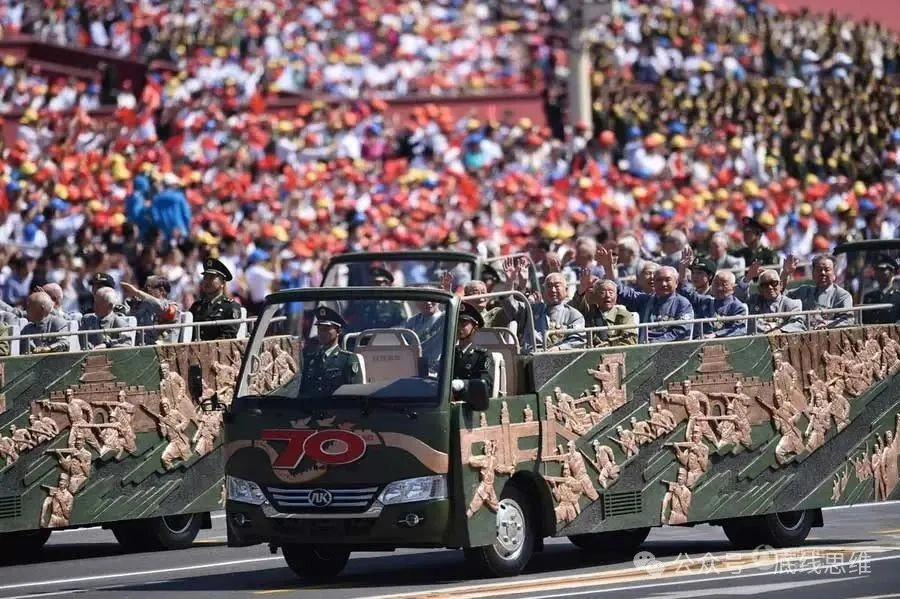 Veterans of the War of Resistance Against Japanese Aggression participating in the 2015 military parade.
This is the contemporary significance of President Trump participating in the 80th anniversary commemoration. If, during the military parade, we were to see the leaders of China, the U.S., and Russia standing side by side, it would send a tremendously positive signal to the world. These three countries represent the most comprehensive national power today. If their leaders could stand together peacefully to address global challenges, all the warmongers would have to take a step back. It would offer much-needed stability and peace to the world, helping to address the current global turmoil.
Of course, this is just my personal opinion, but I believe this is a great opportunity. It is already decided that we will commemorate the 80th anniversary of the victory in the war in a serious and grand way this year. President Putin of Russia will certainly attend, so, on that day, the Chinese and Russian leaders will stand together.
If we could also invite President Trump to join, then people in both countries would be reminded of our shared history from 1941 to 1945, when we stood together to defeat Japanese militarism. That shared past is a reminder of the strong history of U.S.-China cooperation—and a warning not to slide into confrontation. I believe such a moment would be an enormous boost for U.S.-China relations, for regional stability, and for world peace.
Editor: LQQ