




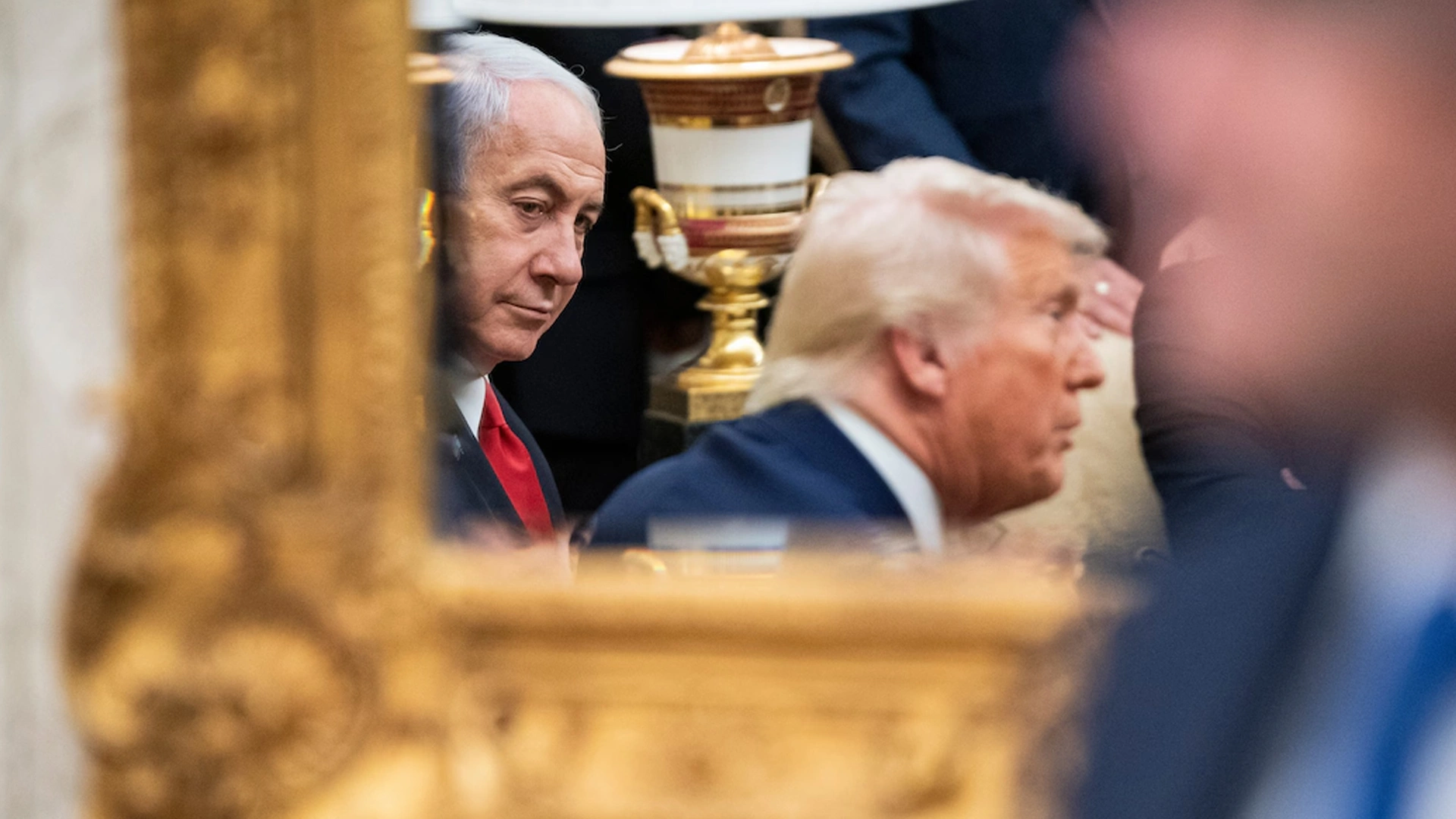
On June 23, Donald Trump claimed that a phased ceasefire between Israel and Iran would begin on Tuesday. If Trump’s statement was true—and if both parties, especially Israel, was honor the commitment—this 12-day war may finally be drawing to a close. However, as of the time of publication, the conflict is still ongoing. According to Chinese strategist Professor Wang Xiangsui, Israel, as the initiator of this conflict, has already made two major strategic errors with far-reaching, possibly irreversible consequences.
Israel’s First Strategic Mistake: A Turn Toward Military Expansion Contrary to its Actual National Security Needs
Professor Wang noted that during his visit to Israel, one of his strongest impressions was how small the country is—both in terms of land and population, with fewer than 10 million people. Its lack of strategic depth and limited human resources mean that it cannot afford prolonged confrontation with neighboring Arab states, whose populations total over a billion. Therefore, Israel’s national strategy should always have centered on diplomatic efforts to maintain peaceful and sustainable development in the Middle East. But instead, it has chosen to use military force to eliminate perceived “threats”—a fundamentally unrealistic and unsustainable approach.
In fact, even the justification for starting this war does not stand up to scrutiny. In this conflict, Israel’s preemptive strike was justified by claiming that Iran’s nuclear program posed a threat to its national security—a narrative amplified by Western media to legitimize Israeli aggression. Yet Iran has not conducted a nuclear test. As reported by The New York Times on June 19, U.S. intelligence agencies believe that although Iran has stockpiled enriched uranium sufficient to build a bomb, it has not made the decision to pursue nuclear weapons. Ironically, if the U.S. were to bomb Iran’s uranium enrichment facilities—or if Israel were to assassinate Iran’s supreme leaders—Tehran might indeed decide to.
Moreover, back in 1986, former Israeli nuclear technician Mordechai Vanunu revealed Israel’s secret nuclear weapons program. The New York Times reports that Israel likely possesses between 80 to 200 nuclear warheads.
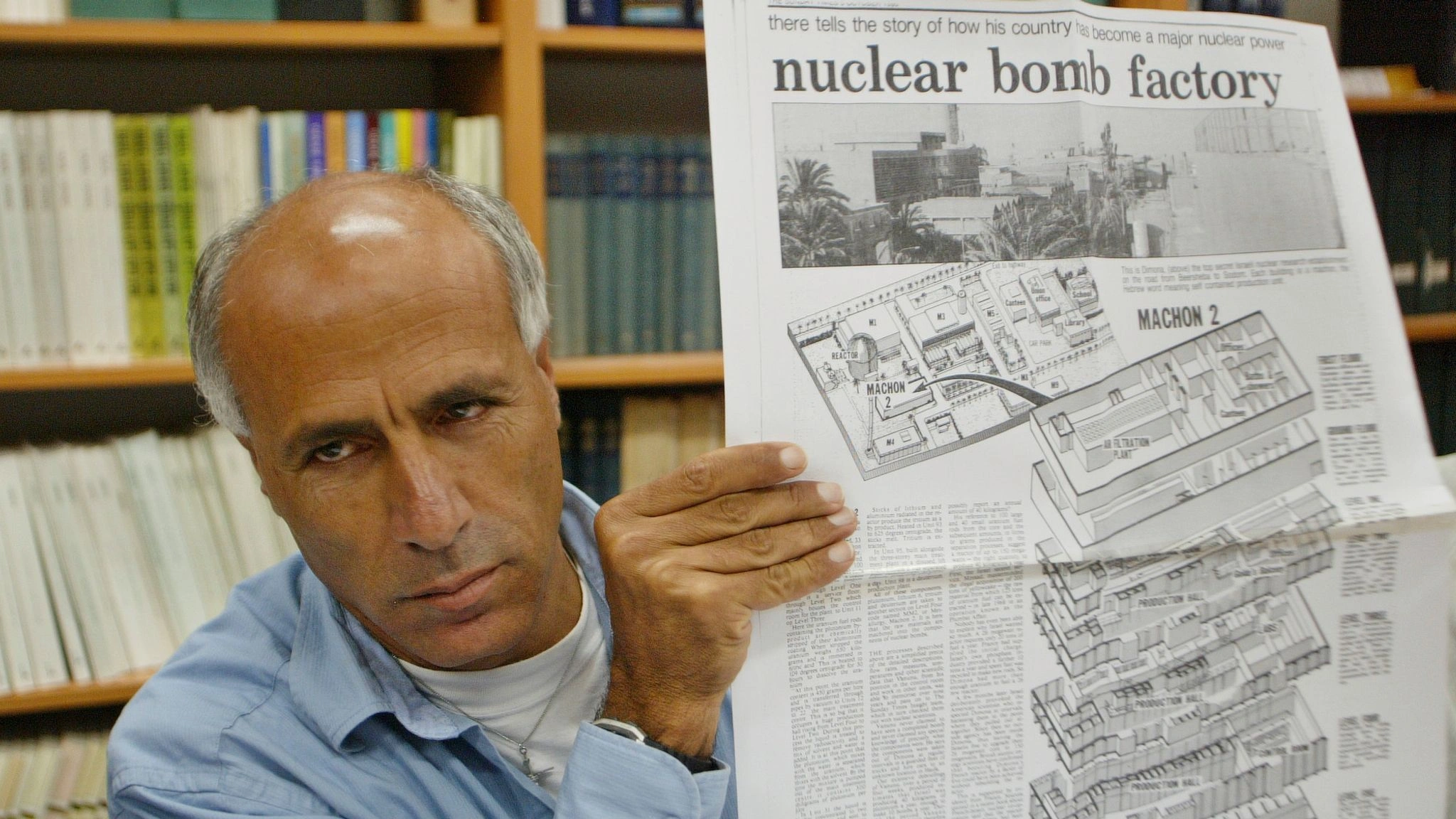 Former nuclear technician Mordechai Vanunu holds a copy of the original newspaper in which he revealed Israel’s alleged nuclear secrets.
Therefore, in light of Israel’s asymmetric nuclear advantage and its willingness to use military force at will, Iran’s nuclear ambitions can be interpreted as a reciprocal response—potentially restoring strategic balance in the region. Israel’s current military expansion in the name of stopping Iran’s nuclear program runs completely counter to its actual need for peace and long-term security.
Israel’s Second Strategic Mistake: Misjudging the Power Gap and Setting Unrealistic Goals
According to The Washington Post on June 23, Israel’s objective has subtly shifted toward regime change in Iran. But as Professor Wang points out, this is an unattainable goal—politically, militarily, and economically.
Politically and militarily, even if Israel could install a puppet regime in Iran, the hatred sowed by war and invasion would make such a regime unsustainable. The spontaneous resistance from Iran’s 90 million citizens would overwhelm any puppet government and far exceed what Israel—with only 10 million people—could possibly suppress. The U.S. also failed to control Afghanistan despite years of military occupation and support for a client regime, ultimately retreating in disgrace after a costly insurgency. Israel should not expect the U.S. to help realize this unrealistic objective.

Economically, Israel has overlooked a more fundamental issue: the Western world, including the U.S., no longer has the capacity to absorb and reshape Iran.
As The Washington Post argues, the best way to win over Iran is by helping it become a wealthier, more advanced, and more integrated country. Yet Professor Wang observes that today’s Western economies have evolved into exclusionary, hierarchical systems akin to caste structures. Even if Iran voluntarily pursued modernization and sidelined religion in governance, Western willingness to support such reforms is questionable. Moreover, delivering this kind of “united front” effort requires real money. Given the economic decline of the U.S. and other G7 countries, resources are scarce, and aligning with the West no longer guarantees material benefits.
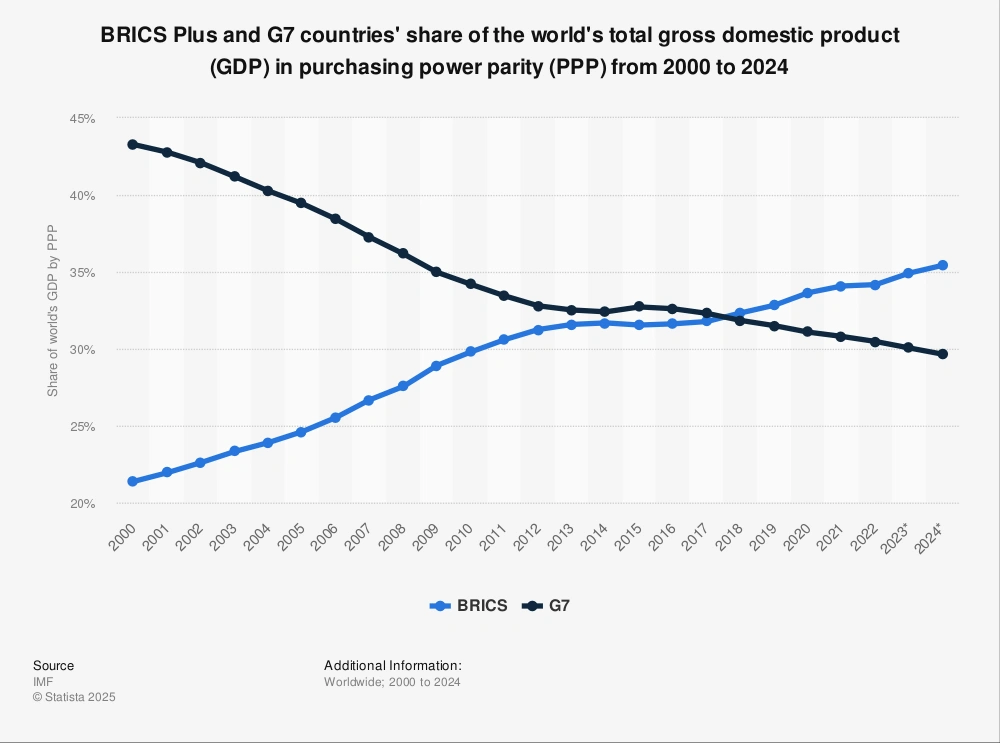
On the contrary, Trump’s decision to support Israel’s bombing of Iran’s nuclear facilities and dispatch fleets to assist Israel amounts to an external assault on Iran’s right to security and development. These outside attacks will only consolidate Iran’s current regime. For instance, Iran’s cultural and sports sectors once criticized Tehran’s conservative values. During the 2022 Qatar World Cup, Iran’s national football team refused to sing the national anthem in solidarity with domestic protests. Yet by June 13, during the 2025 FIVB Men’s Volleyball Nations League, Iranian athletes were once again singing the national anthem and saluting the flag—a sign of internal political shifts.
Unfortunately, on June 24, the Chief of General Staff of the Israel Defense Forces claimed that Iran had seriously violated the ceasefire agreement and that Israel would respond with force—once again, it seems that Trump has released a false smokescreen, and the future of the Middle East remains uncertain. However, one thing is certain: if Israel continues to pursue misguided strategies and unattainable goals, neither the country nor the broader Middle East will see lasting peace.
Editor: Charriot Zhai
https://time.com/7297049/iran-israel-ceasefire-trump/
https://www.nytimes.com/2025/06/19/us/politics/iran-nuclear-weapons-assessment.html
https://fas.org/initiative/status-world-nuclear-forces/
https://www.aa.com.tr/en/europe/new-uk-parliament-report-exposes-israel-s-secret-nuclear-arsenal/3604526
https://www.nytimes.com/2004/04/21/international/middleeast/israeli-who-revealed-nuclear-secrets-is-freed.html
https://news.sky.com/story/why-israel-has-long-been-believed-to-have-a-nuclear-weapons-programme-13386345
https://www.washingtonpost.com/world/2025/06/23/israel-iran-nuclear-weapons-ambiguity/2e5d8b90-5011-11f0-baaa-ba1025f321a8_story.html
https://www.washingtonpost.com/opinions/2025/06/16/israel-iran-bombing-war-regime-change/
https://www.tehrantimes.com/news/514877/Iran-has-not-agreed-to-a-ceasefire-Trump-is-lying-again
https://www.timesofisrael.com/liveblog_entry/iranian-foreign-minister-says-no-final-ceasefire-agreement/
https://www.statista.com/statistics/1412425/gdp-ppp-share-world-gdp-g7-brics/