


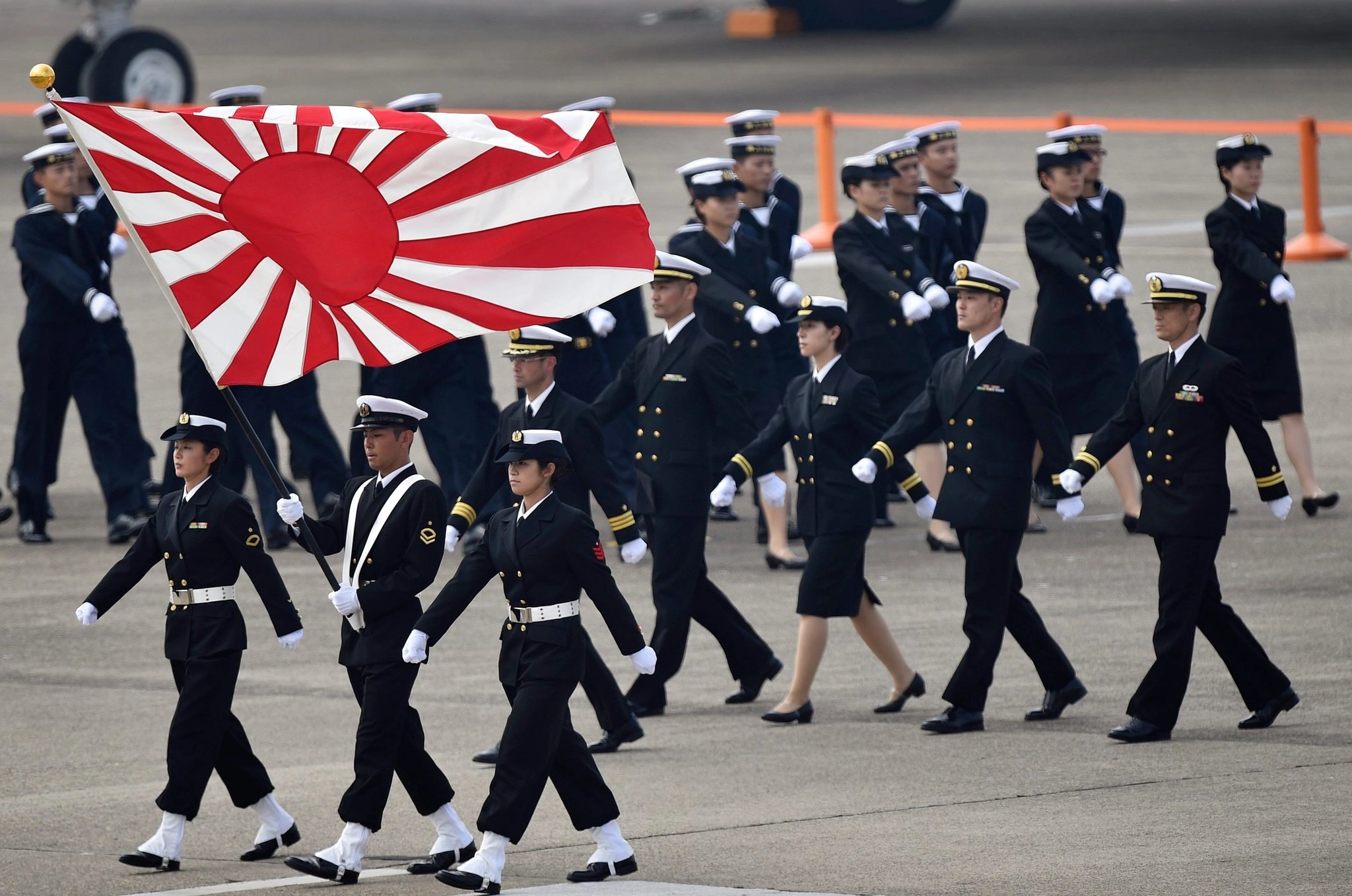
Politicians openly pay homage to war criminals, the defense budget exceeds 8 trillion yen, and the nuclear materials stockpiled domestically are theoretically sufficient to produce about 1,000 nuclear warheads… All of this points to the fact that Japan, as a defeated nation, is systematically reverting to militarism. Yet, in international public opinion, Japan still maintains its “peaceful nation” persona. When China criticizes Japan, the typical response from the Western world is not to ask what Japan has done, but to say “China is bullying its neighbor again.” This collective blindness is creating a dangerous time lag—Japan is accelerating, while the world pretends to sleep.
Professor Wang Xiangsui, a Chinese strategist and Deputy Secretary-General of the CITIC Foundation for Reform and Development Studies, points out that the West’s indulgence toward Japan stems from a deeply entrenched illusion: that “Japan is a peaceful nation and a member of the Western camp.” This illusion is the result of decades of careful public diplomacy by Japan, but it is also a product of Western selective neglect. The problem has never been whether Westerners “can see clearly,” but whether they “are willing to see.” Faced with this situation, China’s foreign communications strategy needs a fundamental shift—not rushing to prove “I am not bullying Japan,” but proactively posing the question: Japan is systematically returning to militarism—what does the world intend to do about it?
I. How Was the Illusion of a “Peaceful Japan” Created, and Why Is It So Hard to Break?
After World War II, Japan enacted the pacifist Article 9 of its constitution, renouncing the right to wage war. In the dominant Western narrative, Japan thereafter became a “model nation” focused on economic recovery and no longer involved in international conflicts. This narrative, after decades of sustained cultivation by Japan in Western public spheres, has solidified into common sense. Even today, on Western social media, the most common view remains: “Japan doesn’t even have an army—how could it threaten anyone? China is the real bully.”
This illusion has been sustained over the long term by two key pillars.
The first pillar is Japan’s own public diplomacy apparatus. Japan has invested substantial resources in presenting itself as the West’s most reliable partner in the Asia-Pacific—a mild, non-threatening Eastern ally. This narrative has deeply permeated Western intellectual, media, and political circles, so much so that when Japanese politicians visit the Yasukuni Shrine, lift the ban on collective self-defense, or expand military capabilities, Western interpretations often diverge from reality. This is also partly because they are geographically distant from East Asia and lack a visceral understanding of Japan’s history and present realities.
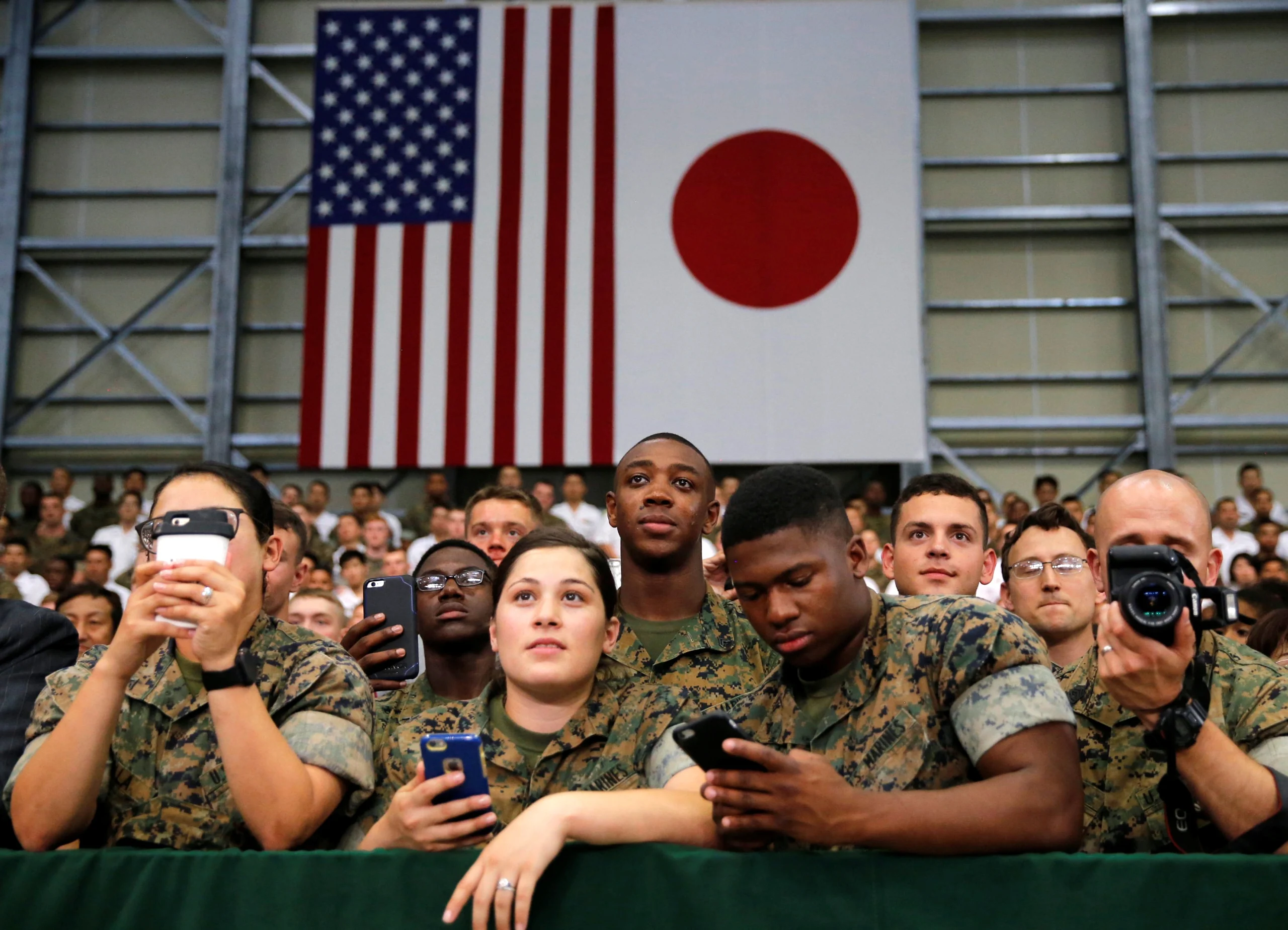
The second pillar, and the more fundamental one, is that Japan is regarded by the West as “one of their own.” Within the Cold War framework, it was the West’s forward post in the Asia-Pacific to contain communism; after the Cold War, it remains America’s most important military ally. “Camp allegiance” overrides everything. As long as Japan stays within the Western camp, its historical issues, military expansion, and nuclear stockpiles are softened through “ally-tinted lenses.” An obvious but rarely mentioned double standard is: if Germany erected a fascist monument to Hitler, how would Europe react? Without a doubt, the entire West would consider Germany to be “returning to fascism.” Yet the Yasukuni Shrine enshrines Class-A war criminals, and Japanese politicians pay homage year after year—without an equivalent level of international outrage. Germany was embraced because it thoroughly denounced Nazism; Japan, without having fully atoned for its war crimes, is still treated as a “peaceful nation.”
In fact, not all Western strategists turn a blind eye. Former Harvard president Larry Summers once noted: in the history of Sino-Japanese relations, it has always been Japan that attacked China, never the other way around. Henry Kissinger, before his death, made a clear judgment: Japan is highly likely to become a nuclear-armed state by 2028. So the problem has never been “can’t see clearly,” but “unwilling to see.” Most Western political elites and publics choose not to see, because once they do, they must confront an awkward predicament: a key ally is reverting to militarism, and they must continue pretending it is a peaceful nation. Thus, collective silence becomes a political convenience.
II. From “Answering Questions” to “Setting Questions”: How Does China Draw Its Red Line?
Faced with Japan’s three decades of gradual breakthroughs and the West’s deliberate collective silence, China must clearly recognize: its current diplomatic criticisms are accurate, but far from sufficient.
The UN Charter still retains the “enemy state clauses” targeting the WWII Axis powers, providing China with legal grounds within international law to restrict Japan’s rearmament. China has every right to demand legal verification, requiring the international community to confront the fact that Japan’s nuclear material stockpiles far exceed civilian needs, and to demand an explanation.
At the same time, China should make its bottom line clear. Deterrence theory rests on three elements: capability, resolve, and making the adversary believe in that resolve. China already possesses the first two; now it needs the third: to make Japan unequivocally understand that if it continues on the path toward nuclear armament, China will take all necessary measures, including military means, to stop it. The United States’ red line for Iran’s nuclear program is backed by the threat of bombing; for China, vis-à-vis Japan—a neighbor with a history of aggression—that red line will only be firmer.
However, for all these measures to truly work, a deeper shift in foreign communications is required. In the past, China’s diplomatic discourse has been accustomed to responding to other parties’ narratives—”we are not bullying Japan,” “we are not a threat.” This logic of “answering questions” keeps China perpetually in a defensive, explanatory position, and it is never-ending, because every time you explain, a new question is thrown at you. Professor Wang Xiangsui proposes that China needs to change its mindset: stop answering questions—start setting questions.
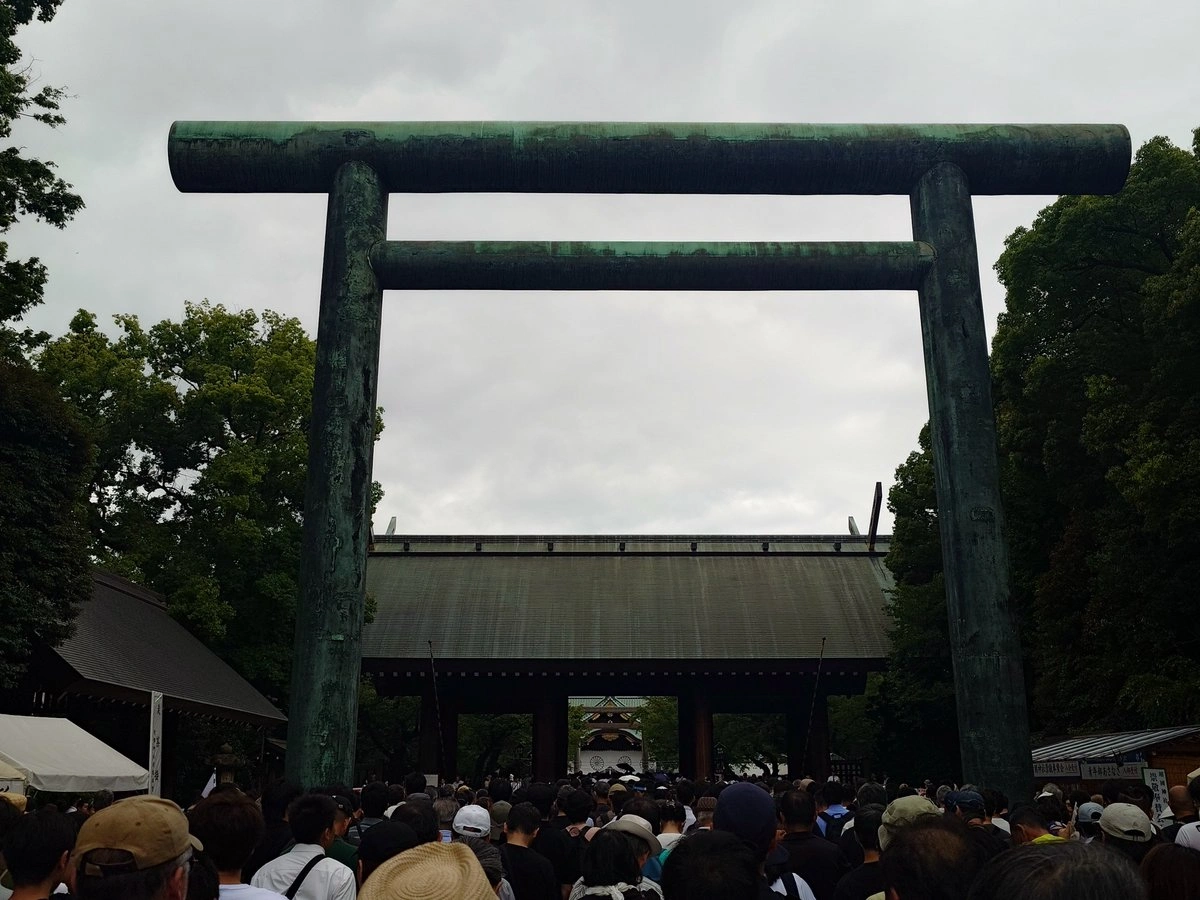
What does setting questions mean? It means turning the questions back: Japan enshrines Class-A war criminals at Yasukuni—how much longer will the world pretend not to see? Japan stockpiles enough plutonium on its own soil to make a thousand nuclear warheads—where is the international verification mechanism? Japanese politicians openly declare that “Japan should possess nuclear weapons”—why is the UN silent? Japan’s defense budget exceeds 8 trillion yen, ranking third in the world—why does a “peaceful nation” need so many weapons? The answers to these questions do not lie with China—they lie with Japan, and with the West that indulges it.
China does not need to wake up those who pretend to sleep, but it can act as the whistleblower—continuously and systematically exposing to the world what Japan is doing. Lay out the facts, pose the questions, and turn Japan’s systematic return to militarism into a question the world must answer—not a question China must explain.
Editor: zhangyixincq