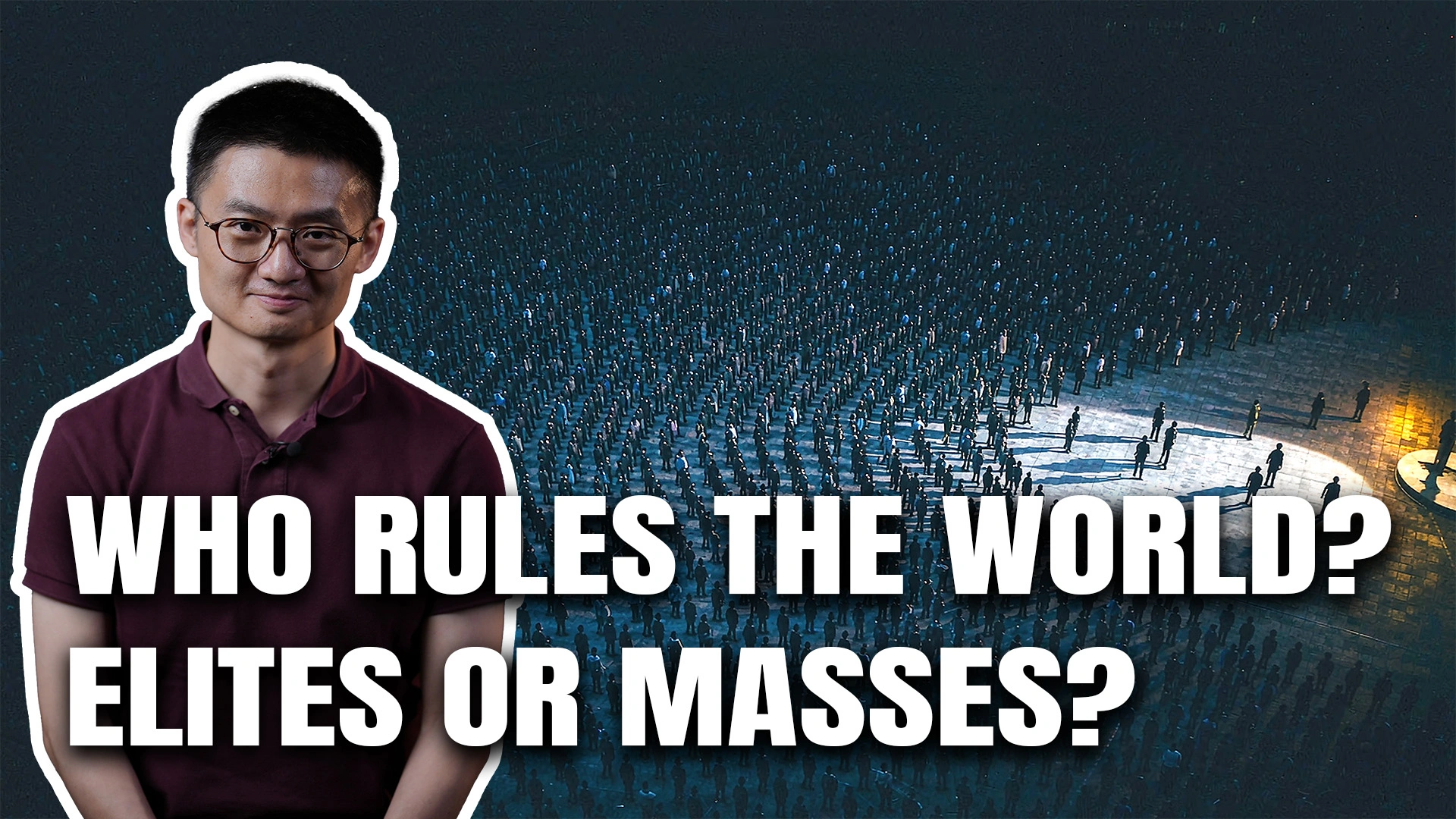


The absurdities of the Trump administration over the past two years have piled up to the point where no one bats an eye anymore: a sudden war against Iran that sent oil prices and inflation soaring together; family members churning out biopics, treating political glamour as a family business; a digital currency launched to fleece his own supporters; tariffs wielded as a weapon to throw the global economic order into disarray… When a president can get away with this many outrageous things, it is no surprise at all that the Republican Party lost the midterm elections.
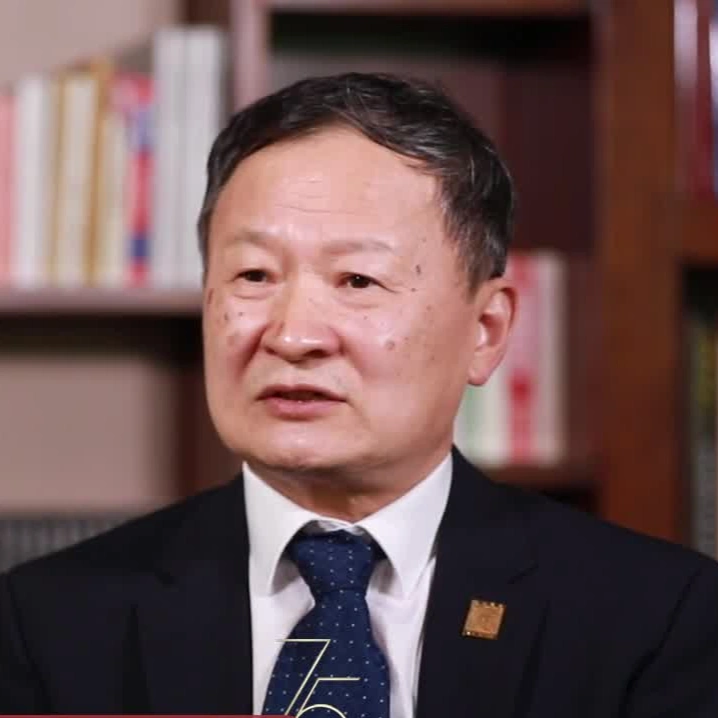
Professor Wang Xiangsui, deputy secretary-general of the CITIC Foundation for Reform and Development Studies, points out that what really deserves scrutiny is how Trump reacted after losing. He did not call his supporters into the streets as he did last time. Instead, he threatened to become the “Veto President” — vetoing whatever law the Democrats pass. It sounds tough, but on closer inspection it contains a capitulation, pure and simple.
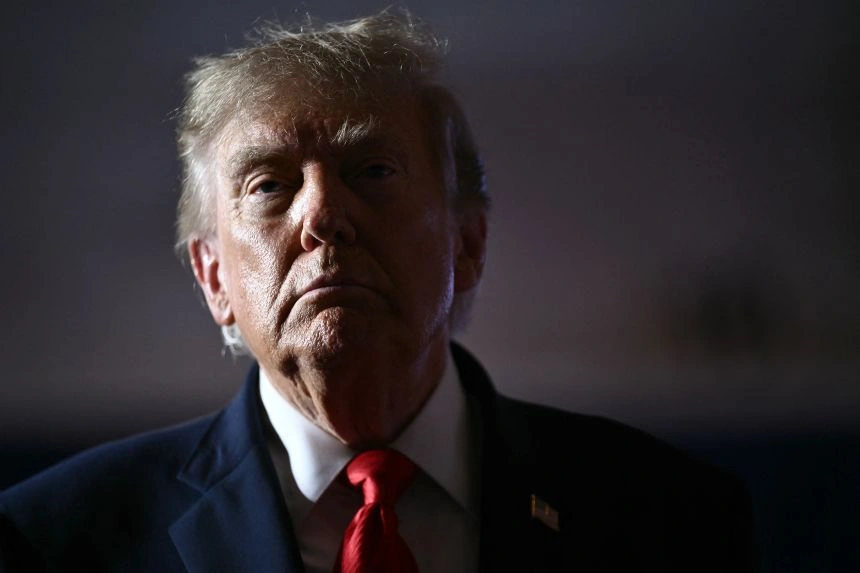
Why Did the Republicans Lose? The Iran War Was Only the Spark
To grasp the weight of that capitulation, we first have to see just how badly he lost.
There are many reasons the Republicans lost. Each defeated lawmaker may have had his or her own specific problems, but in the end the defeat was directly tied to Trump’s performance in office.
The most immediate trigger was the Iran war. It drove up oil prices, worsened the inflation that was already there, and sent ordinary people’s “misery index” through the roof. Voters expressed their discontent with their ballots, and Trump himself admitted as much. What is truly telling, however, is what he said next: given another chance, he would do it all over again — Iran must never be allowed to have nuclear weapons. That remark gets to the nature of the problem: this was not a failure of implementation but a failure of the decision itself. He chose a path that made the American people pay the price, and to this day he does not believe the path was wrong.
Another factor was the brazen corruption of the Trump family. Hunter Biden’s high-paying job in Ukraine was controversial in itself, but Biden at least said it was inappropriate; he did pardon his son in the end, but at least he struck the posture of “knowing it was wrong.” This was also the most convenient stick Trump used against Biden. Yet once Trump took office, his two sons and his son-in-law went abroad to make money, and he himself profited from information during the Iran war — even publicly telling stock investors that for a fee they could get the news early. And in his eyes, all of this was only natural. The card he had played against Biden came back to hit him in the face. This utterly unapologetic style put off even people who had supported the Republicans. The base was no longer willing to turn out and vote, and that does more damage to a party’s foundations than any policy misstep.
The “Veto President” Cap Is Really a Cap of Capitulation
After the election results came out, Trump posted an image on social media: the iconic red MAGA baseball cap, only with “MAGA” replaced by “VETO.” Soon afterwards, an identical physical cap appeared on the desk in the Oval Office. The message was clear: no matter what bills the Democrats pass once they take both chambers, I will veto them.
On the surface, this is a threat and a show of defiance aimed at a Democratic-controlled Congress. But looked at more deeply, it is precisely a compromise. And we have all seen what kind of chaos an “uncompromising” Trump can cause: he refused to accept defeat, repeatedly declared that the election had been “stolen,” incited his supporters to take to the streets, and it ended in the Capitol riot. So once he frames his argument within the use of the president’s “legal authority,” no matter how loud his voice, he has in fact chosen to accept the rules of the game and to fight inside the system.
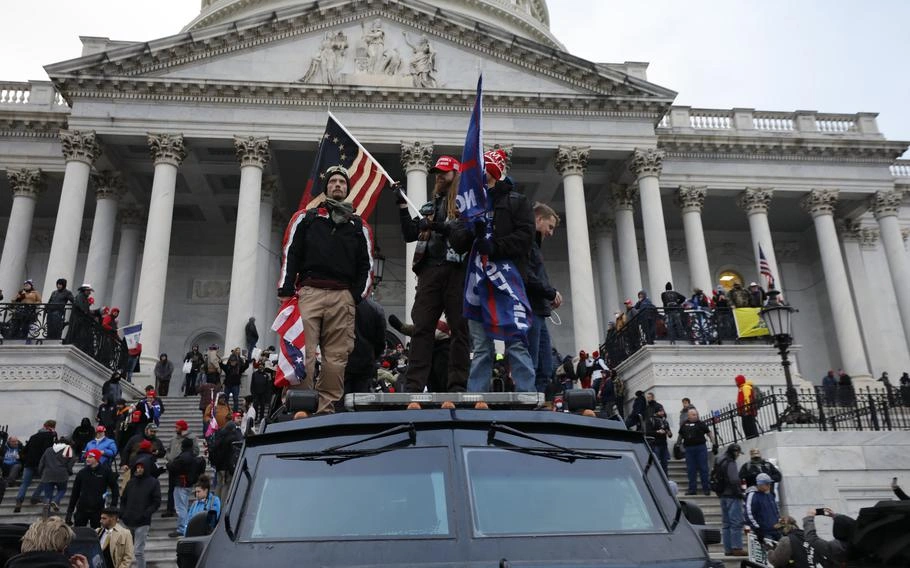
The veto is a power the law grants the president, but it also acknowledges that Congress has the power to legislate — you have the right to legislate, I have the right to veto. Trump has pulled his political defense back from “off-board tactics” into the legal framework; he no longer calls on supporters to storm the system but acts honestly within the boundaries of presidential power. The veto itself is not unlimited: which bills can be vetoed, and whether Congress can override with a two-thirds majority, are all clearly set out in law. A man who truly refuses to accept defeat would not discuss the procedural details of the veto power with you; he would simply say the election does not count. This time, Trump did not say that.
So the “VETO” cap looks tough, but in fact he is telling his supporters: I am still fighting, but this time I am fighting by the rules. For Trump, that is already a major concession.
Trump Lost, but Trumpism Did Not
Concede he may have, but Trumpism has not left the stage with him. Having lost both chambers, Trump is now a lame duck. With legislative and appropriations power gone, if he wants to build the border wall, Congress can simply refuse to fund it; the Senate handles personnel appointments, so if he wants to replace someone, the nomination may not get through. The constraints on the domestic front will be very obvious.
But that does not mean he can do nothing. The president still has the veto, executive orders, the 60-day authority to use military force, and acting secretaries to bypass the formal appointment process. He has used all these tools before, and he will keep using them. Domestic and foreign affairs are also different: domestic policy is heavily constrained by Congress, whereas in foreign affairs the president’s power is inherently greater. A president weakened at home may, paradoxically, be all the more eager to make his mark abroad.
Japan is nervous about this, fearing that Trump will bypass Japan and cultivate ties with China and Russia in pursuit of diplomatic wins. But this worry is wishful thinking — Japan cannot even get a seat at that table. In a world where China, the United States and Russia arrange global affairs, it has neither room to exert influence nor the weight to be a bargaining chip. What is more, Japan has misread its object: it thinks Trump is still the all-powerful president, when in fact Trump himself has been weakened by this election.
More importantly, Trumpism is not the property of one man. It is a strategy produced at a stage when the United States, in decline, still wants to hold on to global hegemony — paying less of the cost itself, providing fewer public goods to the world, while using trade wars, technology blockades and the securitization of everything to preserve its advantage. Democrats and Republicans share much of this logic. After Biden took office, he basically left untouched what Trump had done in his first term. So even if Trump never becomes president again, this playbook will keep running. The future may be “Trumpism in a weak-Trump period,” or even “Trumpism without Trump” — that is, even as Trump’s own weight declines, the political framework he set in motion keeps running.
From now until the new members of Congress take office in January is a relatively empty window, and it may be the last window in which Trump can still act boldly. Once the new lawmakers are seated, he will face a Congress that can legislate, control the purse strings, and hold people’s livelihoods hostage. That “VETO” cap cannot hide the fact: Trump’s remaining three years are the three years of a lame-duck president. Trumpism will not disappear, but Trump’s own era is closing its doors.
Editor: zhangyixincq