



During the “15th Five-Year Plan” period, China will launch four space-based science satellites, heading straight toward the deepest mysteries of the universe.
1. The first satellite: the Hongmeng Project — listening to the universe’s “baby cries.”
It consists of a low-frequency radio telescope array made up of ten satellites, which will collectively travel to the far side of the Moon—a naturally quiet “listening room” shielded from all Earth and solar noise.
There, it will capture faint signals from the depths of the cosmos. This mission will help reveal the secrets of the chaotic era between the Big Bang and the birth of the first stars—an epoch that lasted hundreds of millions of years.
2. The second satellite: Kuafu-2 — a mission to “look the Sun in the eye.”
Kuafu-2 will become the world’s first mission to fly over the solar polar regions, like a high-altitude photographer gazing directly at the Sun’s “North Pole” and “South Pole.”
These regions conceal the ultimate mysteries of solar magnetic activity. Understanding them will help us predict solar storms earlier and gain deeper insight into the relationship between Earth and its star.
3. The third satellite: the Exo-Earth Survey Satellite — searching for a new home for humanity.
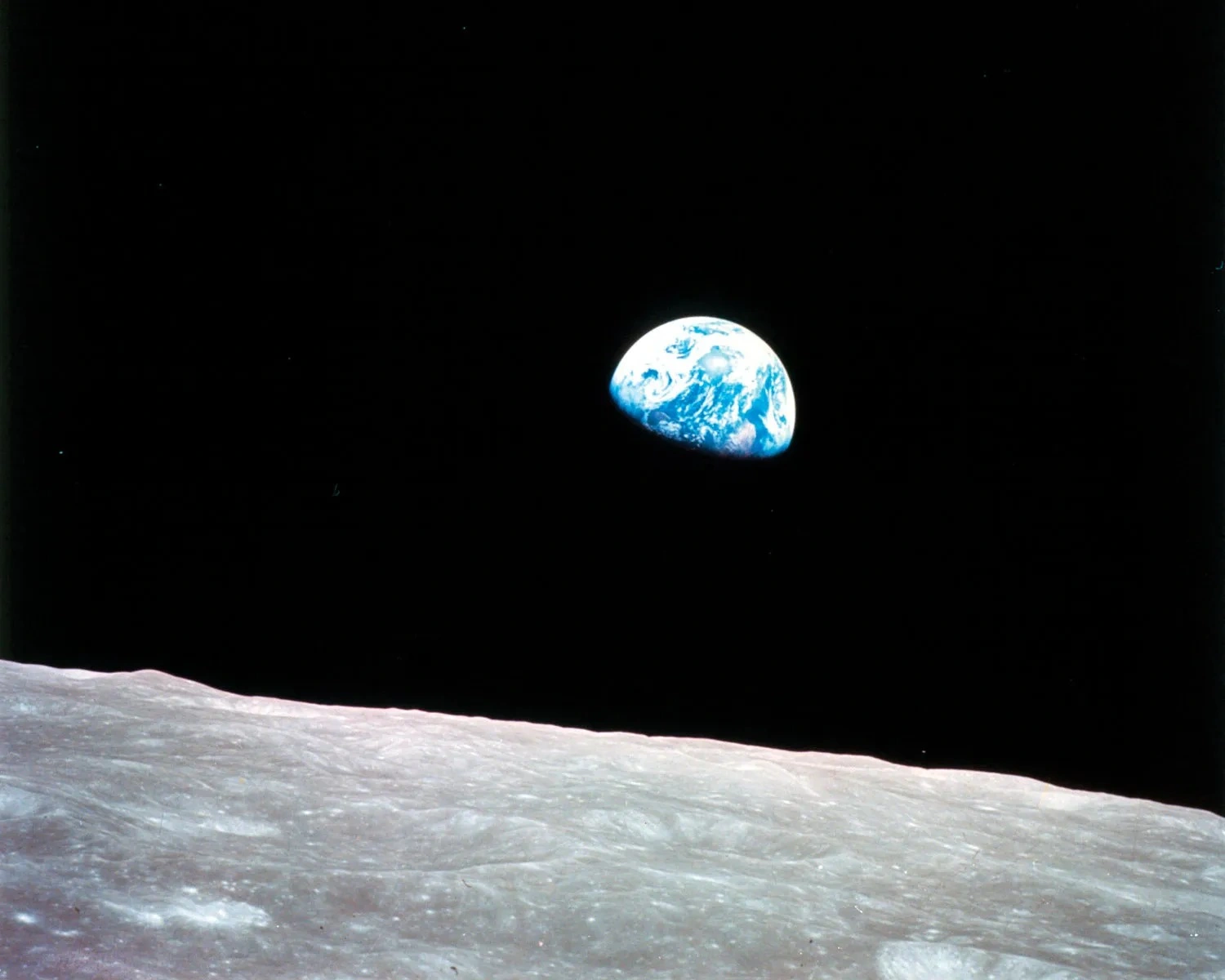
Is Earth alone? Are there other habitable worlds in the universe?
This satellite will scan the galaxy specifically for Earth-sized planets located in habitable zones—true “Earth 2.0” candidates.
In the near future, it may point us toward a long-dreamed-of second home for humanity.
4. The fourth satellite: the eXTP Space Observatory — operating beyond Earth’s atmosphere.
Its mission is to observe the “extreme forbidden zones” of the universe—such as the edge of black hole event horizons and the blistering surfaces of neutron stars.
There, gravity tears at the fabric of spacetime, and magnetic fields reach a trillion times the strength of Earth’s.
Like a master physicist conducting experiments impossible on Earth, eXTP will test Einstein’s predictions, probe the boundaries of physics, and explore the universe’s most extreme laboratories.
Editor: Zhongxiaowen
Sokamad
Wishing you great success for China and the rest of us