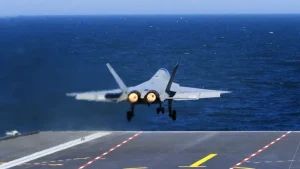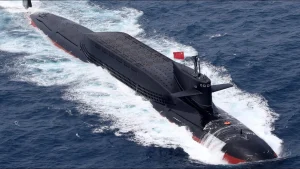




On September 3rd, China held a grand military parade to commemorate the 80th anniversary of the victory in the World Anti-Fascist War. This parade featured the highest proportion of new equipment debuts in Chinese history, reaching 84%. The first public appearance of the Dongfeng-61 ballistic missile drew particular attention from Western media—unsurprisingly, as a strategic nuclear delivery system, it carries significant strategic deterrence and political weight.
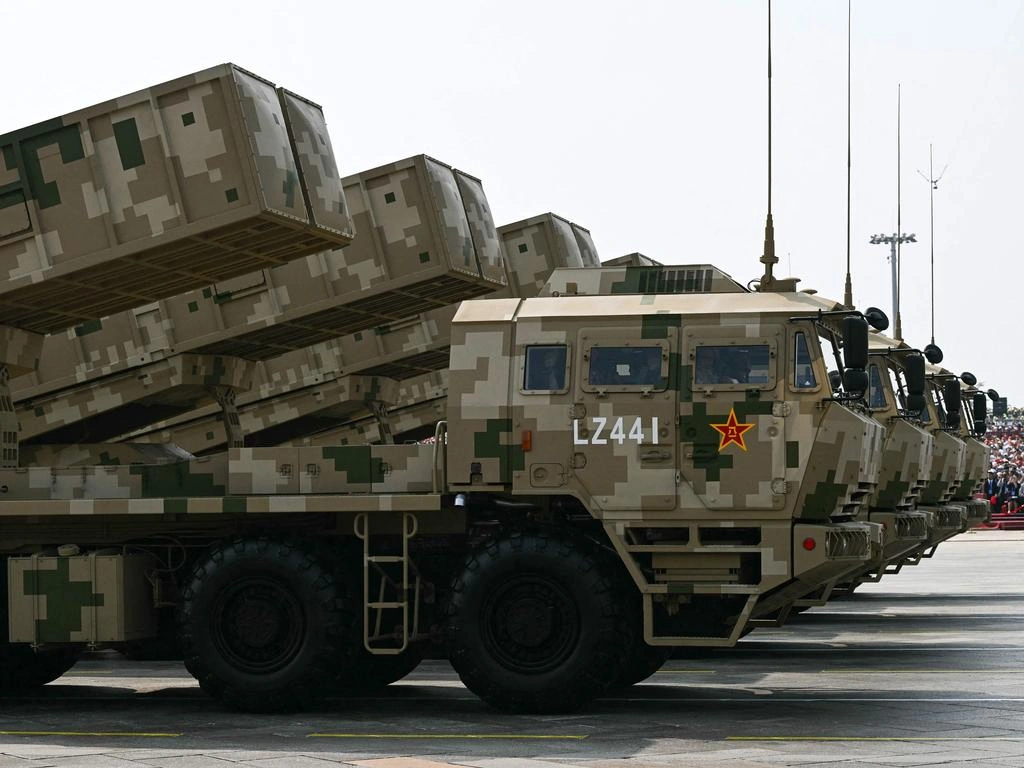
However, one strategically vital signal from the parade was widely overlooked: the near absence of traditional tube artillery in China’s artillery units. In their place stood various new types of modular long-range rocket artillery systems. These systems have made dramatic improvements in two key performance areas, ultimately rendering them more efficient than tactical nuclear bombs within China’s army combat system.
1. Significant Range Enhancement
A substantial increase in conventional munition range now allows China’s long-range rocket artillery to fulfill roles once reserved for tactical nuclear weapons—namely, “precision high-value targets destruction” and “escalation control” at the operational scale.
Take the PHL-191 long-range rocket artillery system as an example. When firing its 750mm rockets, specifically the BRE10, which has a circular error probable (CEP) of as low as 10 meters and is equipped with a massive 480-kilogram warhead — roughly equivalent to the combined explosive power of 50 standard 155mm artillery shells, or a full battery-level salvo — it can achieve ranges of 600 kilometers. Many may not grasp the significance of these distances. The most intuitive comparison is that the Taiwan Strait is only about 400 kilometers wide.
Long-range rocket artillery typically serves as division-level direct suppressive firepower. By comparison, tube artillery serving similar functions in both China and the United States, such as the most representative 155mm howitzers, can only achieve maximum ranges of around 100 kilometers when using specialized extended-range munitions. Conventional shells are limited to far shorter distances around 50 kilometers.

The PHL-191’s 600-kilometer range, however, opens up new operational possibilities for ‘artillery’. It can effectively engage high-value targets deep behind enemy lines, including command centers, logistics hubs, airfields, and troop concentrations. This capability allows it to disrupt enemy offensives during their preparation phase or isolate well-defended positions by cutting off supplies and reinforcements.
The mission of “destroying enemy offensive formations and logistics systems” was a role NATO assigned to tactical nuclear weapons during the Cold War. While using conventional munitions, the PHL-191 can achieve similar outcomes thanks to its extreme range. It is no longer merely a tactical asset—it now offers operational-scale strategic strike capabilities.
The PHL-191 is just one example of China’s modern “artillery.” It is integrated into artillery brigades directly under the command of China’s army group commands. This structure is highly significant: in conventional warfare, the commanders of China’s 13 army groups now possess strategic strike capabilities under their direct control—unlike their counterparts in many other countries, who must coordinate across air and missile forces.
Moreover, the use of tactical nuclear weapons requires lengthier approval processes and higher-level authorization. And from the moment radiation detectors begin to alarm, the battlefield spirals toward uncontrollable escalation—with no real winners. The PHL-191, by contrast, can perform some functions of tactical nuclear weapons without the radiological hazards or risks of further escalation. This “non-nuclear nuclear weapon” represents one of the Chinese army’s most strategically valuable asymmetric advantages.
2. Revolutionary Smart Munitions
A new type of smart munition has made China’s long-range rocket systems more efficient and cost-effective than tactical nuclear weapons when it comes to halting massed armored assaults and conducting battlefield interdiction.
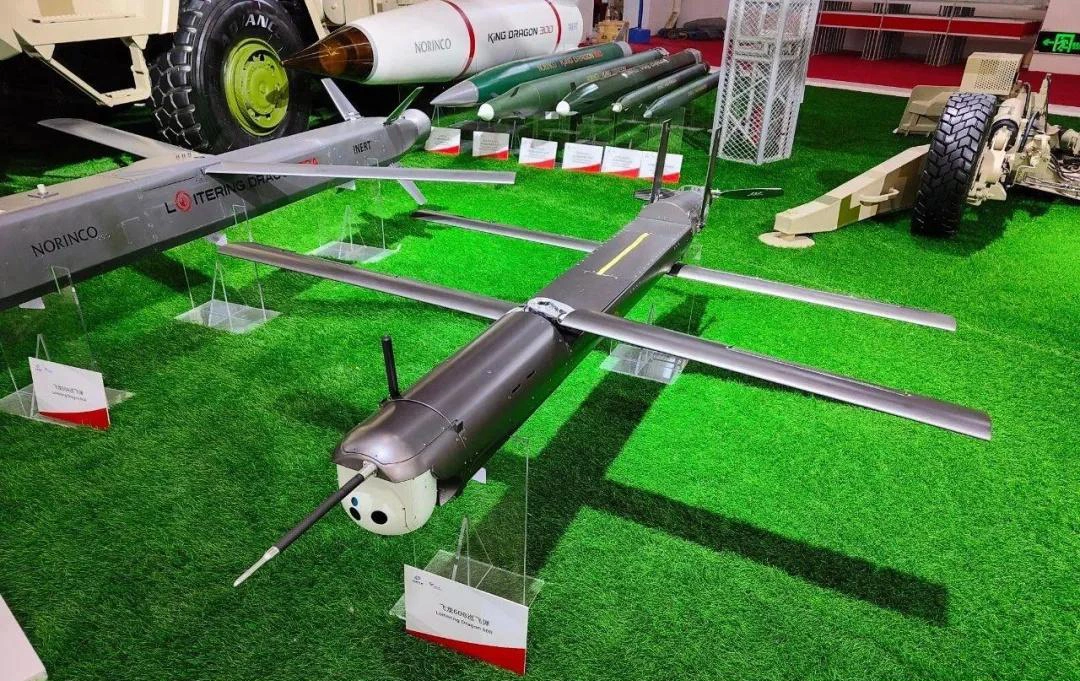
In March 2025, China’s official media People’s Daily reported a breakthrough: the “Feilong-60A,” the world’s first loitering munition designed specifically for rocket artillery. The system is stored in launch canisters and is compatible with any Chinese modular rocket artillery system.
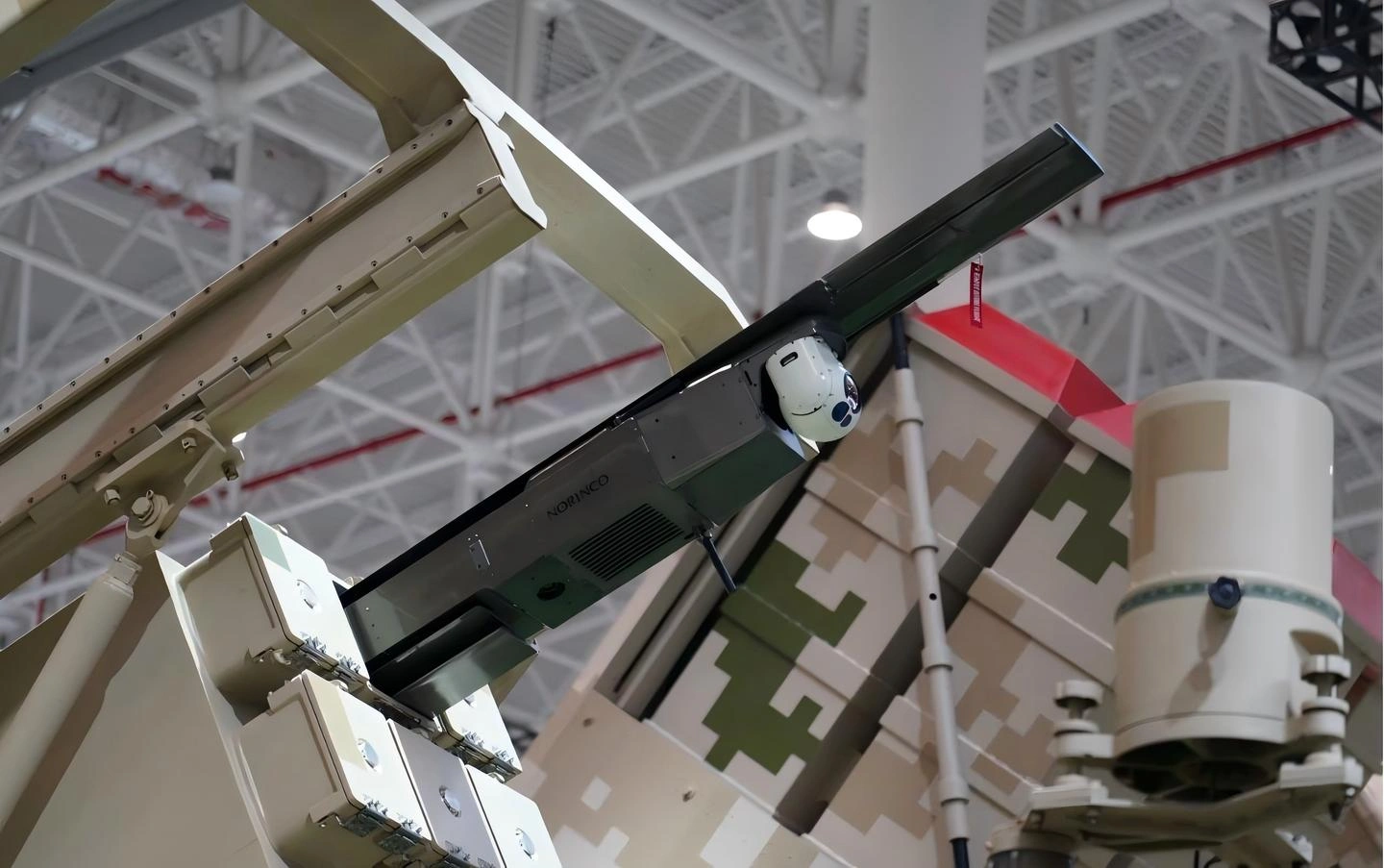
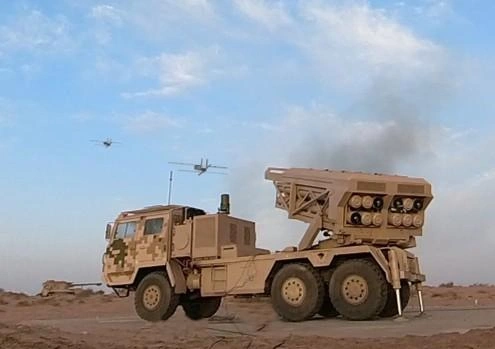
After launch, the Feilong-60A unfolds its wings and loiters in designated airspace for extended periods. During tests on the Tibetan Plateau, its electric propeller propulsion system demonstrated an endurance of up to 7 hours.
But the Feilong-60A does more than just loiter. Its onboard camera can autonomously identify ground targets and conduct precision strikes, using specialized warheads to attack the vulnerable top armor of enemy vehicles. It can also transmit real-time imagery to the launch vehicle, enabling battle damage assessment, guidance for subsequent conventional strikes, or target designation for other units.
This represents a revolutionary evolution in artillery history—effectively giving artillery its own “eyes.” Traditional artillery strikes involve six steps: reconnaissance, reporting, decision-making, assignment, firing, and assessment. The Feilong-60A allows China’s long-range rocket artillery to bypass half of these steps, greatly accelerating response time and strike precision.
As a result, these systems are both safer and more economical than traditional tactical nuclear weapons—especially when countering large-scale armored assaults.
Consider the U.S. military’s only active tactical nuclear weapon, the B61-12/-13. First, it requires delivery via aircraft, meaning it depends on air superiority and faces the risk of being shot down by air defenses. Rocket artillery equipped with the Feilong-60A faces no such constraints.
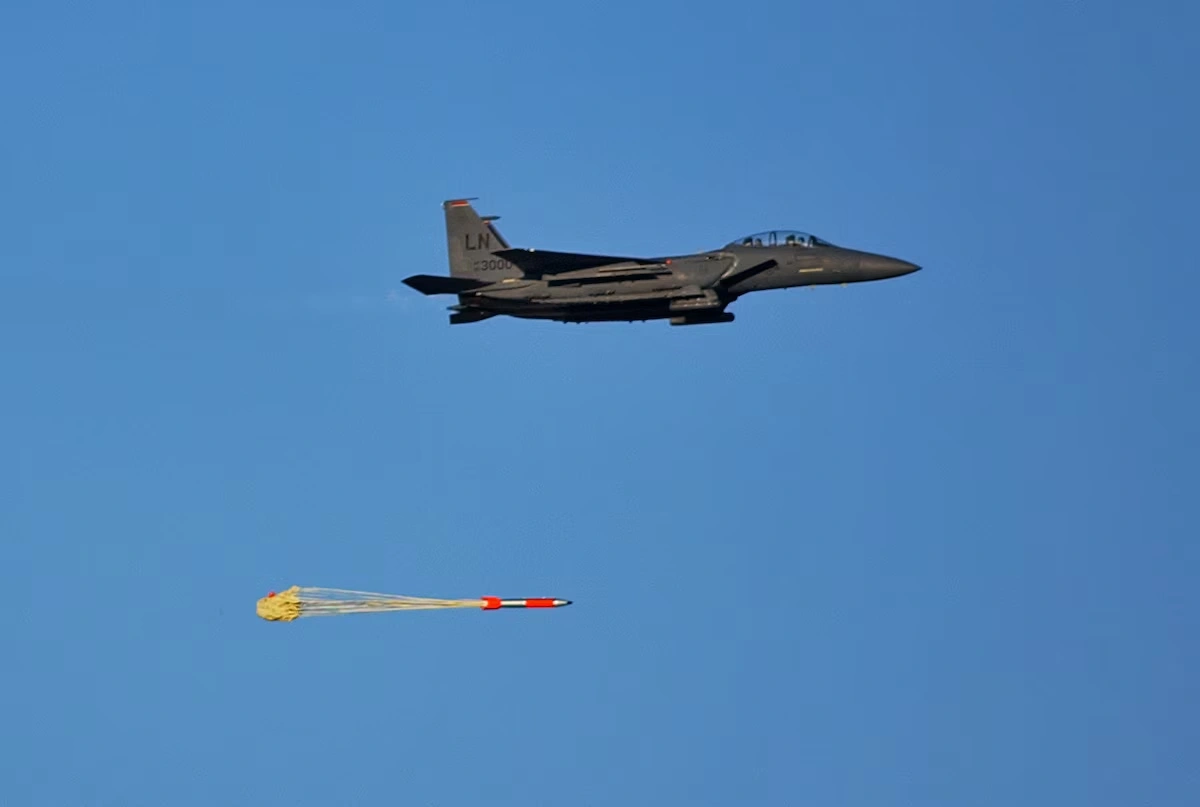
Second, Cold War-era U.S. nuclear tests—such as those during Operation Upshot-Knothole—revealed that tactical nuclear weapons have an effective kill radius of only about 2 kilometers against armored formations.
An armored brigade typically consists of 3 to 5 battalions, with roughly 100 to 200 tanks. In combat formation, such a unit may span 6–8 kilometers in width and 3–5 kilometers in depth. Destroying it would require 6 to 12 tactical nuclear weapons, each with yields between 10 and 30 kilotons of TNT.
According to the Federation of American Scientists, each B61 costs approximately $28 million. neutralizing a single armored brigade with tactical nukes could therefore cost between $168 million and $336 million. In contrast, each Feilong-60A is reported by Mena Defense to cost just $68,000. The price of 12 B61s could buy nearly 5,000 Feilong-60As—enough to conduct 25 precision-guided strikes per tank in an armored brigade—if anyone would actually use such an extravagant approach.
Furthermore, modern main battle tanks fielded by China, the U.S., and Russia all feature full nuclear, biological, and chemical protection. This allows crews to wait a minimum of 6 hours before rapidly crossing through a nuclear blast zone. The Feilong-60A, with a loiter time exceeding 7 hours, can continuously monitor the battlefield. If a second wave of armored units is detected, it can either direct additional strikes or engage directly, thereby providing longer-duration battlefield interdiction than tactical nuclear weapons. This advantage is particularly critical in homeland defense scenarios, as it eliminates any concern over the radiological aftermath and post-strike cleanup associated with nuclear weapons.
Conclusion
In summary, across multiple operational scenarios traditionally dominated by tactical nuclear weapons, China’s long-range rocket artillery systems have opened new pathways for achievement. As Chinese political commentator Wang Qiang noted, “This not only enhances the PLA’s integrated informational and firepower capabilities, but also strengthens the strategic capacity of the Chinese Army, and further improves the entire military’s joint operations system.”
China has always adhered to the principles of no first use of nuclear weapons and no use against non-nuclear states. However, if any forces mistakenly believe they can rely on larger nuclear arsenals to engage in conventional military salami-slicing tactics, promote nuclear combat, or even initiate proxy wars against China, they will face responses more resolute and powerful than those seen eighty years ago.
Editor: Charriot Zhai