

BBC Lost the Narrative on China’s Parade
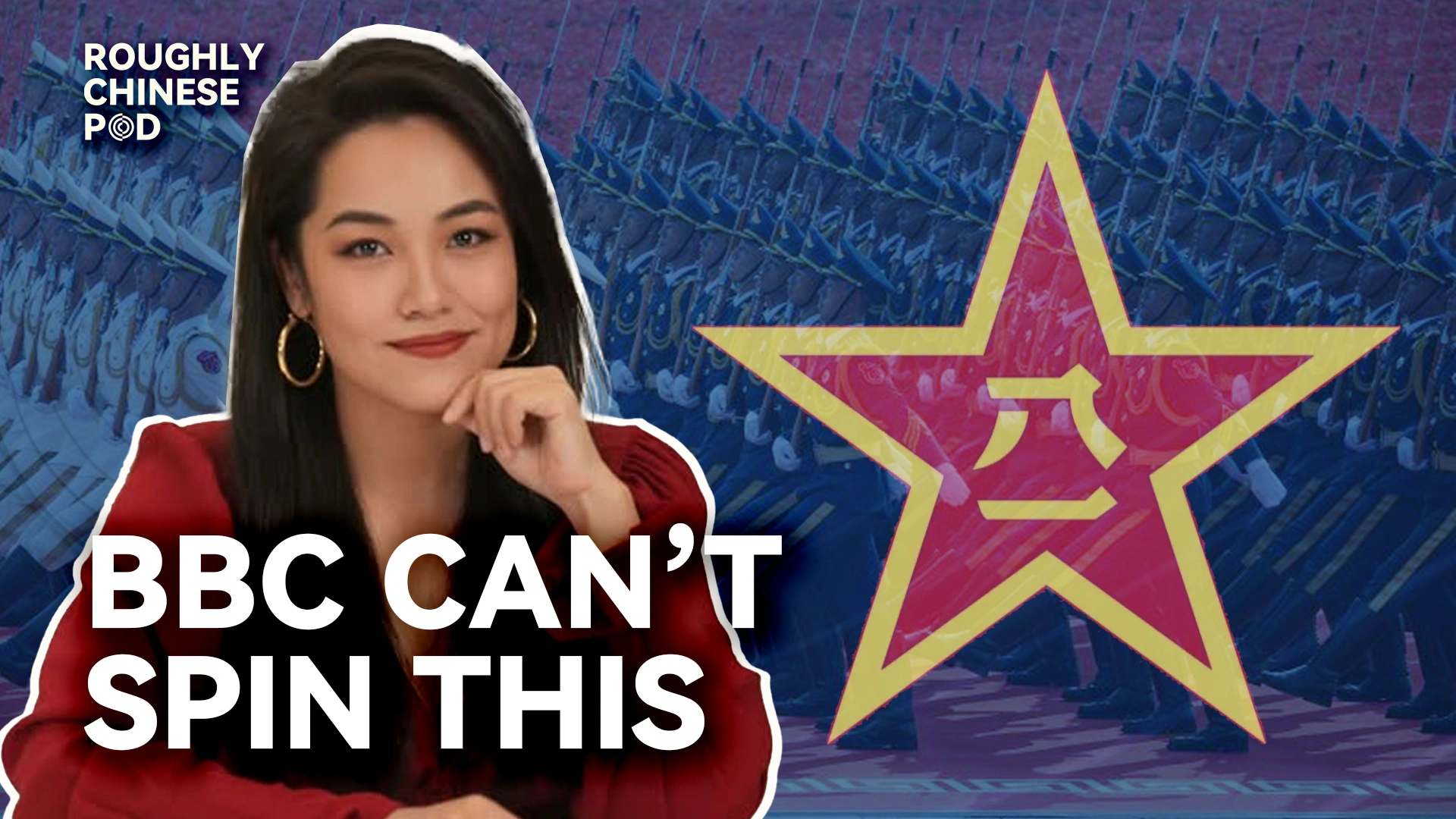
On September 3rd, China held a grand military parade to commemorate the 80th anniversary of the victory in the World Anti-Fascist War. In this episode of the Roughly Chinese Podcast, our host Mimi is joined by Li Jingjing, journalist and commentator at CGTN, to discuss how Western media responded to this event and why their double standards were not accepted. This text has been transcribed from the original podcast audio. For improved readability and comprehension, our editorial team has made necessary adjustments to punctuation, paragraph structure, and grammar. The content remains consistent with the original intent of the speakers.
Li Jingjing:
And also today, I look at some of the Western media and how they portray the military parade. It’s also very funny—none of them, actually none of them, mentioned that this is a commemoration of the victory of the Chinese people’s resistance against Japanese aggression. None of them mention that this is to celebrate the victory of the world anti-fascist war. Australia, UK, US—none of them mention that. It’s very funny. Like, shouldn’t you also celebrate that? We were allies. You also defeated fascism. Shouldn’t you also join us to celebrate this? None of them mention that, but they try to portray it as something against the United States, against Trump. They are so narcissistic. They think everything is about them. They think everything is about this one man. No, it’s to commemorate our forefathers, all the martyrs and soldiers who died in the war.
But I also love to see all the comment sections. I feel audiences, wherever they are from, are waking up to the propaganda of the Western mainstream media. BBC made toxic coverage about China’s military parade, and they even used the term “war crimes” to describe some of the people attending the event. But all the comments are saying, “What crimes?” I mean, showcasing a weapon in their own country is considered evil, but dropping bombs on other countries is not considered evil? Military strength—isn’t that the language that the Europeans understand? That’s what you said all the time. So why, when it’s other countries doing that, is it suddenly considered “evil”? That’s the mentality.
But I’m glad people are waking up to the propaganda from Western media. They’re not buying that. And also, I think it’s a clear sign of the current geopolitical shift. The world order is shifting faster than we think, and the Global South countries don’t want to be bossed around by these Western countries anymore. If there’s anything that this commemoration—the military parade—is a message to all those who try to provoke a war, it’s: “Hey, don’t mess with us; we can protect ourselves.”
So, I think it’s also a message to our brothers and sisters in Global South countries: there’s an alternative. We don’t need to be bullied around; we can protect ourselves. And also, I love the saying in Chinese: showcasing the newest and most advanced weapons is not trying to provoke a war—it’s to make sure we can maintain peace. In Chinese, we call it 以武止戈 (Yǐ Wǔ Zhǐ Gē). The real art of war is the art of stopping wars. So I’m sure China today can stop any wars—be it tariff war, cyber war, or any other type of war. We can protect ourselves.
Mimi:
Wow, I think everything you said is just so poignant and, again, very moving because, like you said, that’s all absolutely correct and all extremely necessary, especially as the new world order is shifting.