


Apple Is Testing Chinese Memory Chips From CXMT
Apple is testing memory chips made in China.
And this time, Washington once again have something to say about it.
According to reports, Apple has begun testing DRAM chips made by Chinese memory-chip manufacturer CXMT, ChangXin Memory Technologies.

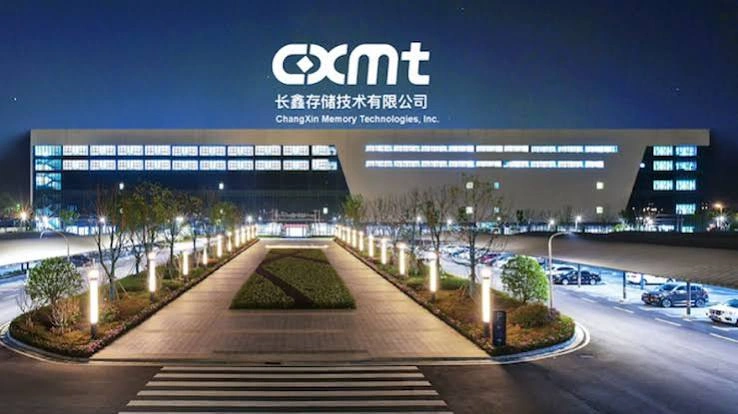
The company is reportedly considering using the chips in iPhones and Macs sold in the Chinese market.
For Apple, the logic is straightforward.
The global memory-chip market is tightening as the AI boom drives huge demand for high-bandwidth memory and other forms of memory.
Prices are rising, supplies are getting tighter, and finding additional suppliers in China simply make business sense for Apple’s China operations.
But Washington saw it differently.
U.S. Commerce Secretary Howard Lutnick has publicly said that Apple should not source the memory chips used in Macs from Chinese suppliers.
Apple may also need approval from the White House before finalizing the deal.
And this would not be the first time something like this has happened.
Back in 2022, Apple planned to test NAND flash memory from another Chinese chipmaker, Yangtze Memory Technologies, YMTC.
But after pressure from Congress and U.S. restrictions targeting the company, the plan was put on hold.
Now CXMT appears to be facing a similar situation.
Meanwhile, Micron, one of the major U.S. memory-chip manufacturers, has warned that Apple’s move toward Chinese suppliers could put additional pressure on the American memory industry.
For years, Washington has pushed to “de-risk” critical supply chains and reduce U.S. dependence on China.
But at the same time, China’s own manufacturing capabilities have continued moving further up the technology ladder.
From YMTC to CXMT, we are watching the same story play out again.

And what this really shows is how much the global semiconductor industry is changing.
The progress made by Chinese memory-chip companies reflects years of investment and technological development.
And global supply chains, by their nature, tend to form around efficiency, cost and comparative advantage.
Whether Apple ultimately uses CXMT chips remains uncertain.
But for companies operating between globalization, national security and increasingly fragmented supply chains, choices that once looked purely commercial are becoming much more complicated.