

This summer, news of Europeans crossing borders to snap up Chinese air conditioners sparked discussion. Air conditioners are not cutting-edge products, so this incident itself may not warrant overinterpretation. However, it raises a larger question: Why do European politicians continue to erect barriers against China—even though they know full well that doing so harms the well-being of their citizens? The answer lies not in air conditioners, but in the transatlantic dynamic—the root cause of Europe’s contradictory policy toward China lies in its subservience toward the United States.
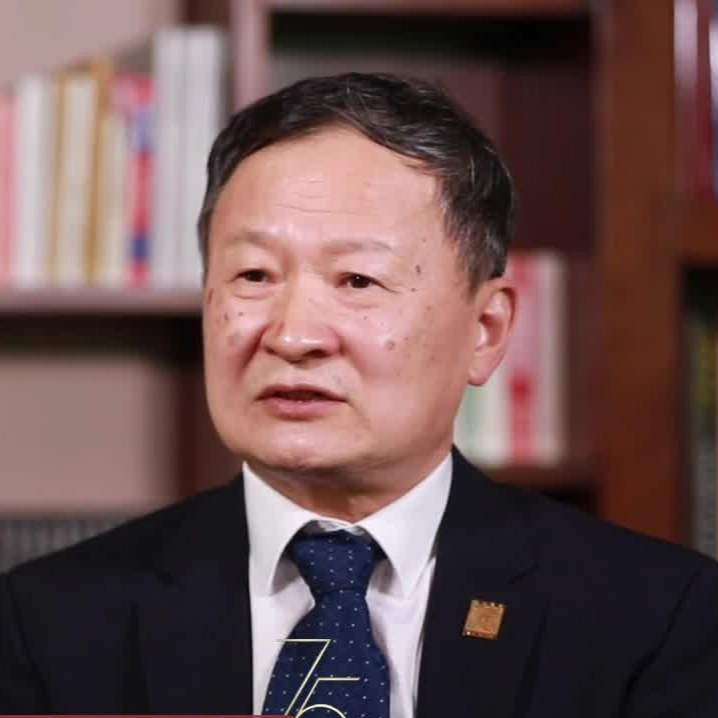
Professor Wang Xiangsui, a Chinese strategist and Deputy Secretary‑General of the CITIC Foundation for Reform and Development Studies, notes that Europe is not unaware that Donald Trump does not have Europe’s interest at heart. But Europe’s structural dependency leaves it with no alternative but to “play dumb” in order to curry favour with the US, using a tough line on China as a “token of loyalty.” China, for its part, no longer expects Europe to “suddenly see the light” and has shifted its approach toward a reciprocal game.
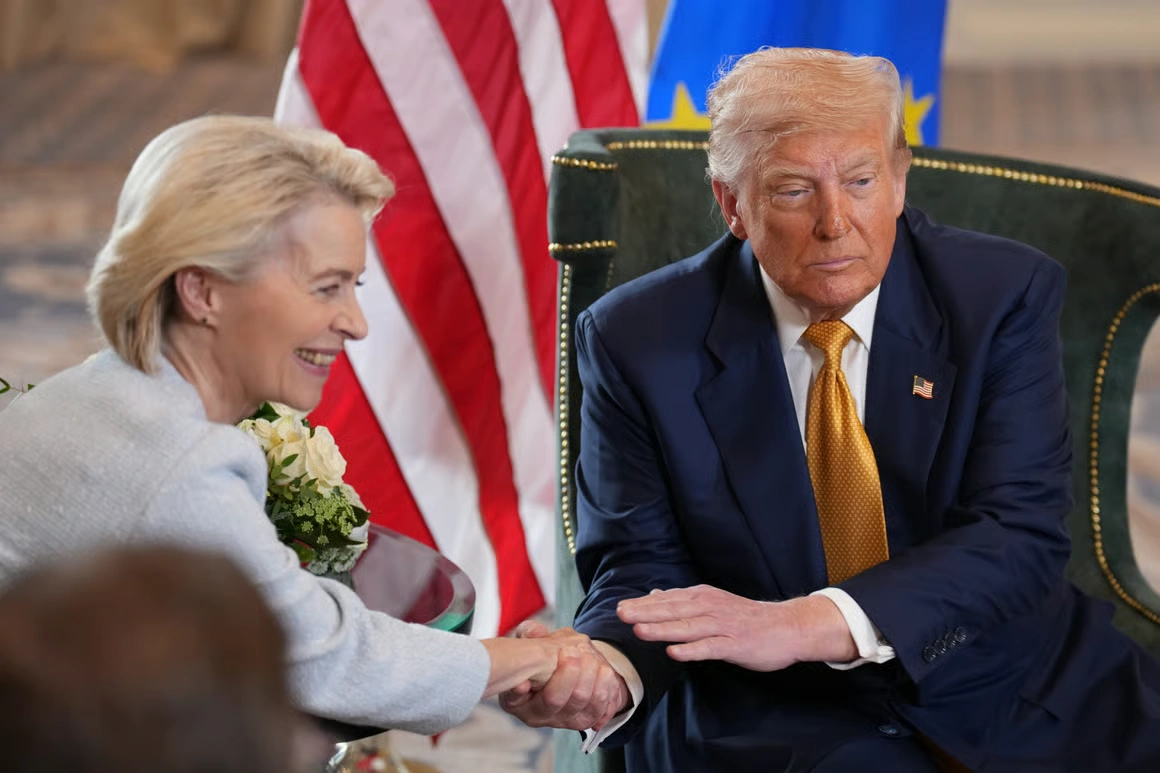
I. The Flip in US‑Europe Relations: From “Father‑Son” to “Master‑Servant”
The relationship between Europe and America is far more complex than many imagine. The US began as a British colony – in a sense, Europe was the “parent” of America. However, the United States broke away from Europe through the War of Independence, and in terms of religion, Protestantism diverged from Catholicism, which was dominant in Europe. Therefore, from the very beginning, there has been a cultural bond between Europe and the United States, as well as ideological and economic competition. This tension between separation and connection has always existed between the United States and Europe, and it will resurface in different forms in the future as times change.
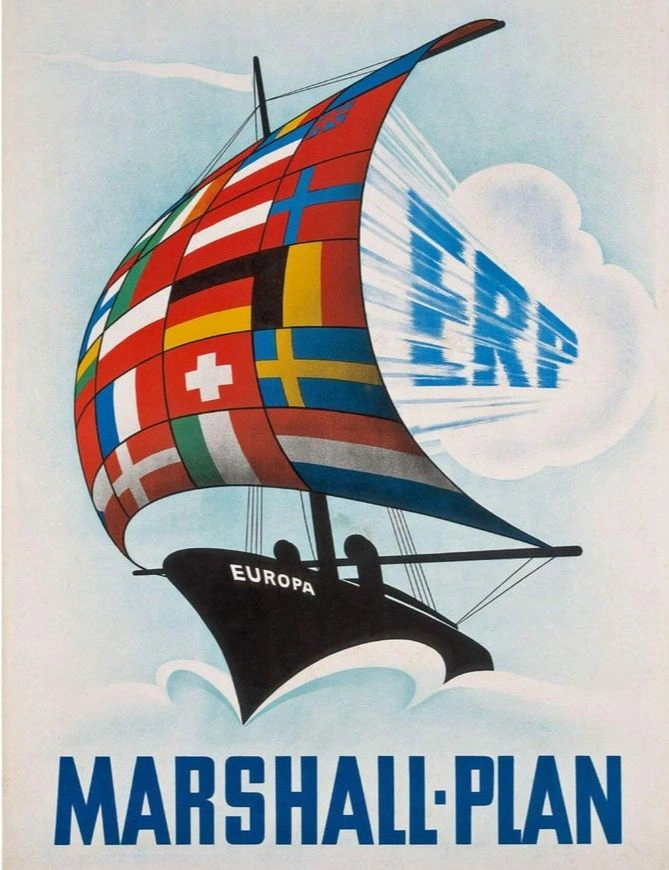
The two World Wars completely reversed this dynamic. In World War I, the US began to intervene heavily in European affairs; after World War II, Europe essentially relied on the US to defeat Hitler. The Marshall Plan then helped revive Europe’s economy, but also firmly incorporated it into the US security system – NATO troops, the nuclear umbrella, intelligence sharing – putting Europe’s security lifeline firmly in American hands.
This process can be summed up as: originally America was born of Europe, but after gaining independence, and through the two world wars, it turned Europe into its vassal.
This dependency is reflected in Europe’s own structure as a grotesque state: economically it is still a giant, politically a dwarf, militarily a pygmy. Shortly after the euro was launched. NATO, meanwhile, is more like a dog leash that the US has put around Europe’s neck – and now Washington is tightening that leash, demanding that Europe pay more for its own defence.
Does Europe accept this willingly? No. Charles de Gaulle once represented the dream of European honour and independence, and the European Union was created precisely to become an independent pole on the world stage. But the EU’s design has a fatal flaw – a single currency, the euro, but no unified fiscal policy, let alone an independent defence capability. This half‑built architecture cannot support genuine strategic autonomy.
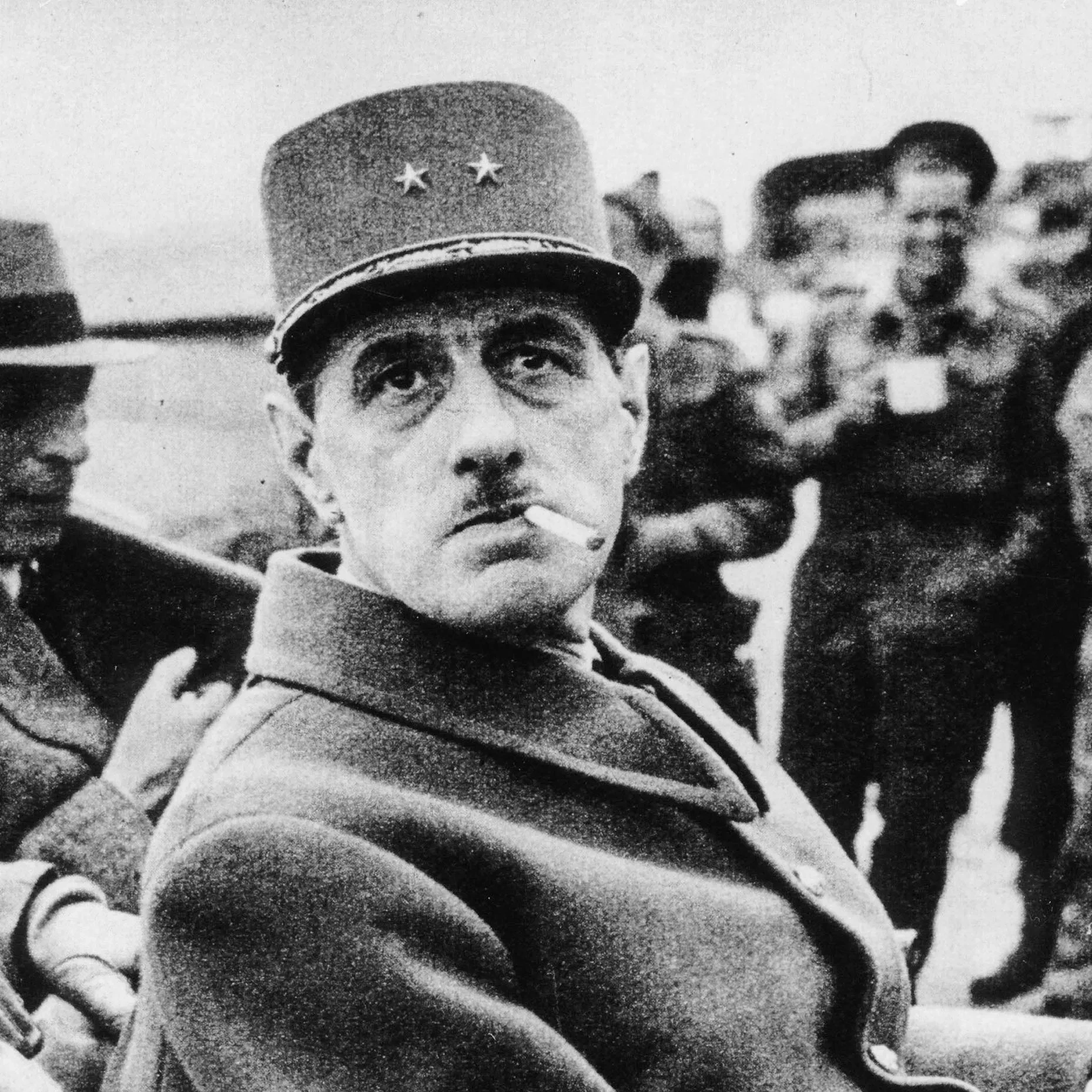
At the 2026 NATO summit, a journalist asked Secretary‑General Mark Rutte: ” you sit next to Donald Trump in moments where he talks about conquering Greenland……does this have any effect on your self-respect when you sit next to him like that and say nothing” Rutte ignored the question. European media felt that Europe’s undignified pandering to the US had become embarrassing to watch. But this is Europe’s dilemma – given its own strength and structural constraints, it can only cling to the US, relying on Washington for security and for a say in world affairs. This “stupidity” is more like “playing dumb” – a helpless choice.
II. How Europe’s Subservience to the U.S. Distorts Its China Policy
This deep‑seated dependency on the US directly distorts Europe’s attitude toward China. In 2019, the EU issued a strategic document on China, defining it in three roles: a cooperation partner in economic affairs, a strategic competitor, and a systemic rival. The “systemic rival” dimension meant that Europe had to take an ideological stand with the US, treating China as a country to be guarded against and contained.
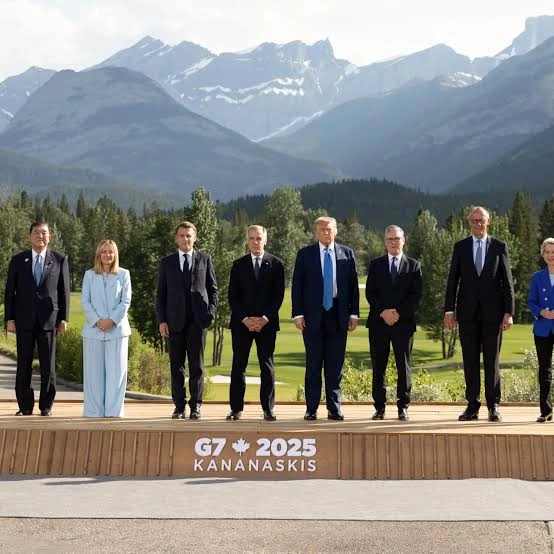
Logically, the designation “systemic rival” should align Europe with its “systemic ally,” the US. The problem is that the US has changed enormously in recent years. Under the Biden administration, at least there was talk of ideology and value‑based alliances; but after Trump came to power, his attitude toward Europe became brutally transactional – demanding money, higher defence spending, and trade surpluses, with no respect whatsoever. In such circumstances, Europe’s choice remains to echo the US in NATO’s Asia‑Pacific containment efforts, to back the Philippines on the South China Sea issue, to impose tariffs on Chinese electric vehicles, and to roll out a string of restrictive policies.
Why does it do this? Professor Wang Xiangsui’s judgment is sharp: “Although opinions within “Europe” may still be divided, the policy direction ultimately adopted by the “EU” is to curry favor with the United States by cracking down on China.”
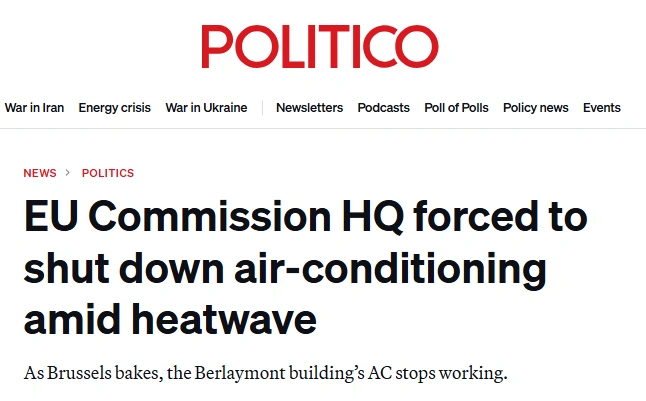
That sounds absurd, but the logic is self‑consistent – Europe cannot afford to lose the US on security, and it also needs US backing economically and politically. In front of the US, it has little bargaining power, so it can only offer a “token of loyalty” by taking a hard line on China and suppressing Chinese products, in exchange for continued security protection. European politicians like Ursula von der Leyen, who closely follow the US on China policy, do so precisely for this reason. What’s even more absurd is, according to a report by POLITICO, while the sweltering heat posed a life-threatening danger to citizens, and while the AC systems on the floors housing many ordinary staff at the European Commission headquarters were shut down due to “extreme weather conditions,” there were no restrictions whatsoever on the use of air conditioning in the offices of some senior EU officials, including von der Leyen—it’s as if a new caste system has emerged within Europe.
But the problem is: the more Europe does this, the less respect it gets from the US. Trump’s demands for Greenland and for NATO members to increase defence spending will not be softened one bit by Europe’s cooperation on China policy. Europe thinks it can buy respect with a tough stance on China, but in fact it only invites more US demands. This is a dead end, but for now Europe has no other way.
III. China No Longer Bends – Cooperation for Cooperation, Confrontation for Confrontation
Faced with such a Europe, China’s strategy is also changing. China once had high hopes—and perhaps even overly high expectations—for China-EU cooperation and the global multipolarity that would result from it. However, after many years of engagement with Europe and the European Union, China has ultimately learned to adjust those unrealistic expectations.
At the top level, China continues to maintain the framework of its strategic partnership with the EU and does not actively seek bloc‑confrontation. Its global strategy still opposes hegemonism and promotes multipolarity, and it does not push Europe into becoming an enemy. This framework remains unchanged and will not change lightly.
But at the tactical level, the adjustment is clear: from the old approach of “unilaterally making concessions in exchange for cooperation,” China has moved toward “reciprocal countermeasures.” If you engage in protectionism, I will take matching measures; if you impose tariffs on electric vehicles, I will investigate your brandy and pork; if you back the Philippines on the South China Sea, I will make formal diplomatic representations. Cooperation for cooperation, confrontation for confrontation. In game theory, this is a tit‑for‑tat strategy – if you betray once, you will feel the pain once. China no longer makes one‑sided concessions, nor does it harbour illusions that concessions will buy goodwill.
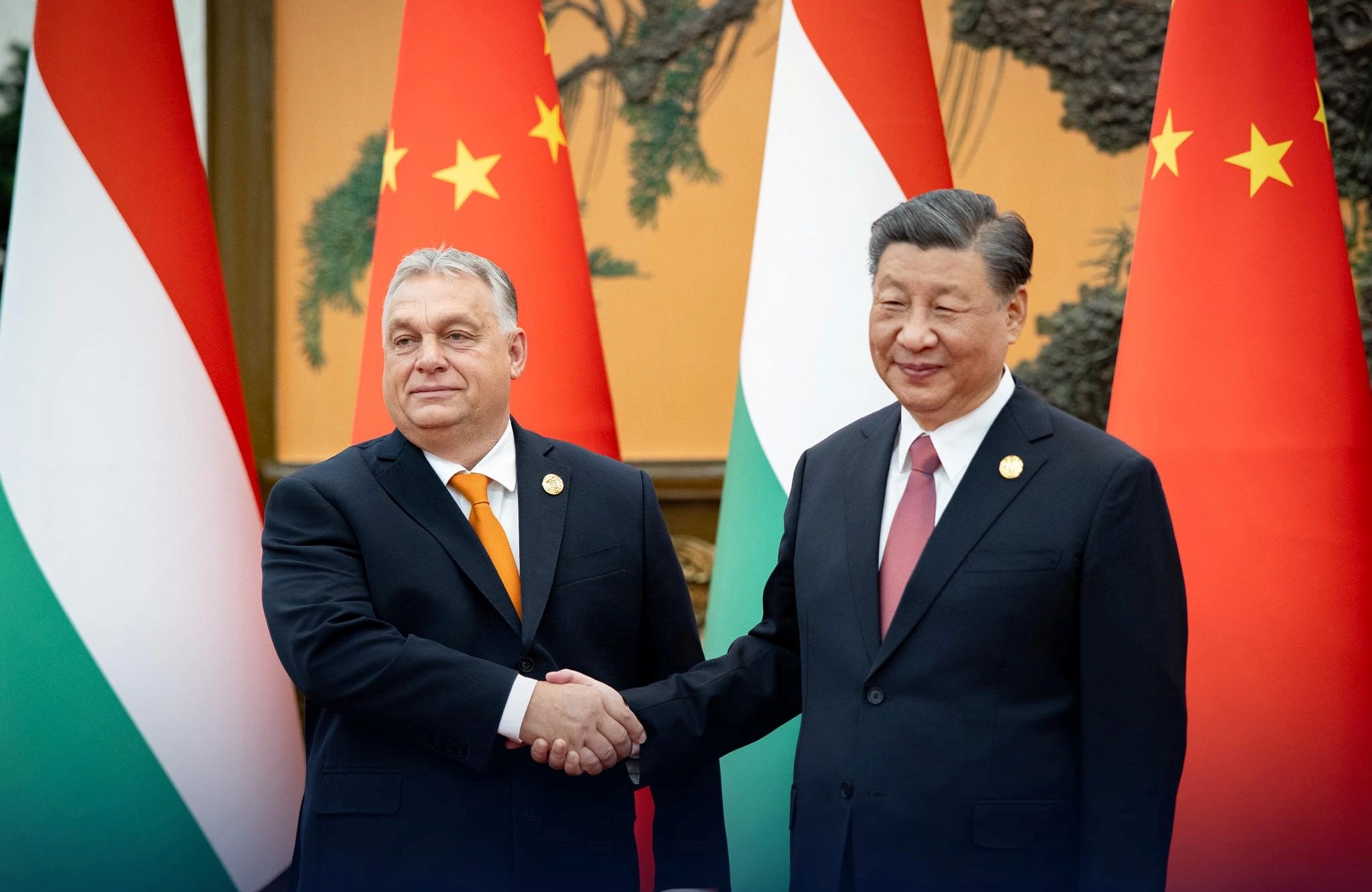
Operationally, China no longer treats the EU as a monolith, but learned to adopt a differentiated approach. Hungary has actively introduced BYD to build a plant, so China strengthens cooperation with Hungary; Greece cooperates with China in operating the Port of Piraeus, and China deepens that cooperation; Spain and Italy also have their own cooperative spaces. While expanding its “circle of friends” within the EU, China also counteracts those countries that act most aggressively, making sure they pay a price. It does not put all its eggs in one basket, nor does it allow any country to think it can take a hard line on China without consequences.
China has now accepted the judgment that Sino‑European differences are not short‑term but normalised. Hence its strategy has also normalised: no rush, no panic, no unilateral concessions – business as usual.
The air‑conditioner episode offers China an additional insight: besides intergovernmental trade negotiations, there is another path – winning the hearts of European citizens. European politicians build walls against China to please the US, but in the end, it is the quality of life of ordinary Europeans that pays the price. And the internet is making this cost increasingly visible and audible.
Who is paying for Europe’s subservience to the U.S.? The answer is becoming ever clearer. China no longer expects Europe to suddenly wake up; instead, it treats the relationship as a long‑term game – “you play your game, I’ll play mine.” When Europe comes to its senses and is ready for equal cooperation, China’s door remains open; if it continues to build walls, those walls will not stop public opinion, nor will they stop China’s reciprocal responses.
Editor: zhangyixincq