

Recently, the “1260H List” published by the U.S. Department of Defense has drawn widespread attention, with several Chinese companies including WuXi AppTec and BYD being added. What exactly is this list? How is it different from the U.S. Department of Commerce’s “Entity List” and the Treasury Department’s financial sanctions? Will companies on the list really have their “throats squeezed”?
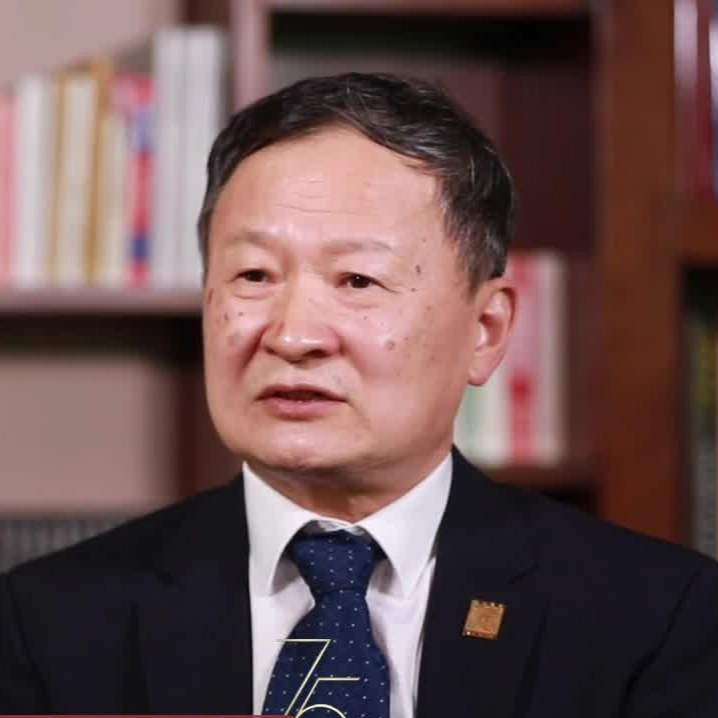
Professor Wang Xiangsui, a senior researcher at the CITIC Foundation, points out that to understand the real impact of the 1260H List, one must first distinguish between the three different U.S. regulatory systems targeting China. Once that is clear, it becomes apparent: being on the list can mean anything from a minor reputational stain for some, to a stranglehold on lifelines for others.
I. What exactly is the 1260H List, and what impact does it have?
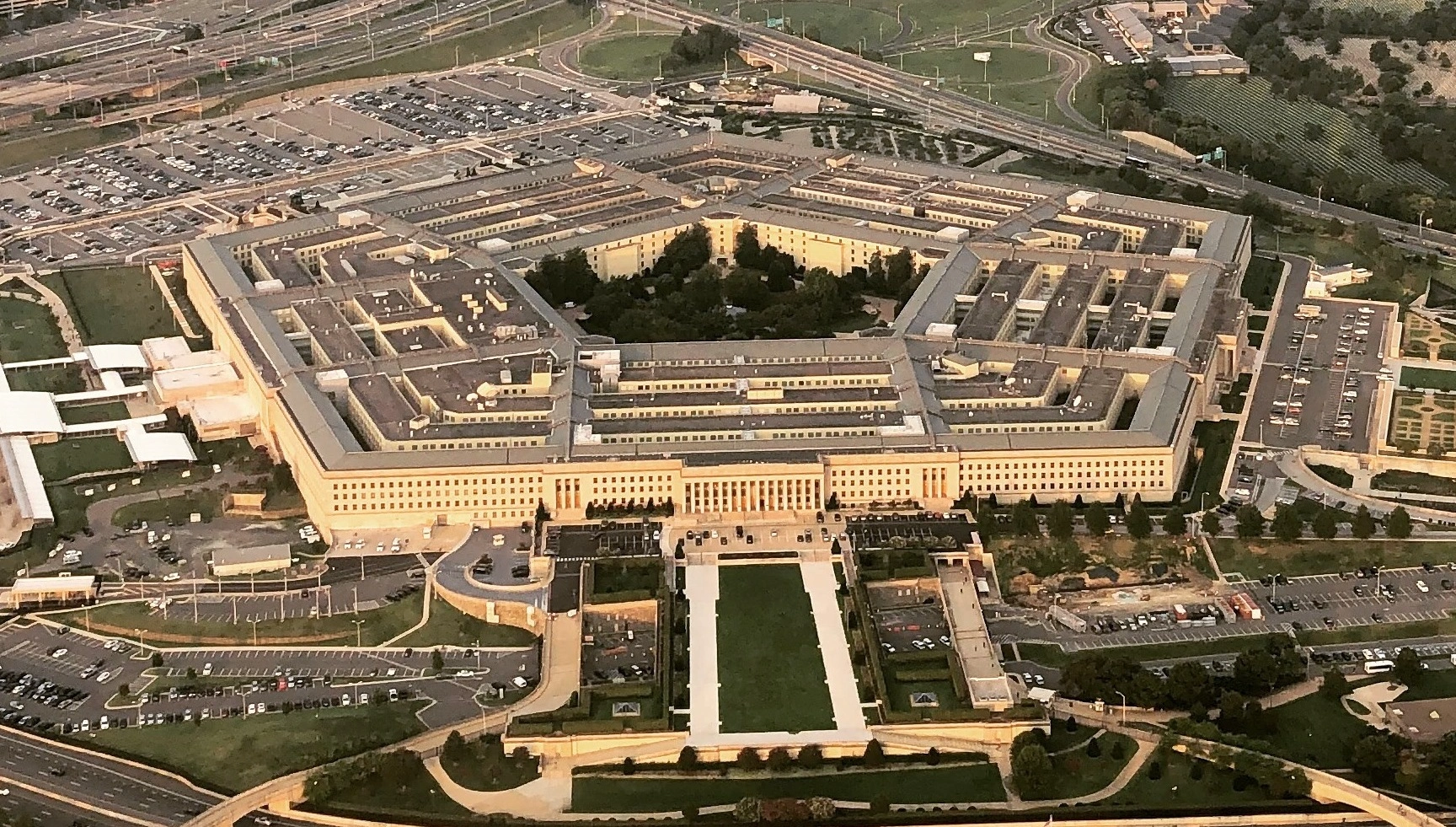
To understand the 1260H List, it is first necessary to distinguish between the three main U.S. regulatory lists targeting China: the 1260H List issued by the Department of Defense, the Entity List issued by the Department of Commerce, and the financial sanctions administered by the Treasury Department’s Office of Foreign Assets Control (OFAC).
The main feature of the 1260H List is that it is a list of Chinese military companies. According to relevant regulations in the United States, starting from June 30, 2026, the Department of Defense is not allowed to sign new contracts with listed companies. At the same time, it carries a strong “labeling” effect: once a company is designated as “military-related,” international investment funds often divest for compliance reasons, and overseas partners may become hesitant. In short, its logic is “we won’t buy.” The Commerce Department’s Entity List, on the other hand, focuses on export controls and technology blockades. U.S. companies are prohibited from selling U.S. technology, chips, software, components, etc., to entities on the list – a “we won’t sell” approach, a classic “stranglehold” tactic. The Treasury Department’s financial sanctions are the harshest, including asset freezes, cutting off access to the U.S. dollar settlement system, and even blocking assets.
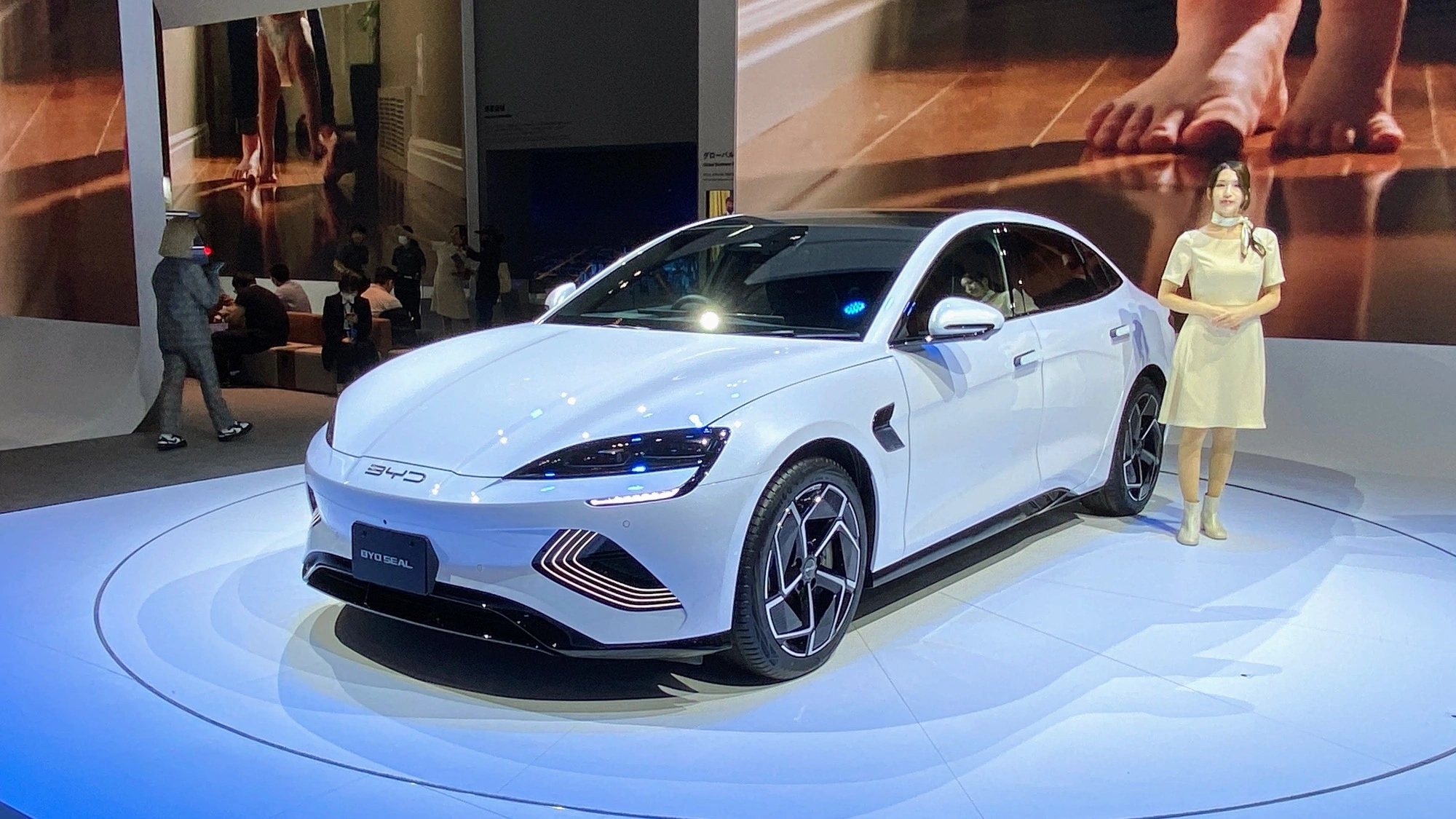
Among these three, the 1260H List represents a moderate level of impact. It does not ban exports or freeze assets; it mainly prohibits U.S. government procurement, along with generating public pressure. However, even being on this same list, the impact on different companies can vary dramatically. BYD and WuXi AppTec represent two opposite extremes.
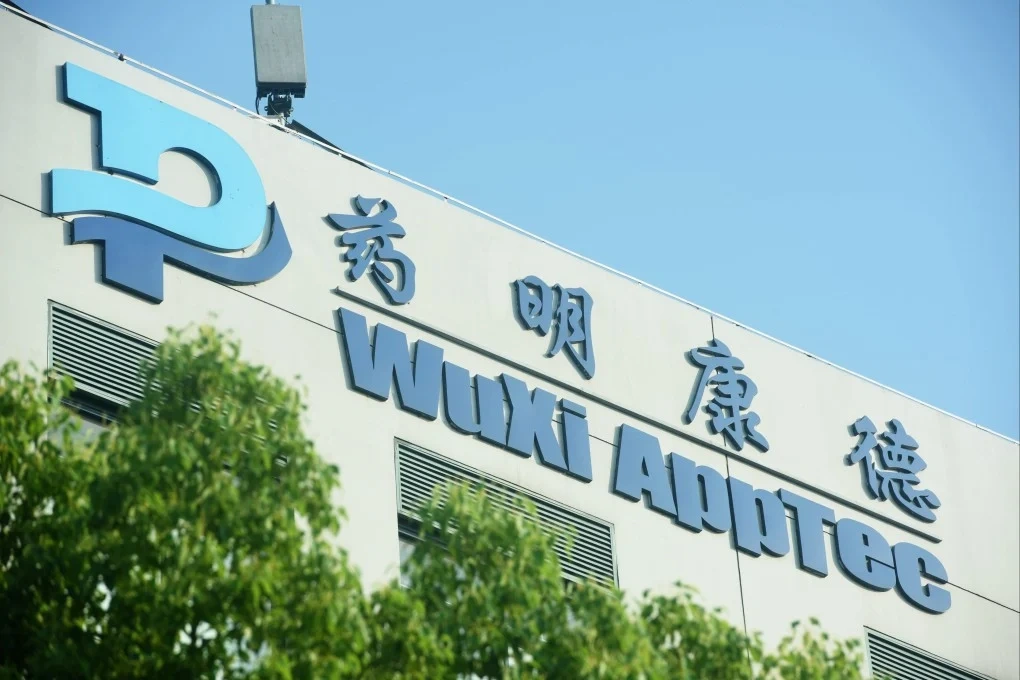
Although BYD has a strong overseas presence, it has no procurement dealings with the U.S. military and virtually no vehicle sales in the U.S. Its civilian technologies are also not affected by export controls. Therefore, this list has a negligible actual impact on BYD’s business, at most causing slight fluctuations in its capital market valuation. In contrast, WuXi AppTec has been severely affected. It is highly dependent on the U.S. market, with approximately 64% to 72% of its revenue coming from the U.S., and almost all of its top ten U.S. pharmaceutical clients are customers. Once labeled “military-related,” its compliance costs skyrocket, orders may be forced to transfer, and financing and operations could suffer heavy blows. Ultimately, the impact of the 1260H List depends entirely on a company’s degree of reliance on the U.S. market, especially its exposure to the U.S. government procurement system.
II. The list reflects hostility towards China, but is not a sign of the President “turning hostile”
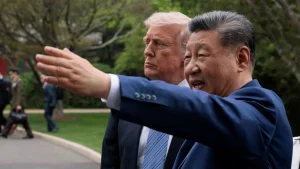
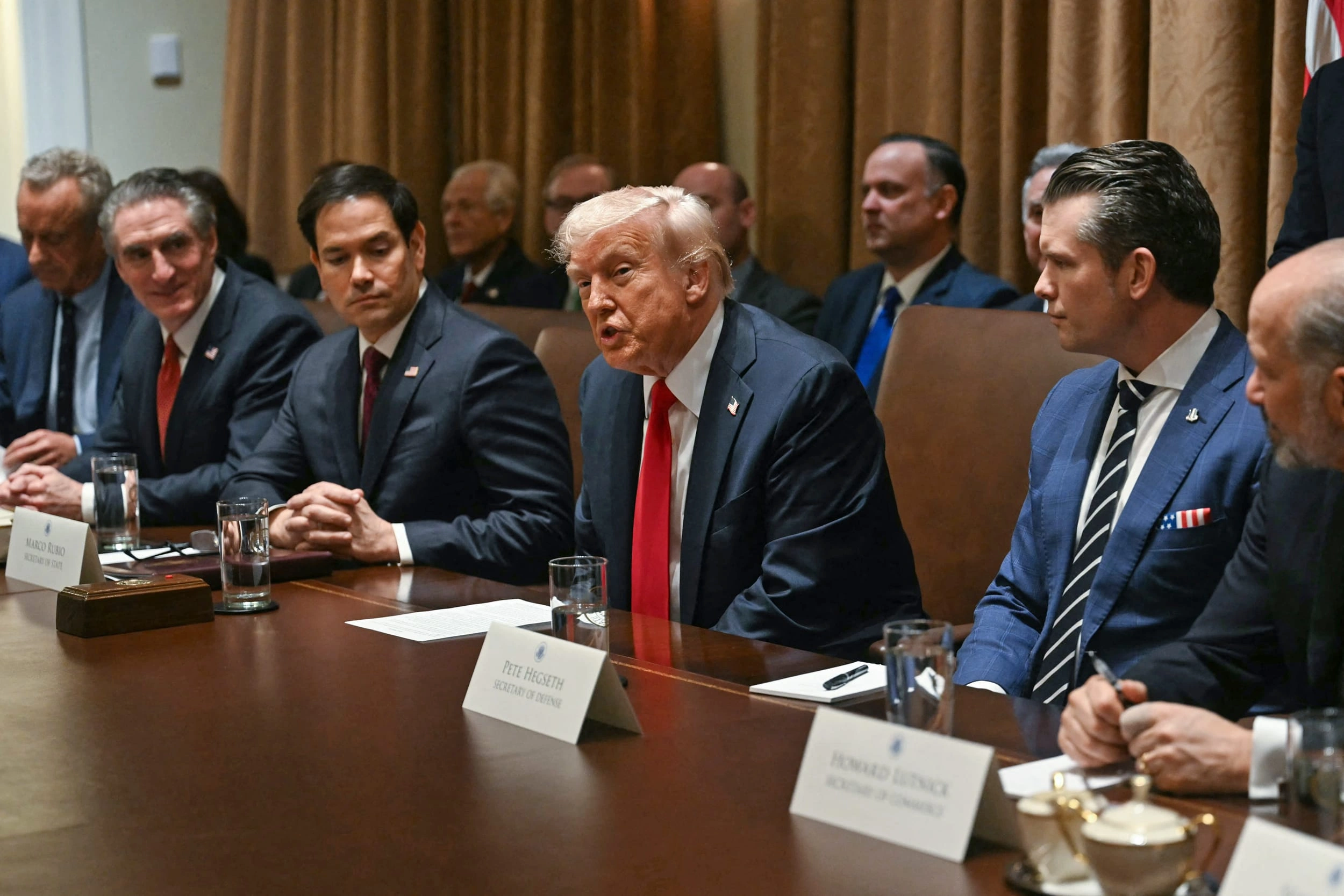
President Trump showed respect for China during his visit, yet the 1260H List was released a month later. This easily reminds people of the “turnaround” in 2017 when he launched a trade war shortly after visiting China. In fact, these two actions cannot be simply compared.
The trade war was a major strategy personally approved by Trump himself, whereas this list is merely a departmental action by the Department of Defense, much lower in level and severity. However, it does reflect the consistent hostility of the Trump administration and its various departments towards China – viewing China as an adversary rather than a partner.
As for the true sign of a “turnaround,” one should really watch arms sales to Taiwan – the deal that was shelved before Trump’s visit has not yet been approved. As long as arms sales to Taiwan are not restarted, a single Department of Defense list is not enough to conclude that his personal attitude has undergone a dramatic change. Trump never acts predictably. What really needs watching is whether he takes substantive action on the Taiwan issue after returning home.
III. Lawsuits in the U.S. are costly; legal countermeasures by the Chinese government are more reliable
In response to this list, several listed companies have issued statements indicating they will take legal action to defend their rights. Xiaomi previously succeeded in being removed from a similar list through litigation, because the U.S. determination of “military-related” was clearly overbroad – for example, any connection with SASAC was deemed related to the military industry, which is difficult to justify in court. Therefore, litigation is a possibility.
However, litigation costs in the U.S. are extremely high. For a company like BYD with limited impact, litigation is of little significance; and WuXi AppTec has filed a lawsuit against this on the 11th. We can observe the subsequent development, but it may be difficult to have high expectations for the outcome of the lawsuit.
A more reliable path is legal countermeasures by the Chinese government. Regarding the discriminatory policies and various “lists” of Chinese companies by the United States, China already has a growing set of tools. For instance, under the “Rules on Counteracting Unjustified Extraterritorial Application of Foreign Legislation and Other Measures,” China can issue a prohibition order, declaring that it does not recognize, enforce, or comply with the U.S. list domestically. This approach was tested in May regarding U.S. sanctions on Iran, so the path is established. Simultaneously, under the “Anti-Foreign Sanctions Law,” China can name and impose targeted sanctions on U.S. officials and executives of Defense Department-related companies who pushed for the list – and could even name U.S. military-industrial companies such as Raytheon, Lockheed Martin, and some military-related Silicon Valley firms.
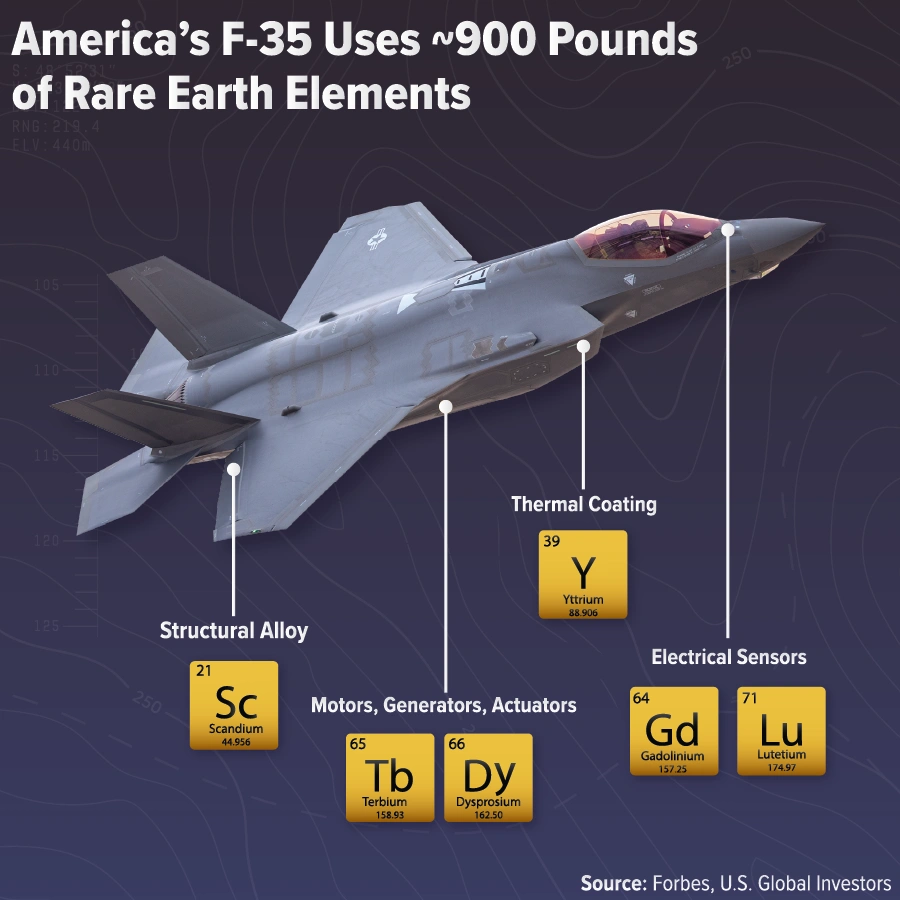
Furthermore, export controls are a powerful countermeasure. China holds advantages in areas such as rare earths, tungsten, pyrotechnics, and high-energy explosives. The U.S. F-35 fighter jet relies on rare earths. If the U.S. continues to pressure, China can fully adopt a “if you don’t buy, we won’t sell” approach. Market and tariff levers, multilateral rules litigation, and independent corporate rights protection are all available tools. The government should do what the government should do, companies should do what companies should do, and public opinion should be voiced where appropriate. Compared to the start of the trade war in 2018, China is now much more composed. It could even be said that this Department of Defense list, which even includes Alibaba, reflects a rather crude level of research on China policy, almost seeming “desperate.”
IV. The U.S. will not cut off its own lifelines; the list is more political posturing than actual threat
There is an obvious contradiction here: the U.S. itself is facing shortages of strategic resources like rare earths and tungsten, and its weapons production capacity is insufficient to meet demand. Wouldn’t worsening cooperation with Chinese companies at this time create even greater resource and capacity dilemmas for itself? In fact, there is no need to worry for the Americans. The U.S. Department of Defense knows very well what it should and shouldn’t touch. They will never sanction those companies that are truly critical suppliers of strategic resources like rare earths on which the U.S. depends.
So why do they dare to list seemingly absurd entries like BYD and Alibaba? Because these companies do not do business with the U.S. military anyway. Listing them allows the U.S. to align with the domestic anti-China political consensus and show “toughness,” without actually affecting the U.S. military’s own production. This is a carefully calculated political calculation, not an economic one. Therefore, Americans are not foolish enough to truly choke themselves. They are very clear about what they should buy and what they shouldn’t.
V. Decoupling is likely inevitable; parallel systems will necessarily form
Taking a broader view, this U.S. practice of hyper-security and indiscriminate pressure on Chinese companies will ultimately lead the global technology industrial division of labor and the economic landscape towards what outcome? The answer is: decoupling and supply chain fragmentation are inevitable. The world is moving towards multipolarity, and multipolarity requires industrial support – it is impossible to have globalized industry while maintaining political multipolarity. This logic is inescapable. In the future, there will certainly be several parallel systems – two, three, or even more. The EU has been developing its Eurocorps and European Defence Agency, Russia has a relatively complete military-industrial system, and South Africa also has certain foundations. Of course, the main actors will still be China and the U.S.
U.S. Treasury officials say decoupling is impossible because the U.S. would lose more, but in reality, they are using decoupling as a “brinkmanship” tactic – applying pressure where they have advantages. Today’s 1260H List is merely one chorus in this broader trend. As the saying goes, what has long been united must eventually divide. Facing this trend, China has already made ample psychological and strategic preparations.
Editor: zhangyixincq