




The Chinese Embassy in Japan recently issued a travel advisory warning of a significant deterioration in public security, urging Chinese nationals to reconsider travel to Japan at this time.
Japanese media outlets have characterized this warning as a form of “economic coercion,” while Japan’s embassy in Beijing has countered that attacks targeting Chinese nationals remain rare and that the overall security situation has not declined. However, data from the Japanese National Police Agency’s annual “Reiwa 6 (2024) Crime Situation(令和6年の犯罪情勢)” report, released in early 2025, substantiates China’s concerns about the safety of its citizens abroad.
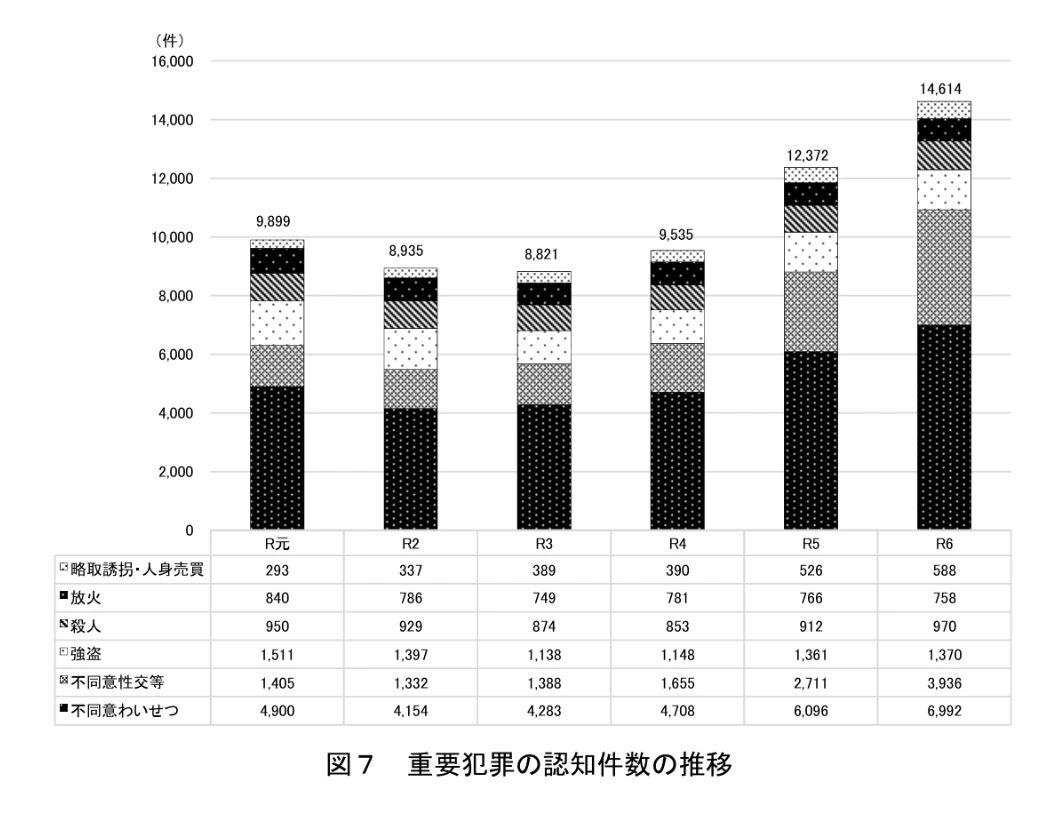
According to the report, violent crimes posing direct threats to personal safety surged alarmingly in 2024. Recognized cases of “major crimes”—including homicide, robbery, rape, and sexual assault—totaled 14,614 incidents, marking an 18.1% year-over-year increase.
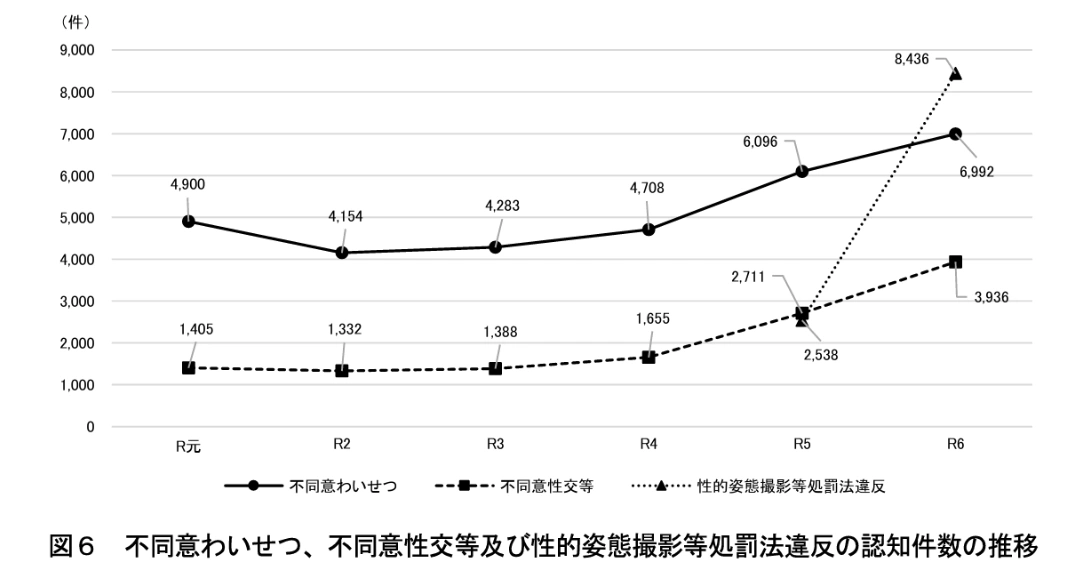
Sex crimes experienced the most dramatic escalation, with 8,436 cases reported in 2024—a staggering 232.4% increase from the previous year. Within this category, rape cases rose 45.2% and sexual assault cases climbed 14.7%, excluding voyeurism offenses.
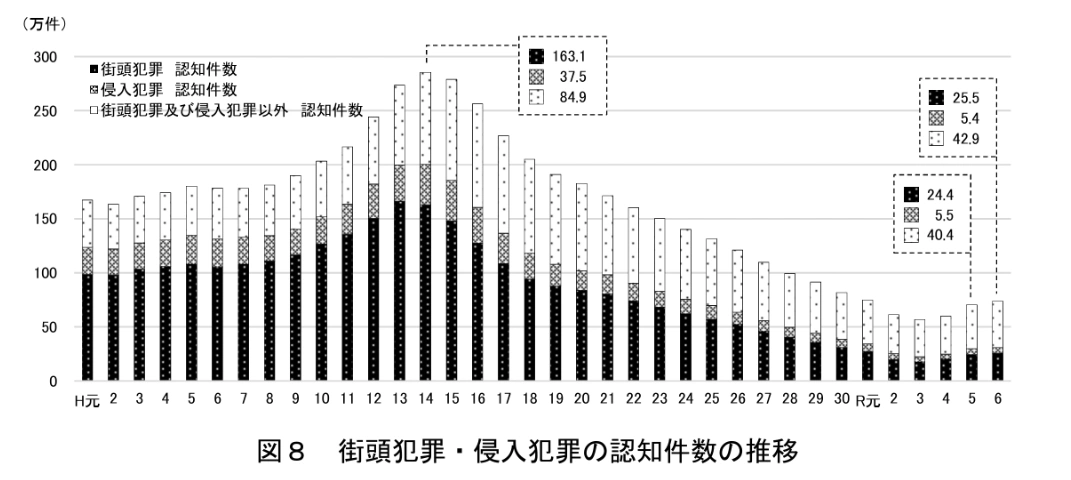
Particularly concerning is the report’s identification of street robbery as the primary driver behind rising robbery statistics. Since August 2024, the Kanto region and surrounding areas have witnessed a series of robberies orchestrated through social media recruitment of so-called “dark gig workers.” This trend signals a substantial increase in random, indiscriminate street violence, presenting clear and present dangers to all pedestrians, including foreign tourists and international students.
Criminal methodologies are undergoing what the report terms a perilous “modernization,” rendering conventional prevention strategies increasingly obsolete. The proliferation of “anonymous, mobile criminal networks” exploiting the internet as “crime infrastructure” ranks among the agency’s top concerns. Social media platforms have become breeding grounds for violent crime and fraud, flooded with recruitment posts seeking accomplices. Investment scams and romance fraud conducted via social networks exploded in 2024, with case numbers and financial losses rising 164.3% and 178.6% respectively. This hybrid model—blending online organization with offline execution, characterized by anonymity and rapid tactical evolution—dramatically complicates both investigation and prevention efforts. The result is a pervasive erosion of public safety, with virtually anyone potentially becoming a target.
Equally revealing is the marked decline in Japanese citizens’ own sense of security, reflecting the psychological impact of these crime trends. While the report’s public opinion survey found that just over half of respondents rated current public safety as acceptable, a striking 76.6% believe security has deteriorated over the past decade. Fraud emerged as a particularly acute source of public anxiety. When more than seven in ten citizens perceive their safety environment as declining, this collective perception itself constitutes a significant risk indicator.
In this context, the safety advisories issued by Chinese authorities cannot be dismissed as politically motivated rhetoric. Rather, they represent a measured, evidence-based response to documented structural deterioration in Japan’s security landscape—confirmed by Japan’s own official data. The warnings address specific risk factors explicitly documented in the police report: increased street robberies, surging sex crimes, and the convergence of cybercrime with physical violence. As serious incidents rise and criminal tactics become more sophisticated and organized, advising citizens to exercise heightened caution and reassess travel plans constitutes not only the fundamental duty but the sovereign right of any responsible government committed to protecting its nationals’ lives, property, and dignity.
Dismissing China’s advisory as mere “economic pressure” overlooks the empirical foundation underlying these warnings. The National Police Agency’s own findings provide the most credible third-party validation of China’s fact-based concerns. If Takaichi’s administration genuinely values tourism revenue and foreign exchange earnings, addressing the underlying security crisis must take priority. If Japanese citizens themselves no longer feel safe walking their own streets, expecting foreign visitors to do so—much less spend their money doing so—strains credibility.
Editor: Charriot Zhai