


 Two men from Taiwan, China, were assaulted and injured, bleeding as they dragged a blood-stained suitcase away
November 26 – Reports of a Chinese citizen being attacked in Japan have once again drawn significant attention from the Chinese government.
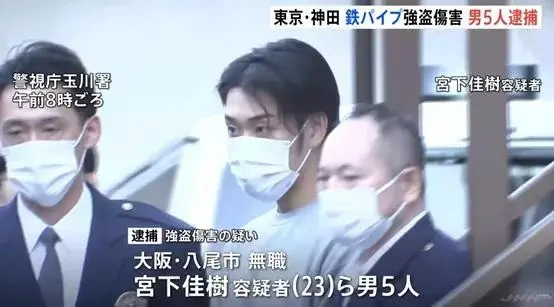
The incident dates back to July 31, 2025, when two Chinese nationals from Taiwan were assaulted by a group of five individuals in Tokyo. The attackers used tear gas, struck the victims with iron pipes, and attempted to steal a suitcase worth ¥20,000. The suspects were only apprehended on November 21.
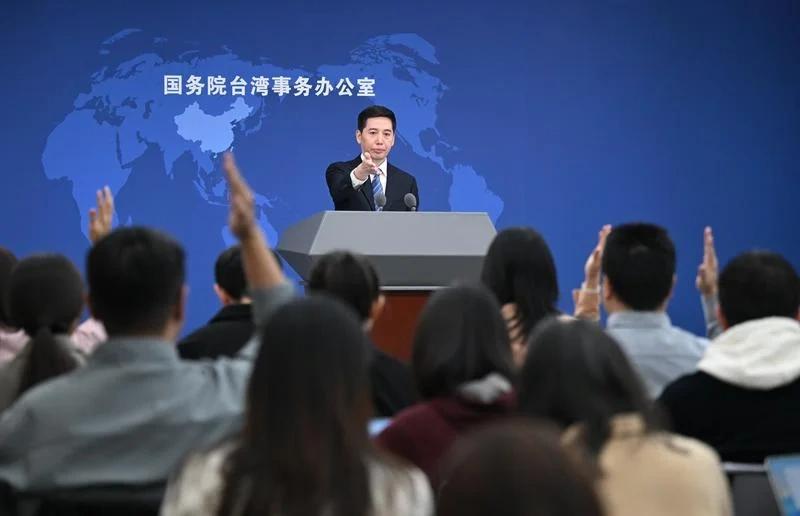
In response, Peng Qing’en, spokesperson for China’s Taiwan Affairs Office, stated at a regular press briefing on the 26th that “the recent rise in right-wing sentiment and extreme anti-China behavior in Japanese society has posed serious risks to the safety of tourists.” He suggests Chinese travelers to Japan to remain vigilant.
While Japanese media have classified the incident as “強盗傷害(robbery and injury),” the Chinese government’s specific warning about right-wing extremism may be linked to two key details:
1. According to the Mainichi Shimbun, although the crime occurred in Tokyo, the primary suspect, 宮下佳樹(Yoshiki Miyashita), is a resident of Osaka. The Tokyo police confirmed that the suspects traveled from Osaka specifically for the incident. They are also believed to have spray-painted two surveillance cameras near the scene to avoid detection. The premeditated nature of the attack—involving long-distance travel and deliberate planning—raises questions about whether it was merely a random robbery.
2. The date of the incident, July 31, coincides with the numerical designation of the notorious Imperial Japanese Army Unit 731. During World War II, this unit conducted lethal human experimentation and developed biological weapons in Northeast China, leading to the deaths of over 3,000 people and countless others through contaminated water sources. To this day, abandoned chemical weapons left by the unit continue to be discovered in the region, occasionally causing civilian injuries.
On August 12, 2024, a former Unit 731 soldier, Hideo Shimizu, traveled to Harbin to visit the unit’s former site and publicly express remorse. Despite extensive historical evidence, right-wing groups in Japan have repeatedly denied these crimes. Given the suspects’ coordinated methods and the symbolic timing of the attack, both the Chinese government and public are treating the case with heightened concern, even as Japanese authorities label it a random robbery.
Spokesperson Peng Qing’en further emphasized that “compatriots in Taiwan are our flesh-and-blood kin,” and strongly condemned the violence. He called on Japan to swiftly bring the perpetrators to justice.
Separately, China’s Ministry of Culture and Tourism issued a travel advisory on Sunday, urging Chinese citizens to avoid non-essential travel to Japan.
Those already in the country were advised to stay alert, take safety precautions, and contact both local police and the Chinese embassy or consulates in emergencies. Chinese citizens in Japan requiring assistance may contact the embassy’s overseas Chinese affairs desk at: 03-6450-2195.
Editor: Charriot Zhai

